



The Problem Is Decision Fatigue, Not a Lack of Clothes
The daily struggle to pick an outfit often has little to do with your options and everything to do with your brain. Psychologists call it 'decision fatigue'—the idea that our ability to make good choices deteriorates after a long session of decision-making.
Every choice, no matter how small, depletes your mental energy. When you open a cluttered closet, your brain is forced to scan, filter, and compare dozens or even hundreds of items, all before you’ve had your morning coffee. This cognitive overload leads to stress and makes you default to the same few 'safe' outfits, leaving the rest of your wardrobe untouched. The irony is that having more clothes often makes getting dressed harder, not easier.
The Unexpected Freedom of a Smaller Wardrobe
Culling your closet is about more than just tidiness; it's a form of self-care that brings surprising benefits. With fewer, better options, getting dressed becomes faster and less stressful. This streamlined process frees up mental energy for more important tasks throughout your day. A smaller wardrobe also forces you to define your personal style. Instead of chasing trends, you focus on high-quality, versatile pieces that you truly love and feel confident wearing. In the long run, this intentionality saves money by curbing impulse buys and reducing the need for frequent replacements. By only keeping items that make you feel good, you boost your self-esteem and create a more positive start to your day.
How to Begin: The Great Closet Edit
The thought of cutting your closet in half can be daunting, but a structured approach makes it manageable. Start by taking everything out and putting it in one place, like on your bed. This gives you a true visual inventory. Next, sort every item into four distinct piles: Keep, Donate/Sell, Repair, and Discard. For the 'Keep' pile, be honest. A popular method is to only keep items that 'spark joy' and that you've worn in the last year. If something doesn’t fit, doesn’t suit your current lifestyle, or holds negative memories, it’s time to let it go. Gently used items can be donated or sold. Items with minor damage go in the 'Repair' pile, but be realistic about whether you'll actually fix them. The rest can be discarded or upcycled into cleaning rags.
Building Your New, Intentional Wardrobe
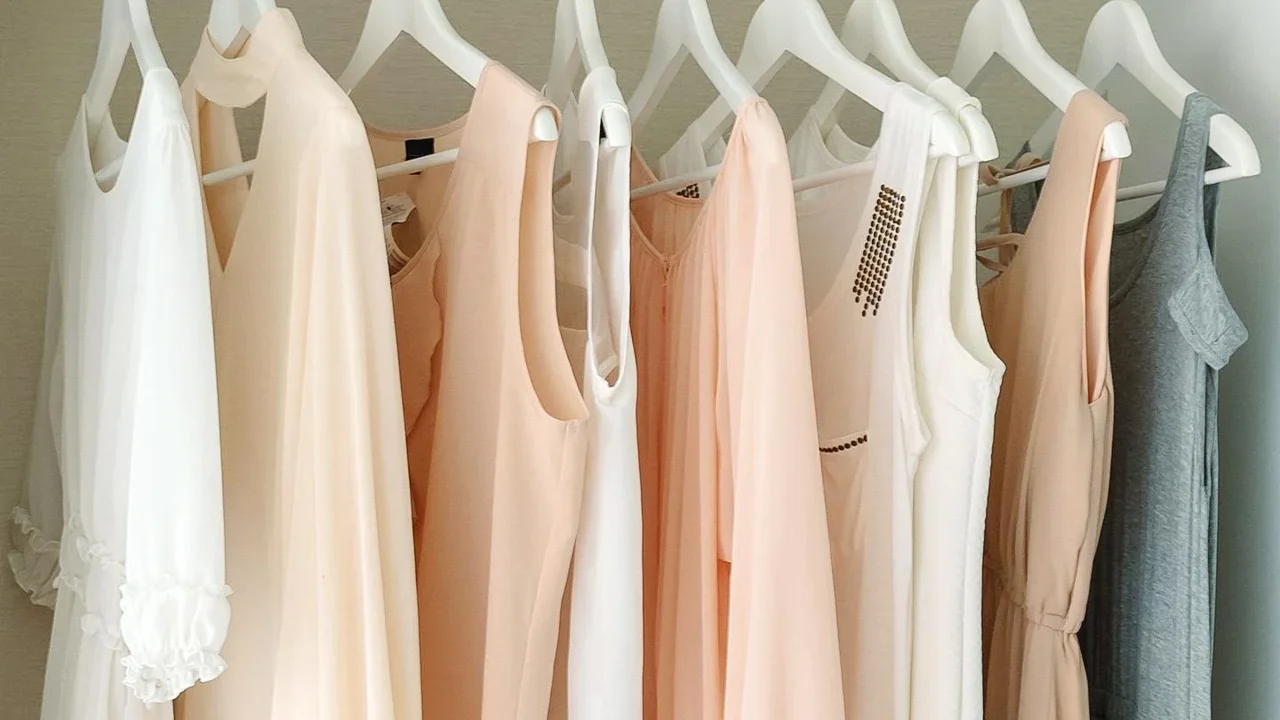
Once the purge is complete, the goal is to build a more functional, cohesive collection, often called a 'capsule wardrobe.' This doesn't mean a boring uniform. It’s a curated selection of around 30-40 versatile items per season that you love and that can be easily mixed and matched. Start with a foundation of basics in neutral colors like black, white, navy, or beige. Think classic jeans, simple t-shirts, a versatile blazer, and a button-down shirt. Then, add a few 'statement' pieces or accessories that reflect your personal style, like a patterned blouse or a favorite hat. The key is that almost every top should work with every bottom, maximizing your outfit combinations while minimizing clutter.