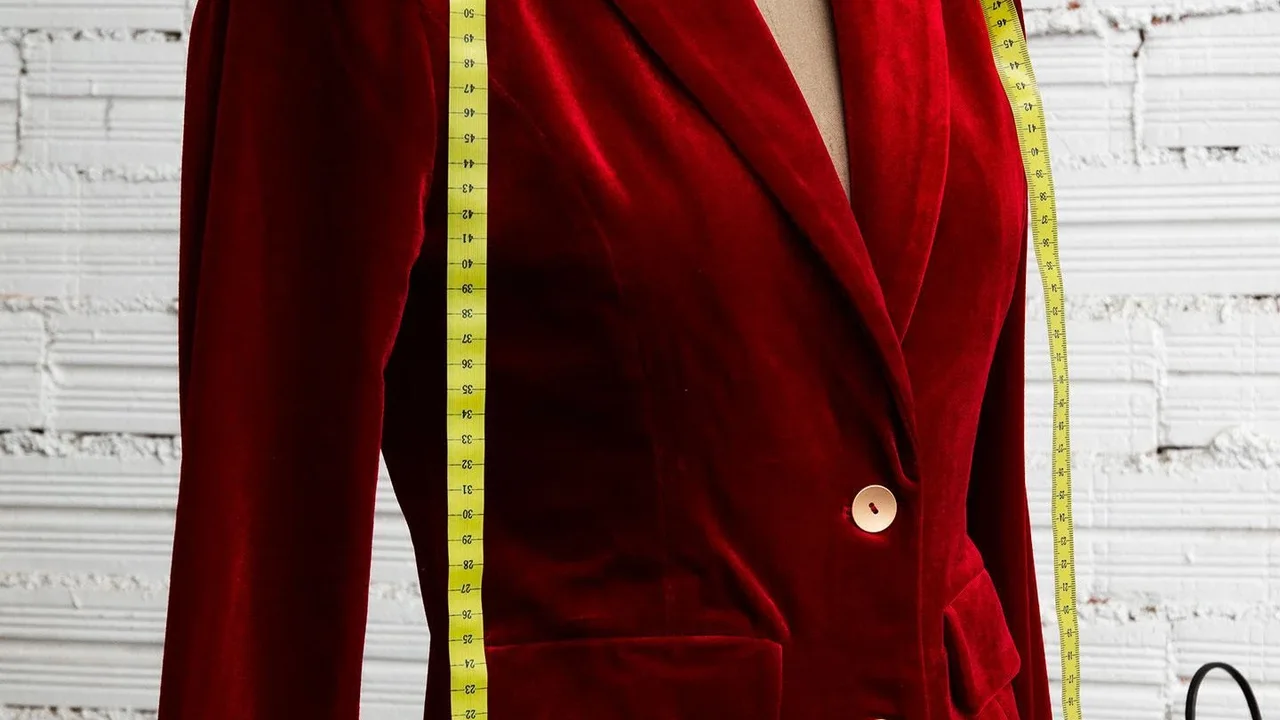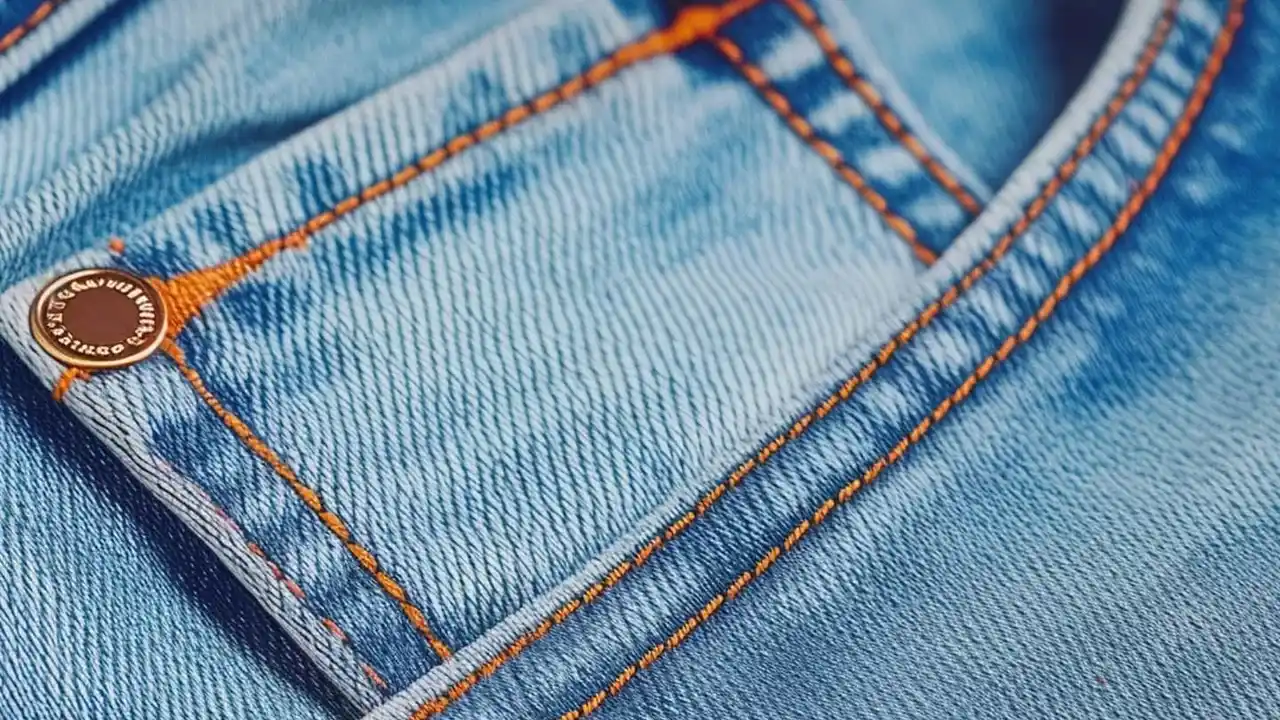

It’s one of clothing’s quiet frustrations: the pockets on your favorite jacket or trousers start to sag, gape, or stretch out of shape. It’s not just you. There’s a hidden reason for this, rooted in the very structure of the fabric.
The Unseen Architecture of Fabric
Every piece of woven
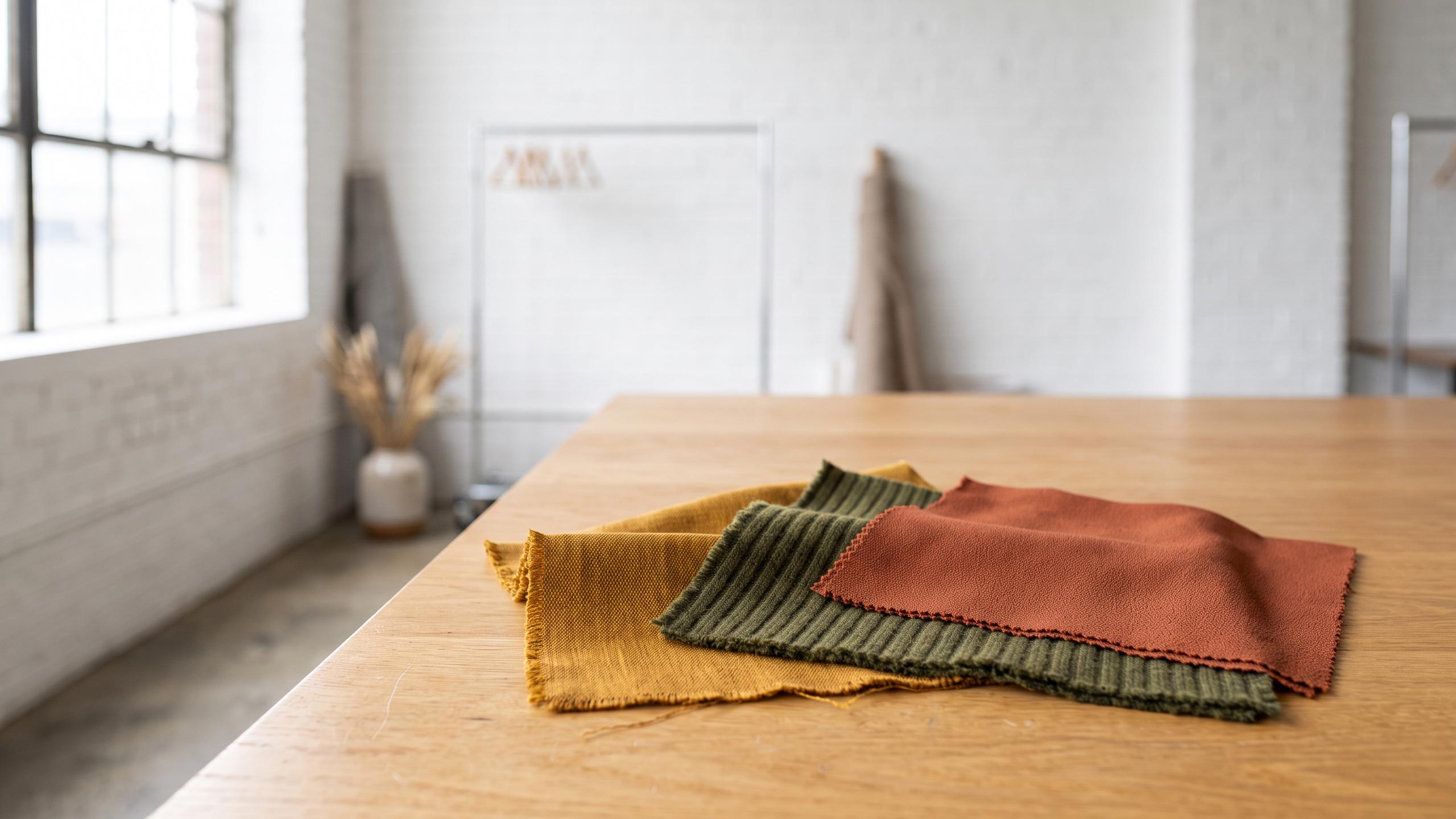
fabric, from denim to linen, has an internal grid made of threads running in two directions. Think of it like a tiny, tight basket weave. The threads running lengthwise down the fabric roll are called the 'warp'. The threads running crosswise, from edge to edge, are called the 'weft'. Together, these form the fabric's 'grain'. The 'straight grain' runs parallel to the warp threads, and the 'cross grain' runs parallel to the weft threads. This structure isn't just a technical detail for textile makers; it's the single most important factor determining how a piece of fabric will behave—whether it hangs straight, drapes softly, or stretches out of shape.
Why Direction Determines Stretch
Not all grain directions are created equal. Because warp threads are held under tight tension during weaving, the straight grain (lengthwise) is the strongest and most stable direction of the fabric. It has almost no give. The cross grain (weft) has a little more flexibility because the threads aren't held as taut. But the real magic—and potential for trouble—happens on the 'bias'. The bias isn't a thread direction but rather the 45-degree angle between the warp and weft. Fabric cut on the bias has the most stretch and drape, which is why slinky slip dresses are cut this way to cling to the body’s curves. A garment cut on the stable straight grain will hold its form, while a garment cut on the bias is designed to stretch and flow.
Pocket Anatomy: Where It All Goes Wrong
So, what does this have to do with your saggy pockets? Everything. A pocket is a high-stress area. We put our hands in them, and we load them with keys, wallets, and phones. For a pocket to withstand this use and keep its shape, it needs to be cut from the most stable part of the fabric. In well-made clothing, pockets are cut on the 'straight grain', with the strong, non-stretchy warp threads running vertically. This provides structural integrity. Cheaper or faster manufacturing sometimes cuts corners by placing pattern pieces wherever they fit best to save fabric, without regard for grain. If a pocket is cut on the stretchy bias, it’s destined to fail. Every time you put weight in it, the diagonal grain will stretch and warp, eventually leaving you with a droopy, misshapen pocket bag that no amount of ironing can fix.
How to Be a Smarter Shopper
You can use this knowledge to spot quality before you buy. It’s tricky with internal pockets, but for patch pockets (like on the back of jeans or on a chore coat), you can often see the fabric’s weave. Look closely at the threads. Do they run straight up and down and side to side, aligned with the pocket’s rectangular shape? That’s a good sign. If the weave looks diagonal to the pocket’s edges, it’s cut on the bias. While sometimes a stylistic choice, for a functional pocket, it's a red flag for future sagging. For internal slash pockets on trousers, pull the pocket bag out as much as you can. Perform a gentle 'tug test': pull the fabric vertically and then horizontally. The direction with the least give is the straight grain. Ideally, this stable direction should run up and down the length of the pocket to prevent it from stretching downward over time.