
The End of the Style Uniform
For decades, youth culture was defined by distinct subcultures. Being a 'punk' in the 80s or 'emo' in the 2000s wasn't just about clothes; it was a lifestyle package. It came with specific music, a shared attitude, and often, a political stance. The fashion
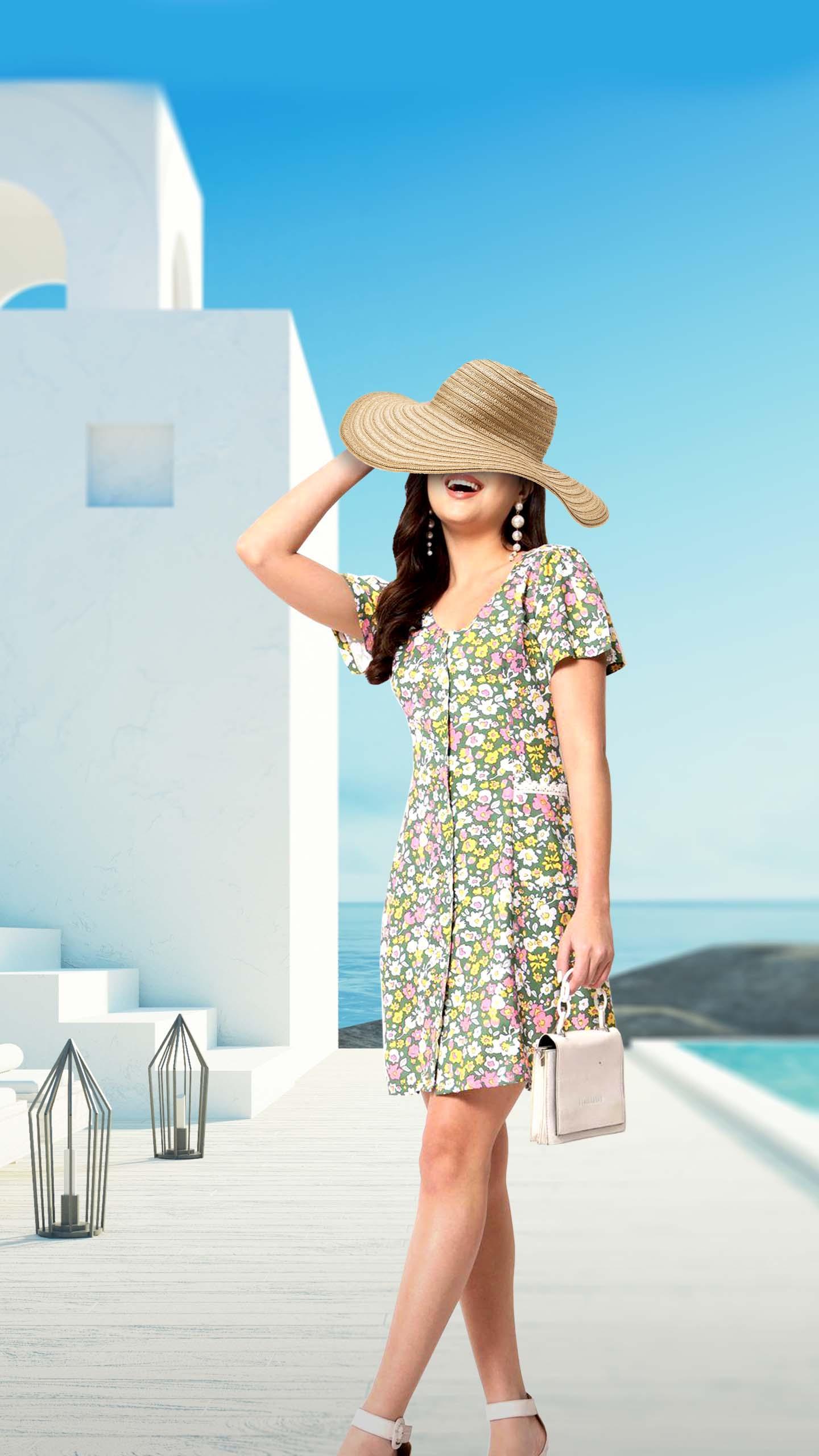
was a uniform that signaled your allegiance. A leather jacket, ripped jeans, and combat boots told the world who you were and who your people were. That kind of rigid style identity has largely dissolved. Today, it’s far more common to see someone pair Doc Martens, once a staple of nonconformist movements, with a preppy sweater or a dress inspired by the 'cottagecore' trend. The clear-cut lines that once separated these groups have blurred into a vast, open landscape of personal expression.
The Algorithmic Stylist
So, what dismantled the tribes? In a word: the internet. Specifically, the rise of algorithm-driven platforms like TikTok, Pinterest, and Instagram has fundamentally changed how we discover and adopt style. Instead of being exposed to a single subculture through friends or local music scenes, we are now served an infinite, personalized scroll of disparate visual ideas. This has led to the explosion of 'aesthetics'—highly specific, visually-driven microtrends that can be tried on and discarded like a filter. Think of 'dark academia,' 'coastal grandmother,' or 'Y2K.' These are not deep-seated identities but fleeting visual moods. The algorithm has become our collective stylist, encouraging us to sample everything rather than commit to one thing. The trend cycle, which once lasted seasons, now lasts weeks.
From Identity to 'Aesthetic'
The key shift is the move from subculture as an identity to style as an aesthetic. Subcultures were born from shared experiences, ideologies, and often, resistance to the mainstream. An aesthetic, by contrast, is primarily about appearance. It's a visual mood board come to life, stripped of the cultural or political context that defined older movements. You can embrace the 'cottagecore' aesthetic by wearing a flowy dress without any actual desire to bake bread or live in the countryside. This detachment makes style more playful and less about belonging to a specific group. It's an expression of individual taste in a particular moment, not a lifelong commitment to a scene. This allows for incredible creativity but can also feel superficial compared to the community-based subcultures of the past.
Your Personal Brand is a Remix
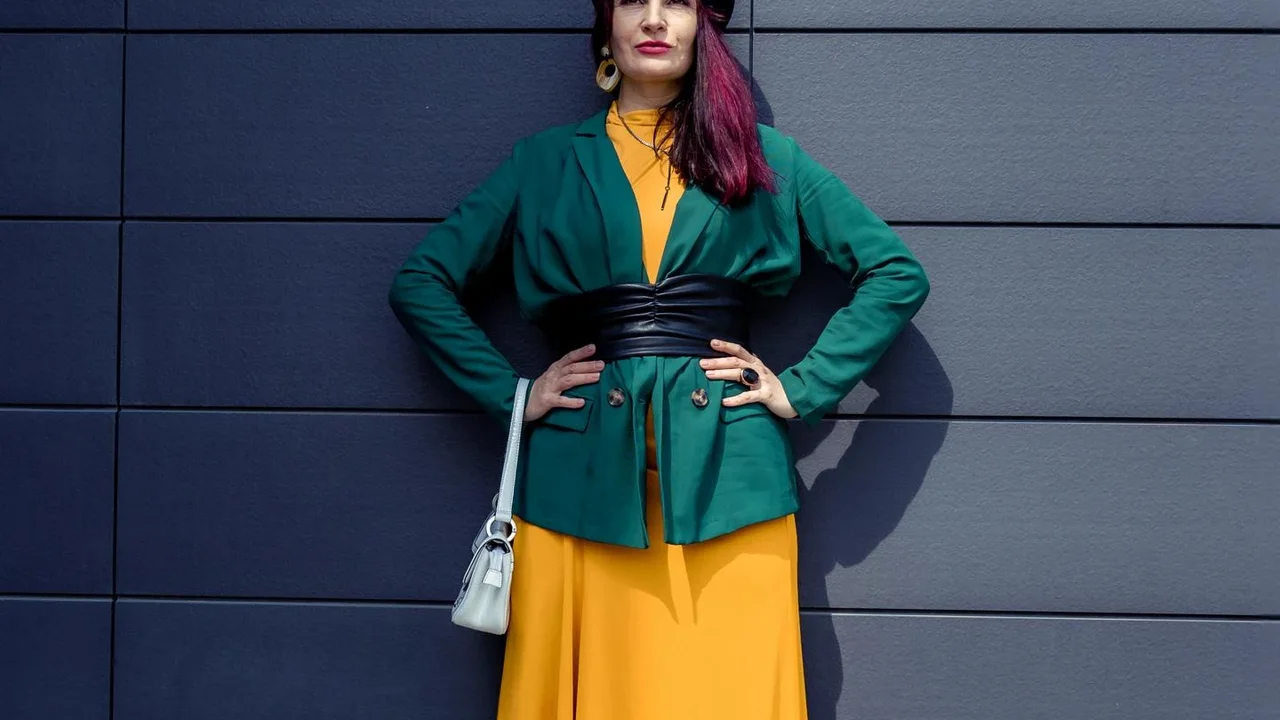
In this new landscape, getting dressed is less about fitting in and more about personal curation. Style has become an act of remixing. An individual might pull inspiration from 70s rock, modern streetwear, and a TikTok 'core' trend all in the same outfit. This approach treats fashion as a language for self-expression, where the goal is to create something unique that reflects a complex, multifaceted personality. We are no longer just one thing, and our closets reflect that. This freedom is liberating, allowing for endless experimentation. However, it also places the burden of creating a coherent 'personal brand' squarely on the individual, which can be its own form of pressure in a hyper-visual world.