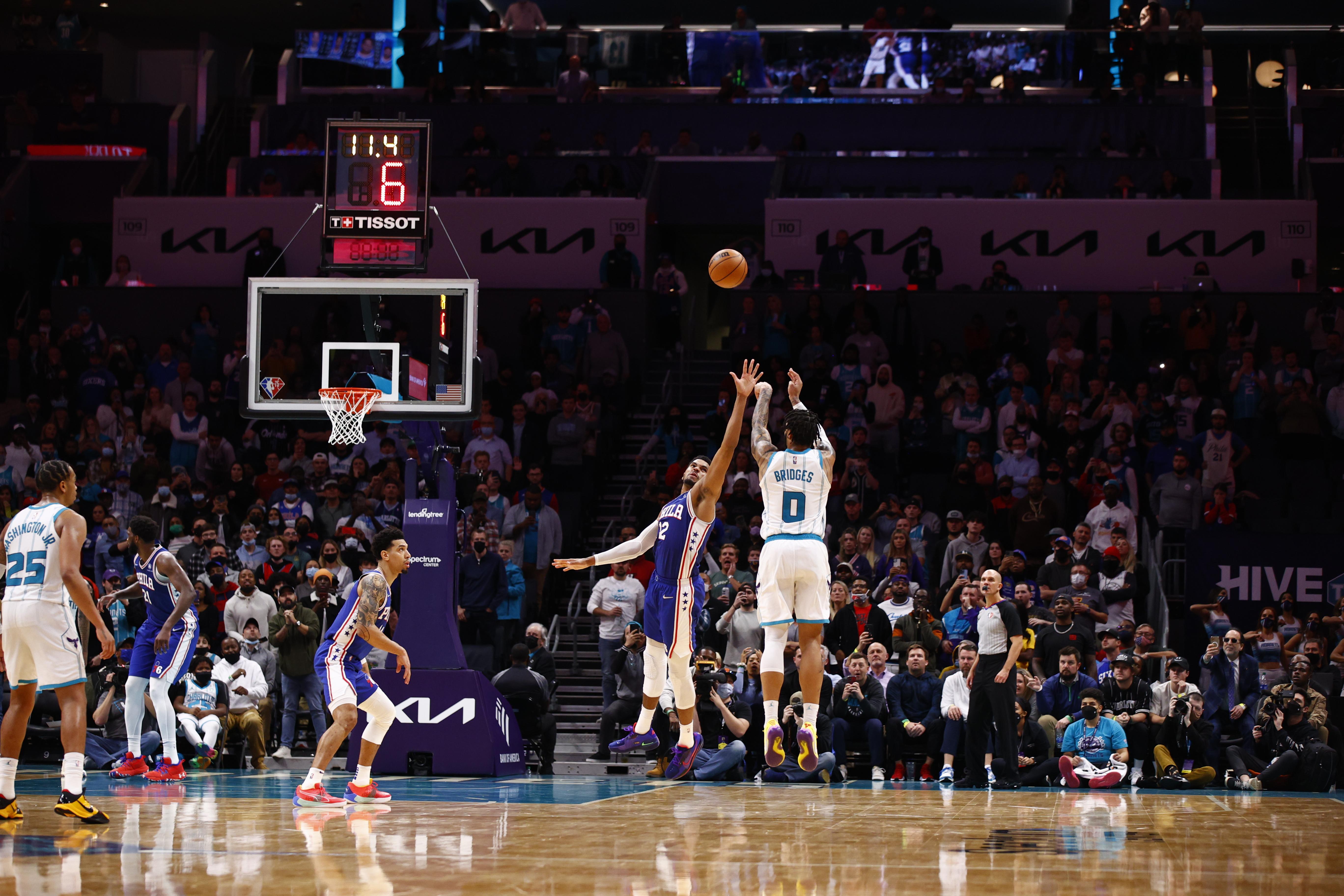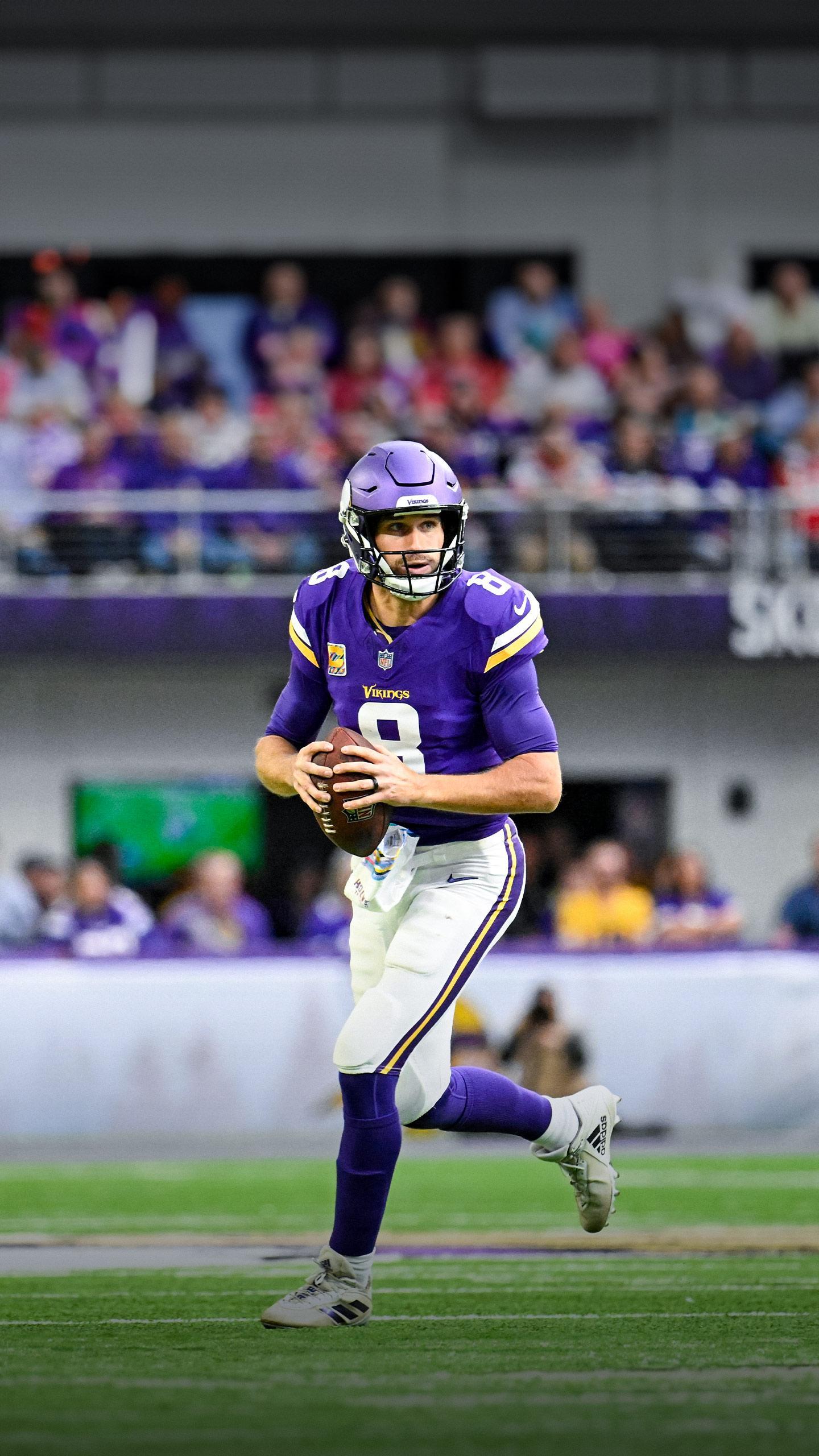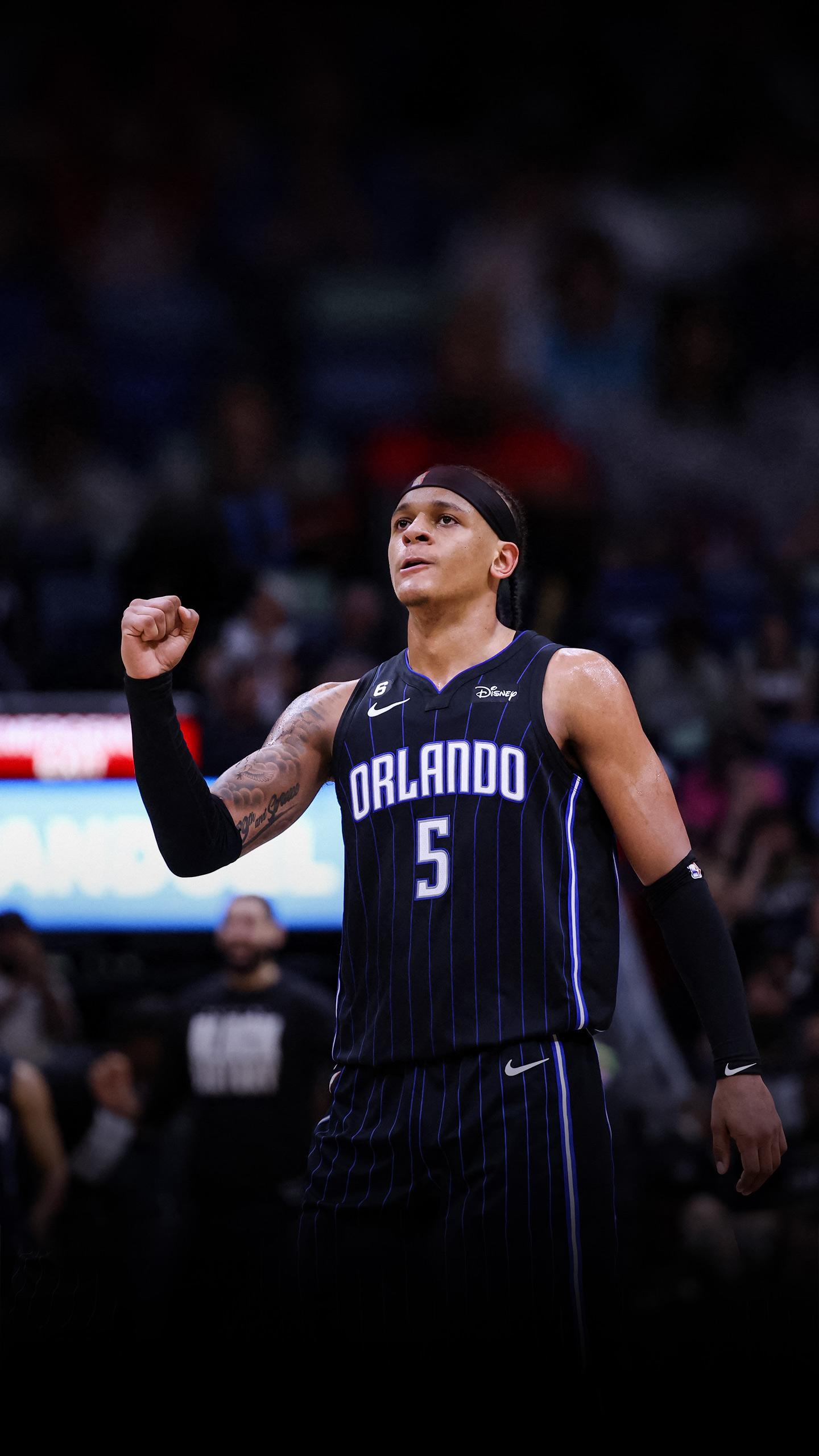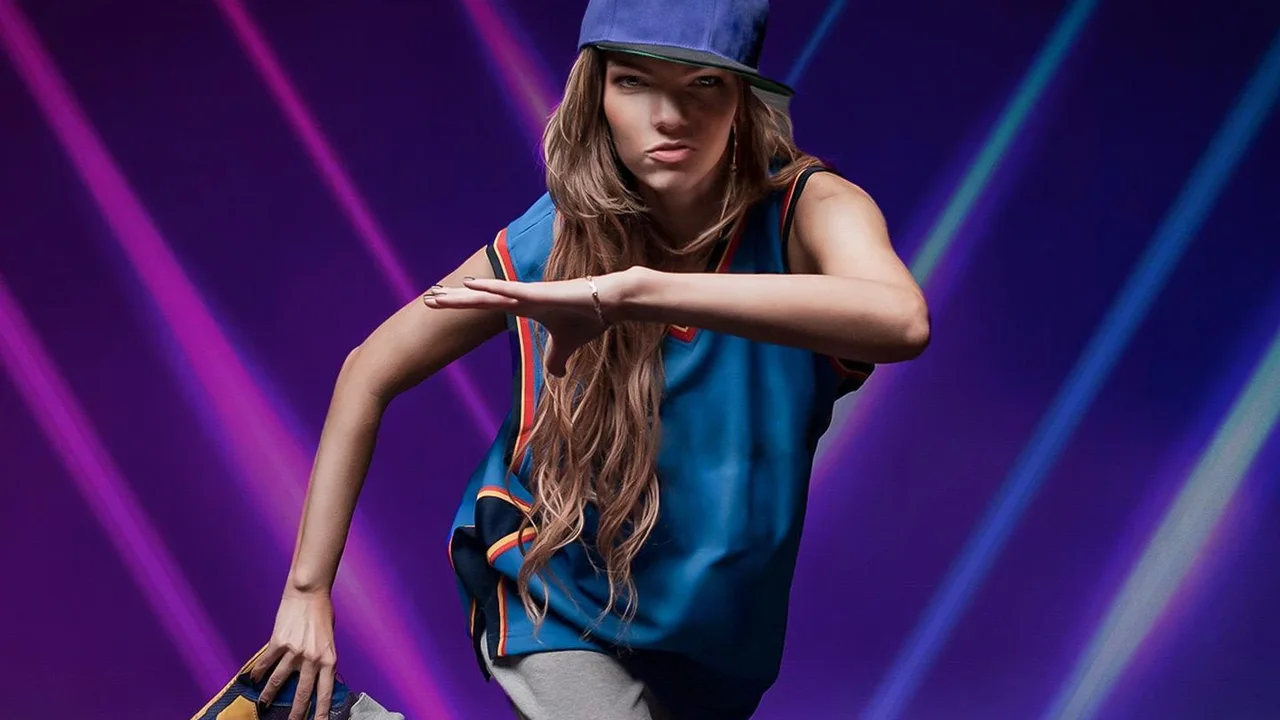


Picture the 1990s: music videos on MTV, baggy jeans, and an explosion of sportswear as daily attire. At the center of it all was the oversized football jersey, a garment that migrated from the gridiron to become a staple of 90s hip-hop culture.
From Sportswear to Streetwear
Before
rappers made them famous, sports jerseys were simply fan apparel. But in the late 1980s and early 90s, brands like Starter began to change the game. By securing official licensing deals with major sports leagues like the NFL, NBA, and MLB, Starter turned team apparel into a fashion-forward enterprise. Their satin jackets and bold, colorful jerseys weren't just for the stadium; they were designed to be seen. This shift laid the groundwork for sportswear to become a dominant force in mainstream fashion, moving from the sidelines to the closets of everyday Americans. The oversized fit, a hallmark of the era's style, blended perfectly with the emerging streetwear aesthetic, creating a relaxed but confident look.
The Icons Who Made It Cool
A trend doesn't explode without the right cosign, and in the 90s, hip-hop artists were the ultimate arbiters of cool. Rappers like Tupac Shakur, Snoop Dogg, and members of N.W.A. were frequently photographed and filmed wearing jerseys. Tupac famously wore a Detroit Red Wings hockey jersey outside a courthouse, a moment that became an iconic image of defiance. Snoop Dogg’s 1994 music video for 'Gin and Juice' featured him in both a Pittsburgh Penguins and a Springfield Indians hockey jersey, instantly making those items sought-after pieces. On television, Will Smith consistently rocked sports gear on 'The Fresh Prince of Bel-Air'. These endorsements weren't part of a marketing plan; they were an authentic reflection of a style that merged music, sports, and street culture.
A Symbol of Pride and Place
Wearing a jersey in the 90s was about more than just fashion; it was a statement of identity. For many, it was a way to represent their city or neighborhood with pride. The Los Angeles Raiders jacket, for example, became synonymous with West Coast rap thanks to groups like N.W.A. It was a visual shoutout to your home turf. But the choice of jersey wasn't always about local loyalty; sometimes, it was purely about aesthetics. The bold colors and graphics were perfect for the larger-than-life visuals of music videos and album covers. The accessibility of jerseys also meant that fans could easily adopt the same look as their favorite artists, creating a powerful connection between the stars and their audience.
The Trend Goes Mainstream
By the mid_1990s, the oversized jersey was no longer confined to hip_hop circles. It had become a full_blown cultural phenomenon, worn by people from all walks of life. Brands like Starter, Champion, and later Mitchell & Ness, which specialized in throwback jerseys, saw their sales skyrocket. Even hip_hop_centric clothing lines like FUBU created their own signature jerseys, solidifying the item as a cornerstone of the culture. The look became so desirable that certain jerseys were considered status symbols, sometimes leading to theft and school bans. This mainstream saturation marked the peak of the trend, cementing the oversized jersey as one of the most memorable and influential fashion statements of the entire decade.