


It’s one of the oldest tricks in the stylist’s handbook, yet it remains one of the most effective. Creating a seamless flow of color from your pants down to your shoes is a subtle move with a major visual payoff that anyone can master.
First, What Is 'Visual Weight'?
Before diving into
the technique, it’s helpful to understand the concept of 'visual weight'. In fashion, visual weight refers to how much an item or element of an outfit draws the eye. A chunky, brightly colored sneaker has high visual weight; it commands attention and pulls focus downward. A sleek, neutral loafer has low visual weight. This principle is about managing where the eye goes. A sharp horizontal line, like the one created by a shoe in a color that contrasts with your pants, acts as a visual 'stop sign'. This break in the line gives the footwear its own distinct, and often heavy, presence.
Creating a Seamless Column of Color
The magic of matching your shoe to your trouser is that it effectively erases that stop sign. When the color continues uninterrupted from the hem of the pant to the tip of the shoe, it creates a single, unbroken vertical line. Stylists call this creating a 'column of color'. Instead of seeing 'pants' and then 'shoes', the brain perceives one long, continuous shape. This optical illusion makes the legs appear longer and leaner. The shoe’s individual visual weight is reduced because it's no longer a standalone element; it becomes the finishing point of the entire leg line, blending in seamlessly.
Putting It Into Practice
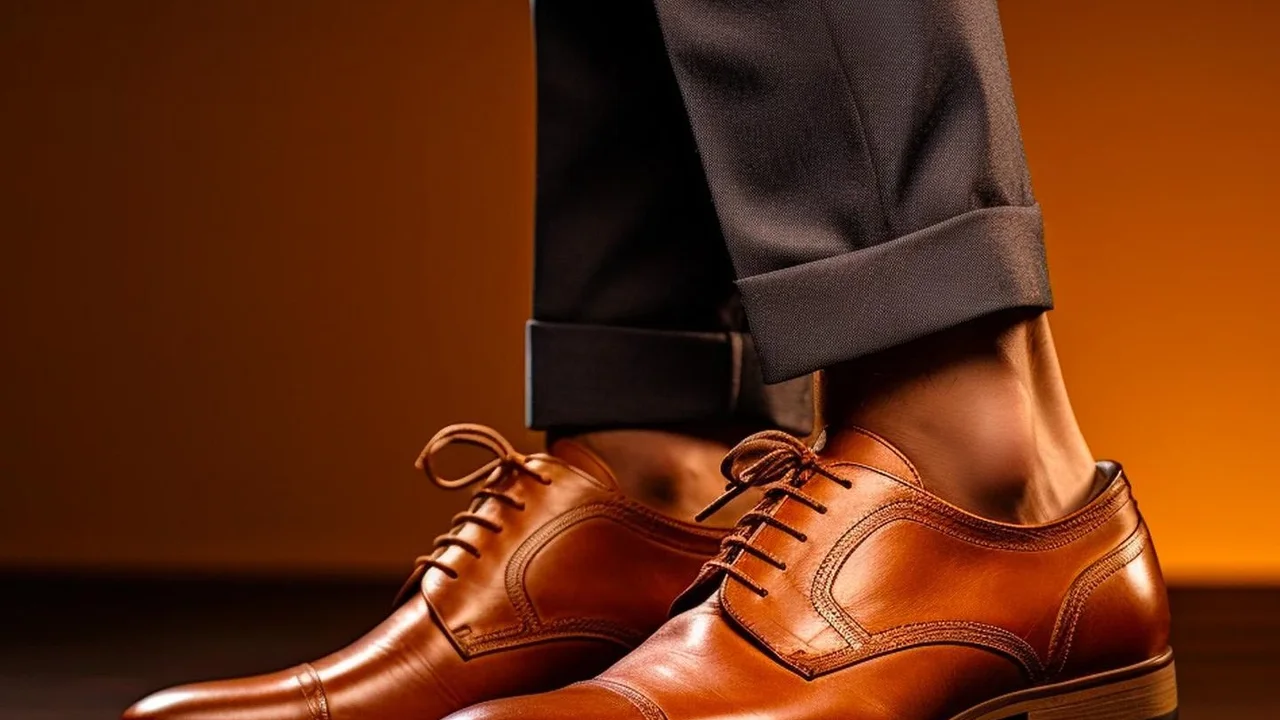
Executing this is straightforward. The goal is to match the color family and value (the lightness or darkness) as closely as possible. Perfect matches aren't necessary, but the closer you get, the stronger the effect. Think black trousers with black boots, navy chinos with navy loafers, or charcoal grey pants with dark grey dress shoes. Even dark wash jeans paired with dark brown or black footwear can achieve this elongating effect. Don't forget the connecting piece: your socks. For the most effective column, match your socks to your trousers, not your shoes, to ensure the line remains unbroken from waist to ankle.
The Benefits Beyond Just Height
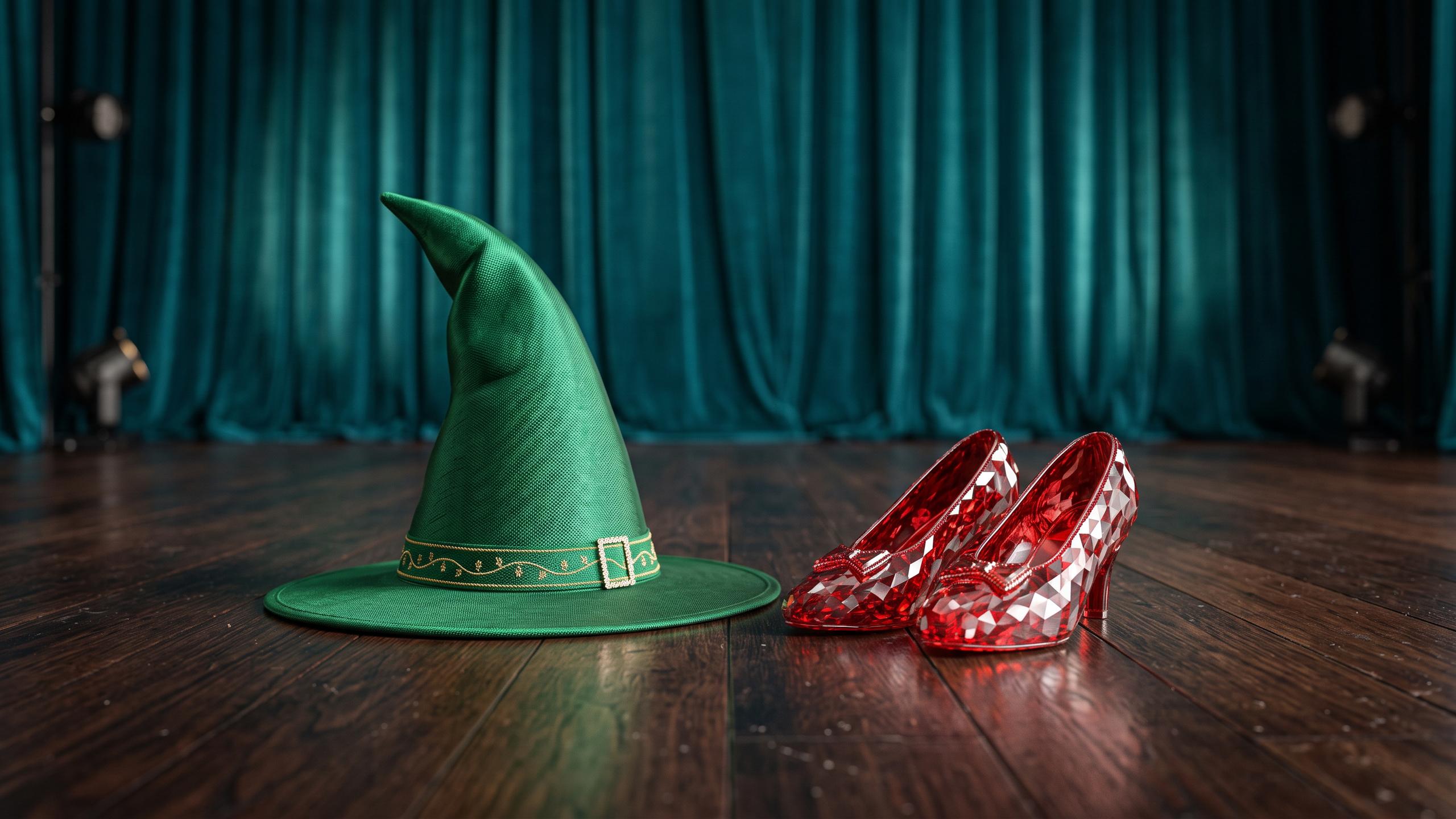
While making you appear taller is the most-cited benefit, this technique does more. It creates an overall impression of being polished and intentional. An outfit with a continuous color column looks considered and harmonious. It simplifies the process of getting dressed by providing a reliable formula for looking put-together. This trick can also be used to make a bolder footwear choice—like a patent leather boot or an embellished heel—feel less jarring. By anchoring the shoe to the pant color, the eye isn't as shocked by the texture or detail, allowing you to wear more adventurous styles with confidence.
When You Should Break the Rule
This is a styling tool, not an unbreakable law. In fact, sometimes you want your shoes to have a high visual weight. A contrasting shoe color can be a powerful choice when you want to make your footwear the focal point of your outfit. Think crisp white sneakers with dark jeans or a vibrant_colored heel with a neutral dress. This intentionally breaks the line to draw the eye downward and show off a statement shoe. The key is to be deliberate. Using contrast signals confidence and an understanding of style, while a continuous color column signals polish and elegance. Both are valid choices, depending on the look you want to achieve.