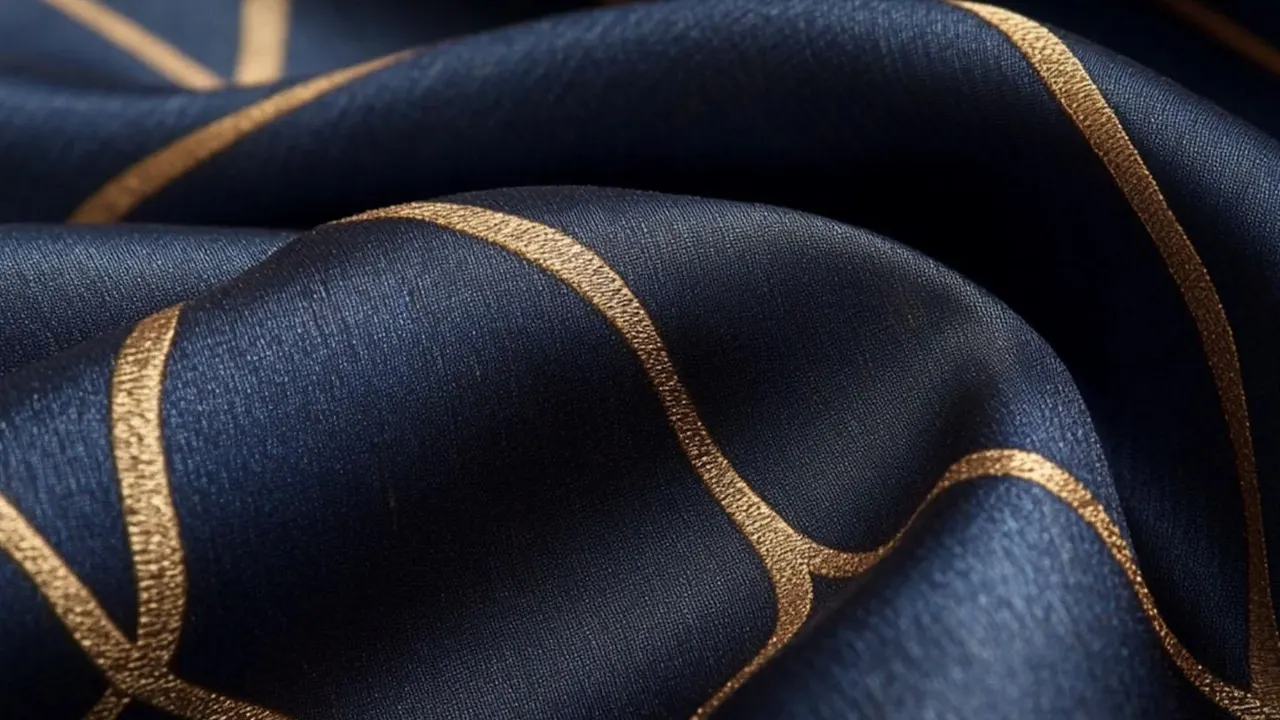


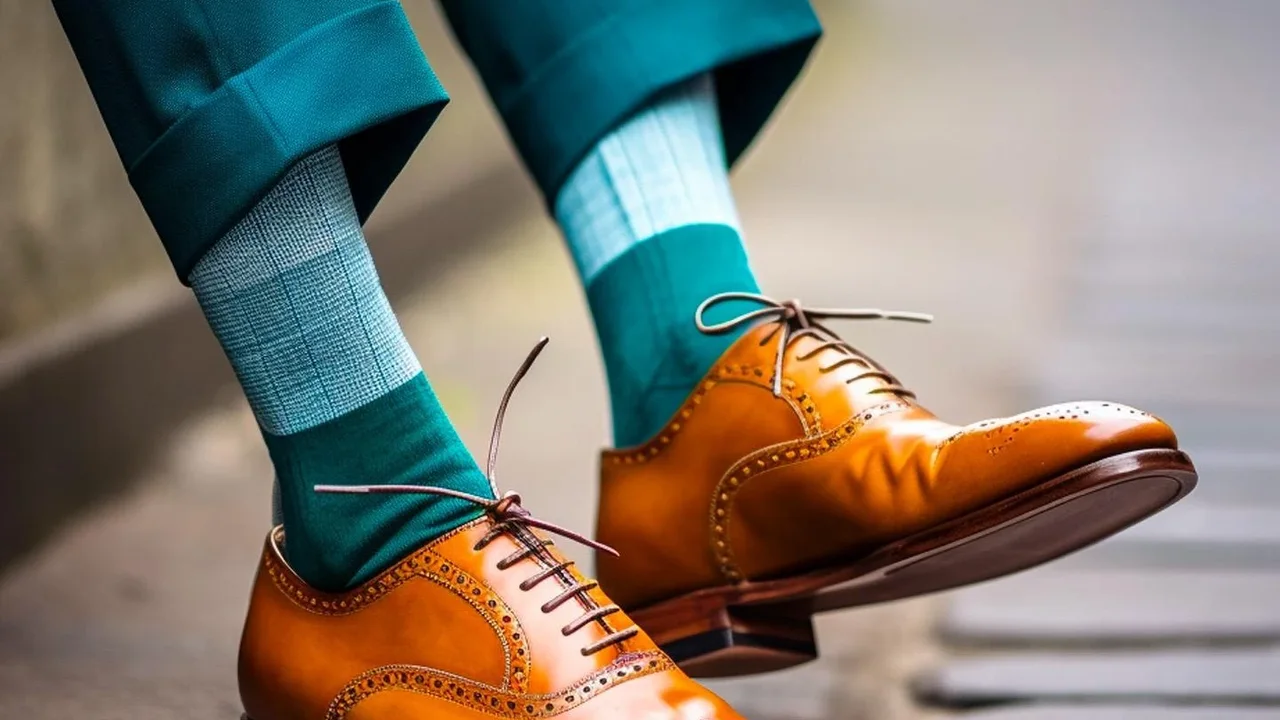

Ever wonder why the same dress can look totally different in two fabrics? A key reason is sheen. The way a material plays with light is a powerful styling tool that can make a silhouette seem either more prominent or more streamlined.
The Basic Physics of Shine
It all comes down
to a simple principle of light. Shiny fabrics—like satin, silk, or metallics—have smooth surfaces that act like mirrors. They reflect light directly back at the viewer, creating bright highlights. These highlights advance visually, drawing the eye and making the surface they cover appear more prominent and rounded. Conversely, matte fabrics such as cotton, wool, linen, and denim have more textured, irregular surfaces. They scatter light in many directions instead of reflecting it straight back, a process known as diffuse reflection. By absorbing more light, they create softer shadows and a flatter, less defined surface that tends to recede, making a shape look smaller or slimmer.
The Expansion Effect of Shiny Fabrics
In fashion, this 'expansion effect' is why high-shine materials are often considered bold and attention-grabbing. A sequin dress, a satin blouse, or a pair of patent leather pants will inevitably catch the light and highlight every curve and contour they cover. This isn't necessarily a bad thing; it's a tool. If you want to draw attention to a particular area, a shiny fabric is an excellent way to do it. For instance, a person with a pear-shaped figure might wear a metallic top to add perceived volume to their upper body, creating a more balanced silhouette when paired with dark, matte pants. The key is to be aware that shine amplifies, so you should place it where you want the focus to be.
The Slimming Power of Matte Finishes
Matte fabrics are the quiet workhorses of a flattering wardrobe. Because they absorb light and create fewer distracting highlights, they offer a smoothing, forgiving effect. Materials like ponte knit, crepe, and most denims tend to create a more streamlined and continuous line, which can be visually elongating. This is why stylists often recommend dark, matte fabrics for areas you wish to de-emphasize. A pair of black matte trousers will almost always look more slimming than an identical pair in a sateen finish. This light-absorbing quality helps minimize the appearance of lumps and bumps, providing a sleeker silhouette without requiring heavy shapewear.
How to Use Sheen Strategically
Understanding this principle unlocks a new level of styling. Instead of declaring shiny fabrics 'bad' and matte ones 'good', you can use them to sculpt your look. The most effective outfits often mix textures. Try pairing a single shiny piece with a predominantly matte ensemble to create a sophisticated focal point. For example, a matte black dress paired with glossy heels, a metallic belt, or a silk scarf introduces visual interest without overwhelming your frame. This high-low mix of textures looks intentional and modern. You can use sheen to highlight your favorite assets—a satin camisole to draw the eye upward, or a shimmering skirt to emphasize your legs—while using matte pieces to ground the rest of the look.
Beyond Fabric: Texture and Drape
Sheen is just one part of the equation; fabric texture and drape also play a significant role. A very stiff, shiny fabric like taffeta will add more visual bulk than a fluid, draping silk charmeuse, even if they have a similar level of shine. Stiff fabrics hold their own shape, which can hide your figure but also add volume. In contrast, fluid fabrics that skim the body without clinging can be very flattering. Furthermore, some fabrics like velvet have a unique pile that both catches light and creates deep shadows, giving it a complex character that doesn't strictly expand or contract the silhouette. Ultimately, the interplay of a fabric's light-reflective quality, its weight, and how it falls will determine its final effect on your shape.