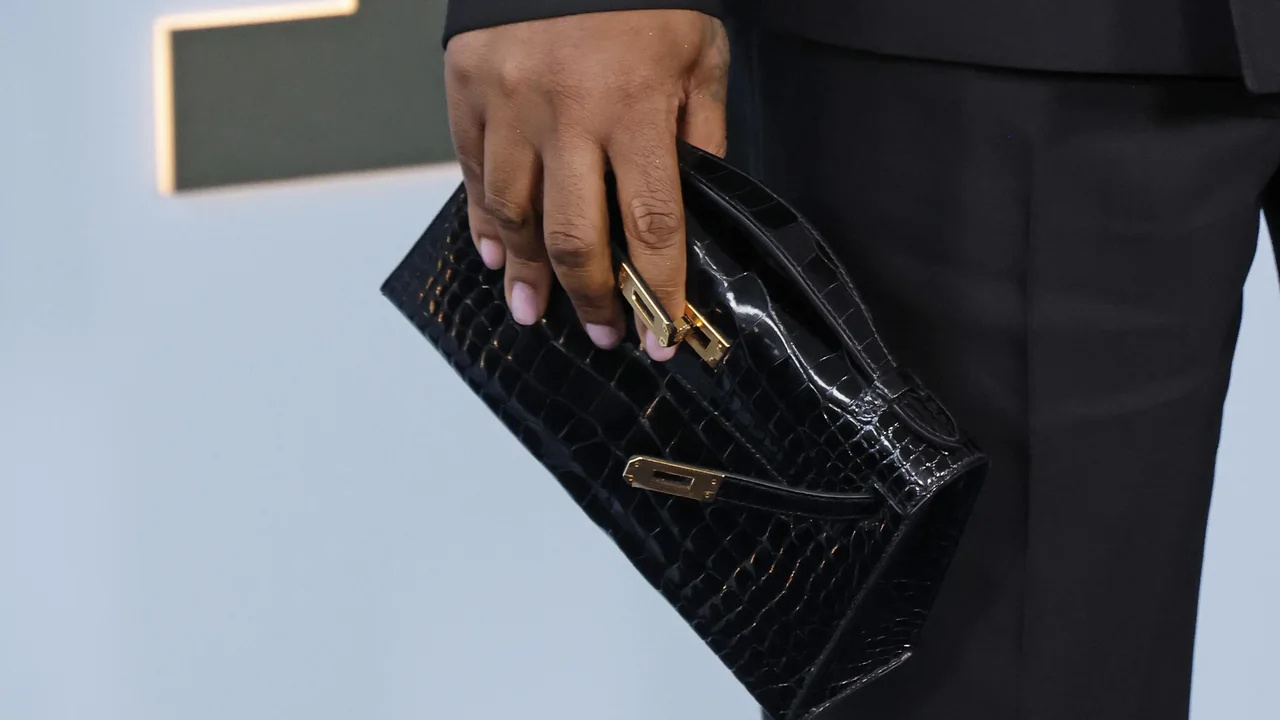

You’ve seen it a thousand times: a star glides down the red carpet in a breathtaking gown, holding a handbag so small it seems almost comical. What’s in there, a single breath mint? But this tiny accessory is doing some serious stylistic heavy lifting.
The Power of Not Competing
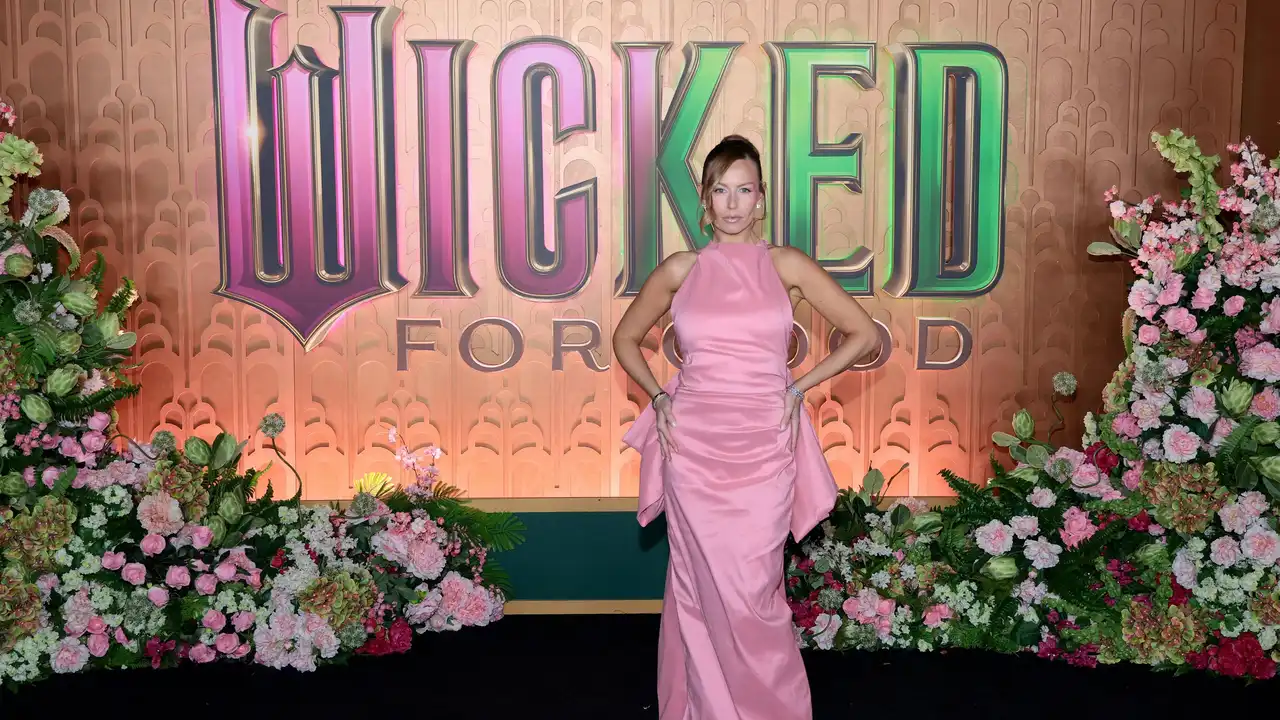
The first and most important job of a tiny bag is to let the main outfit shine. On the red carpet, the gown is the hero. A large, bulky bag would compete for attention, visually cluttering the silhouette and distracting from the dress's cut, fabric, and artistry. A miniature clutch or minaudière, however, acts as a subtle punctuation mark. Fashion stylists often talk about balance; a small bag provides a focal point without adding visual weight. It creates a contrast that makes the overall look feel more intentional and polished, ensuring the dress—and the person wearing it—remains the undisputed main event. This play on proportion is a classic styling trick: a small accessory can make a flowing gown seem even more grand and ethereal by comparison.
The Ultimate Status Symbol: Impracticality
A tiny bag telegraphs a very specific message: 'I have people for that.' Its striking lack of utility is, paradoxically, its greatest asset in a formal setting. When you carry a purse that can hold little more than a lipstick and a credit card, you are signaling a life of convenience. You don't need to schlep around your phone, keys, wallet, or a portable charger because you have a driver waiting, an assistant nearby, and an entire team managing the logistics of your evening. This isn't a new concept. Historically, small, decorative purses were carried by wealthy women who weren't burdened with daily necessities. The modern red-carpet clutch continues this tradition, serving as a subtle but clear indicator of status. It’s an accessory for people who don’t need to be prepared for anything, because everything is already prepared for them.
More Jewel Than Handbag
Many of the tiniest red-carpet bags aren't really bags at all; they are better understood as handheld jewelry. These ornamental cases, known as minaudières, were popularized by luxury jewelers like Van Cleef & Arpels in the 1930s. They were inspired by a socialite who used a simple tin cigarette case to carry her essentials. Jewelers saw an opportunity and created intricate, hard-sided cases crafted from precious metals and encrusted with gems. Today, designers like Judith Leiber have turned the minaudière into an art form, with clutches shaped like everything from stacks of cash to slices of cake. These pieces are not chosen for their storage capacity but for their ability to add sparkle, texture, and personality to a look. A crystal-covered clutch isn't just holding your lipstick; it's serving the same function as a diamond bracelet or chandelier earrings.
An Exercise in Editing
In a world where we are encouraged to carry our entire lives in oversized totes, opting for a tiny bag is a deliberate act of minimalism. It forces a wearer to be selective and intentional, carrying only the absolute essentials for a few hours. This sense of restraint reads as elegance and confidence. It suggests a person who is present in the moment and unburdened by the 'just-in-case' clutter that fills most everyday purses. For a formal event, where the goal is to appear polished and effortlessly chic, this minimalist approach is key. The bag's limitations become a strength, contributing to a look that feels curated, considered, and impeccably put together. It’s a quiet statement that less is, indeed, more.