



The Invisible Option: No-Show Socks
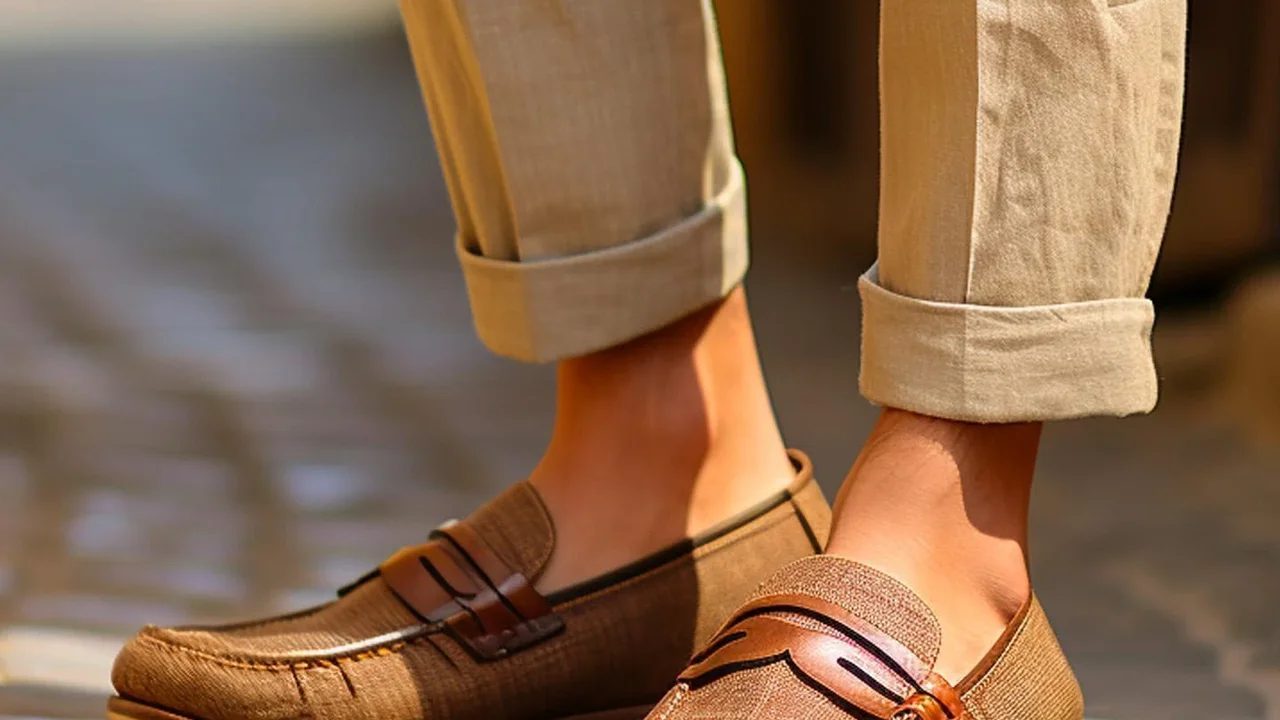
The simplest solution is the one no one sees. No-show socks give you the comfort of a sock—absorbing moisture and preventing friction—while preserving the bare-ankle aesthetic. The trick is finding a pair that actually stays hidden and in place. Look
for liners specifically cut for loafers, which are lower on the top of the foot. A quality pair will have a silicone grip on the heel to prevent them from slipping down and bunching under your arch, a common and frustrating problem. Choose a pair that matches your skin tone or the shoe's interior to ensure they remain truly invisible.
The Visible Sock: Making It Intentional
Wearing visible socks with loafers has shifted from a style misstep to a confident, classic statement, especially in professional or cooler settings. The key is to make it look deliberate. This means abandoning bulky athletic socks, which can appear clumsy and clash with the refined shape of a loafer. Instead, the focus should be on thin, well-fitting dress socks or crew socks that complement your outfit. This approach not only provides warmth but also serves as a styling accessory that can tie an entire look together.
Material and Texture Matter Most
When a sock is visible, its material is crucial. Bulky cotton athletic socks will ruin the sleek profile of a loafer. Opt for thin materials that don't create pressure inside the shoe. Fine-gauge wool, cashmere blends, high-quality cotton, or even silk blends work best, especially for formal or business-casual looks. In colder months, a thin wool or cashmere-blend sock provides warmth without the bulk. For a more casual or preppy feel, a ribbed sock adds a touch of texture that pairs exceptionally well with everything from denim to chinos, giving classic loafers a modern, relaxed feel.
The Rules of Color Coordination
The cardinal rule for dress socks is simple: match your socks to your trousers, not your shoes. This creates a clean, unbroken visual line from your leg down to your shoe, which has a flattering, elongating effect. For example, with navy trousers and brown loafers, a pair of navy socks is the classic choice. Neutral tones like charcoal, black, and navy are versatile and dependable. However, socks can also be an opportunity to introduce a subtle pop of color. A burgundy or forest green sock can add a sophisticated accent, especially when it echoes another color in your outfit, like a tie or pocket square.
A Guide to Patterns and Loafer Types
Patterns can bring personality to an outfit, but they should be chosen with care. Subtle designs like small dots, a classic argyle, or a herringbone texture work well. The goal is to add a point of interest without overwhelming your look. The style of the loafer also plays a role. Sleek, formal horsebit or tassel loafers are best paired with smooth, solid-colored dress socks. More casual penny loafers or suede styles can handle more texture and even some playful but refined patterns. When wearing a tassel loafer, it's often best to let the tassel be the main detail and keep the sock simple.