



Step 1: Audit Your Real-Life Favorites
Before you can shop smarter, you need to understand your current habits. The first step isn’t to guess which colors you should wear, but to see which ones you already do. Pull out the ten pieces of clothing you wear most often, excluding underwear and gym
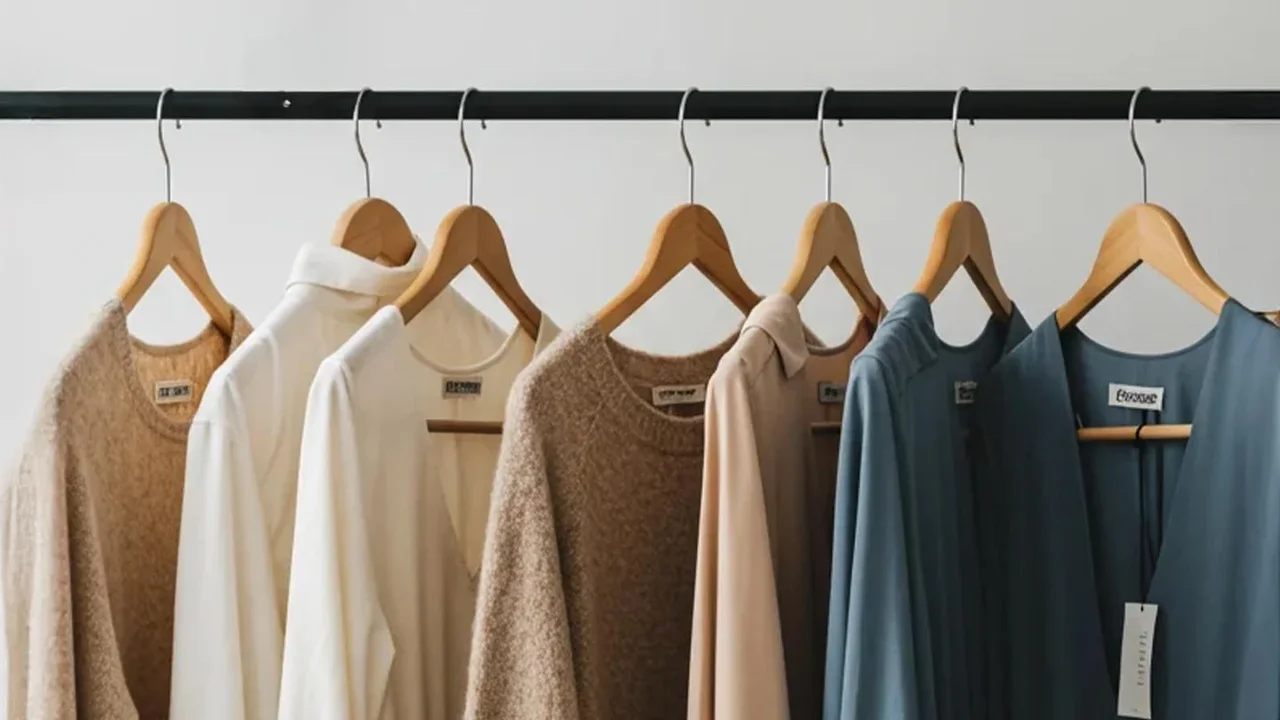
clothes. Lay them out and look for a pattern. What are the dominant colors? Is it a sea of navy, charcoal, and white? Or do you see a lot of olive green, cream, and tan? This isn't about judgment; it's about data collection. These are the colors that your subconscious brain already associates with comfort, confidence, and ease. This existing palette is the most honest starting point for building a more intentional wardrobe.
Step 2: Define Your Personal Neutrals
The term 'neutral' is broader than just black, white, and gray. In fashion, a neutral is any color that serves as a versatile anchor, pairing easily with many other shades. Your audit might reveal that your true workhorse neutral is navy blue, camel, or even olive green. These are your 'base neutrals'. Once you've identified them, think about secondary neutrals that support them. For example, if your primary base is navy, your secondary neutrals might be cream and soft gray. If you gravitate toward warmer tones like camel, your supporting shades could be ivory and chocolate brown. The goal is to build a core foundation of 2-3 neutrals that all work together, providing a solid, flexible structure for the rest of your wardrobe.
Step 3: Consider Your Lifestyle Context
A color’s usefulness is directly tied to your daily life. The perfect shade for a creative professional in a casual office might be totally wrong for a corporate lawyer. Think about your 'life uniform'. What colors dominate the settings you’re in most frequently? If your work requires a more conservative look, investing in basics in cool-toned neutrals like charcoal and navy is a safe bet. If your days are more relaxed, warmer or softer neutrals like stone, khaki, and soft white might get more use. Also consider the practicality of the colors themselves. If you have pets or small children, a closet full of crisp white and cream basics might be a source of stress, while heather gray or dark navy will be more forgiving.
Step 4: The 'Accent Color' Litmus Test
Not every basic has to be a neutral. This is where accent colors—the brighter, more personality-driven shades—come in. Think dusty rose, muted blue, rust, or emerald green. The trick is to choose them with intention. An accent color should complement your core neutrals. For example, if your base colors are navy and cream, a pop of coral or mustard can add energy. Before buying a basic in a bold color, ask yourself one question: 'Does this pair well with at least three other items I already own?' If you can instantly picture it with your go-to jeans, your favorite blazer, and a skirt you love, it’s a contender. If it only works with one specific item, it's likely to become a 'wardrobe orphan'—an item that rarely gets worn.
Step 5: The In-Store Sanity Check
You’ve done the audit and defined your palette. Now you're at the store, holding a t-shirt that comes in eight appealing colors. Run through this final checklist. First, hold the color up to your face in natural light if possible; store lighting can be deceptive. Does it make your skin look clearer and brighter, or does it wash you out? This is often called personal color analysis, and while you don't need a professional consultation, a quick mirror check can reveal if a color is harmonious with your skin tone. Second, mentally slot it into your 'life uniform.' Can you see yourself wearing this on a typical Tuesday? Finally, confirm it works with your core neutrals. If the color passes these three tests, you can be confident it's a purchase you'll actually wear, not just admire in your closet.