


The Blueprint is the Whole Body
A runway look isn't a collection of individual garments; it's a single, cohesive statement. Designers are architects of the human form, and they use every element to build a specific silhouette. The shoe is the foundation of that structure. Its height,
shape, and even its 'visual weight' are deliberately chosen to balance the proportions of the clothing. A towering platform might be selected to make a wide-leg trouser fall just so, creating a long, unbroken line from hip to floor. When you swap that platform for a flat, you're not just changing the shoe—you're altering the blueprint of the entire look.
It's All About the Hemline
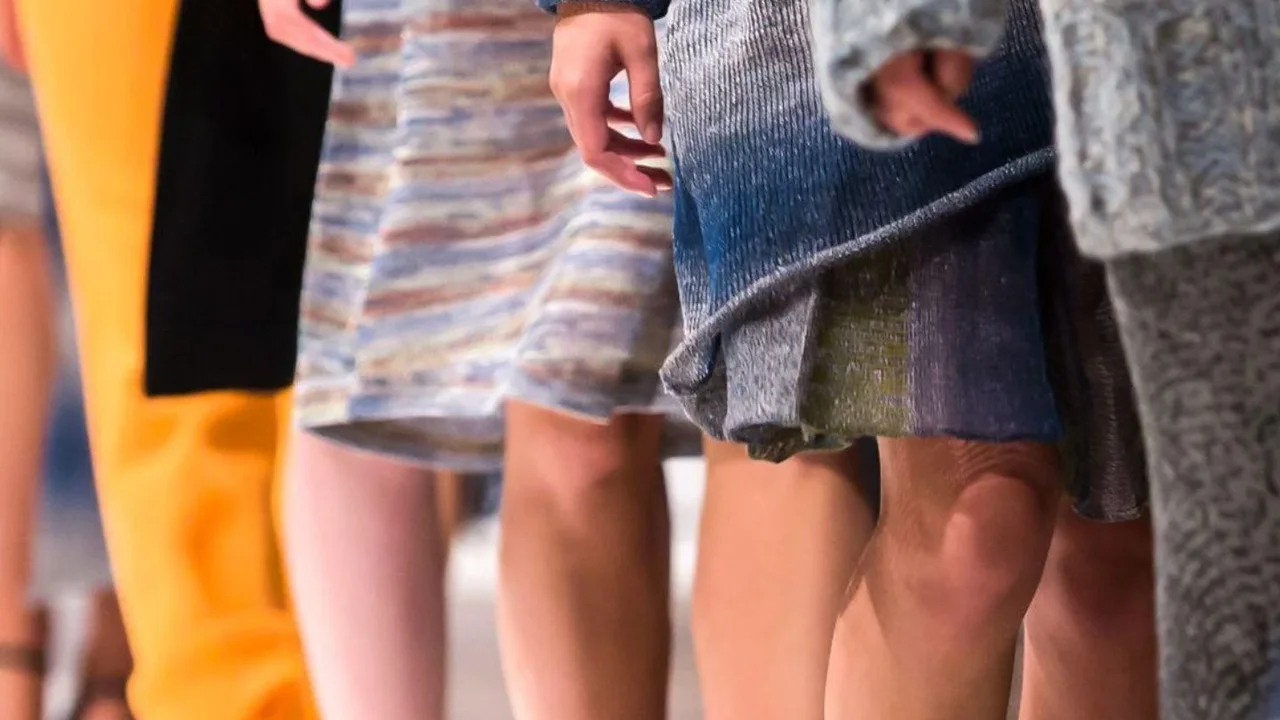
The relationship between a hemline and the floor is one of the most critical proportional measurements in fashion. A heel changes your physical height, which in turn dictates where every hem falls. A floor-sweeping gown that skims the ground with a five-inch stiletto will pool and bunch awkwardly with a two-inch kitten heel, ruining the intended drape. The same is true for cropped styles. The specific gap between a midi skirt's hem and the ankle is a calculated choice. A high heel elongates that space, creating a sense of lightness, while a flat can make the same proportion feel heavy and grounded. The shoe doesn't just finish the look; it determines its geometry.
The Illusion of a Longer Line
High heels do more than just add height; they fundamentally change your posture and the perceived length of your legs. By forcing the foot into a downward angle, a heel elongates the visible leg line, altering how the eye travels up the body. Designers often use this to their advantage, creating garments that rely on that elongated lower half for balance. For example, a top with voluminous sleeves might be paired with a slim skirt and high heels. The exaggerated volume on top is balanced by the long, lean line below. Swap in a pair of sneakers, and that carefully constructed balance collapses. The leg line is shortened, and the top suddenly appears bulky and overwhelming.
Visual Weight and Grounding
Proportion isn't just about length; it's also about visual weight. Think of a shoe as the anchor for the outfit. A chunky combat boot 'grounds' a look, giving it a heavy, solid base. A delicate, strappy sandal feels light and airy. Runway stylists are masters at playing with this balance. They might pair a frothy, ethereal dress with a heavy boot to create an interesting visual tension. If you try to replicate that look with a dainty ballet flat, the intentional contrast is lost, and the outfit's original 'message' disappears. The visual weight of your footwear needs to either complement or deliberately contrast with the weight of the garments above it.
How to Adapt, Not Just Copy
Understanding these principles doesn't mean you're forever bound to towering heels. Instead, it empowers you to be a better stylist for your own life. When you see a runway look you love, analyze its core proportions. Is it built on a long, unbroken leg line? You can achieve a similar effect with flats by matching your shoes to the color of your pants to create a seamless column of color. Is the outfit about balancing volume? If you lower the heel height, you might need to scale back the volume of the garment to maintain a similar balance. The key is to identify the designer's intention and then find your own way to honor it with the shoes you can actually walk in.