



We’ve all been there: holding a navy sweater that’s just a little off from our navy pants. But what if that slight mismatch wasn't a problem, but a power move? The secret to a truly chic monochrome look isn't perfect matching; it's harmony.
Embrace Texture to Create Depth
The single
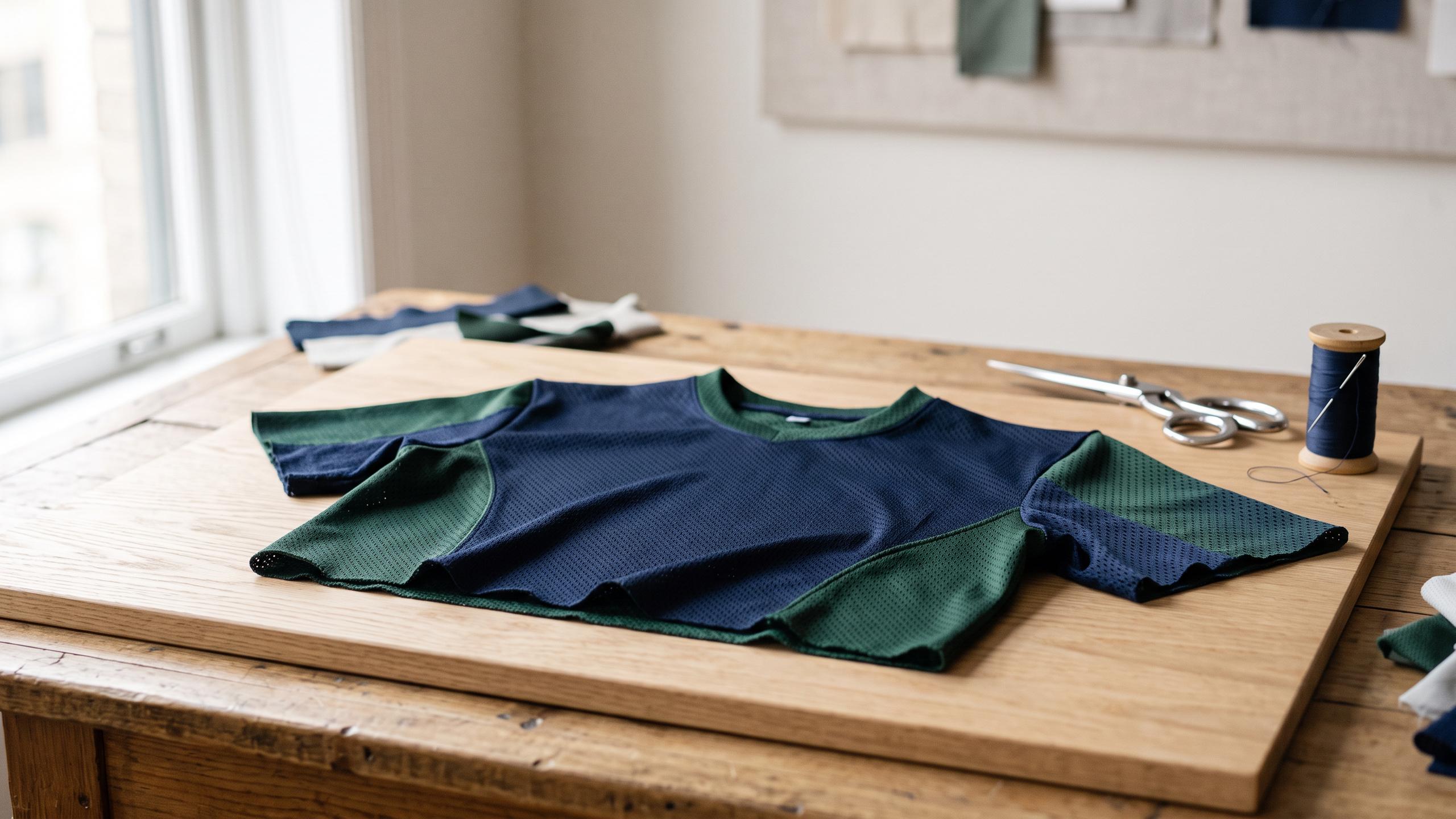
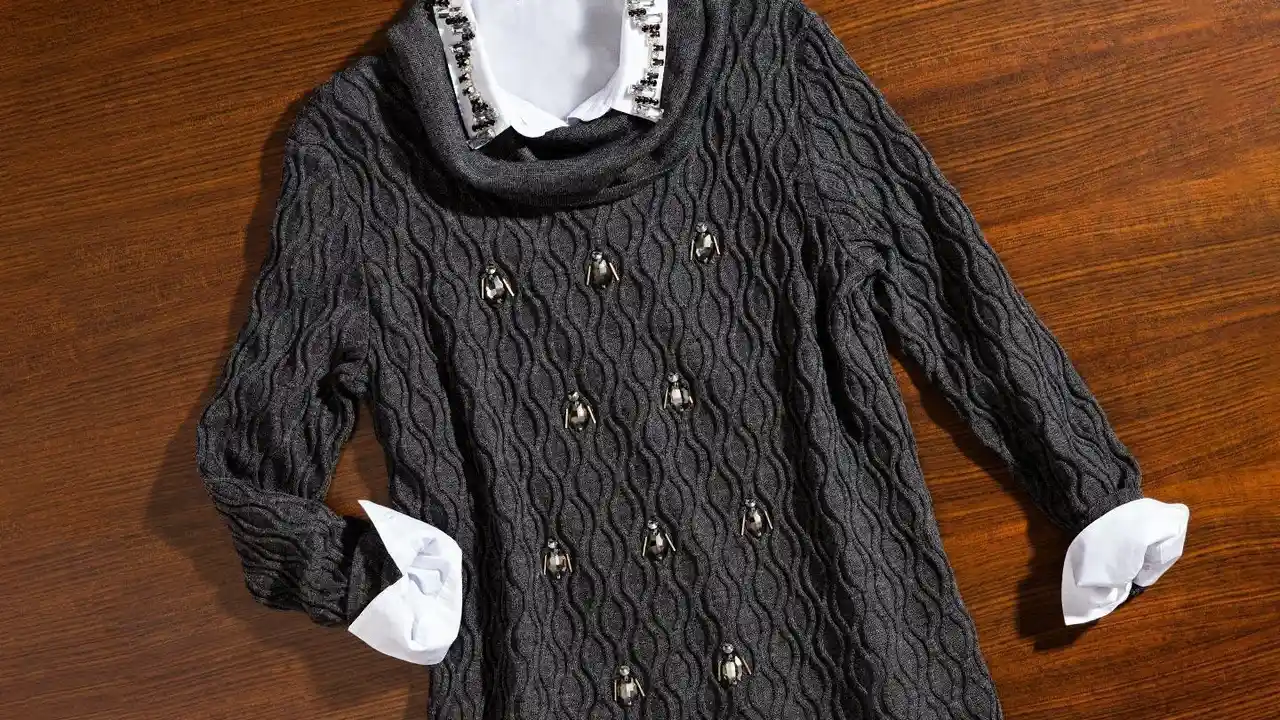
most effective way to make varying shades look deliberate is by introducing different textures. When fabrics are distinct, the eye registers the color variation as an intentional choice, not a mistake. Think of a chunky, ribbed knit sweater paired with smooth, tailored wool trousers. Or a sleek silk camisole worn with matte cotton pants. The contrast in materials—like leather with cashmere, or denim with satin—creates visual and tactile interest that keeps the outfit from feeling flat or one-note. Even if the colors are nearly identical, the different ways they reflect light will provide enough separation to make the look feel rich and layered. This simple trick instantly elevates the entire ensemble, making it clear you're not just wearing one color, but skillfully composing a look within a single color family.
Create a Clear Gradient
Instead of randomly combining shades, think like an artist and create a visual flow. Arranging your pieces in a gradient, from the lightest shade to the darkest, provides a natural and pleasing order to the outfit. For example, you could wear a cream top, a camel blazer, and deep brown trousers. This gradual shift in tone guides the eye smoothly and elongates your silhouette. The key is to ensure the shades are distinct enough to be recognized as separate steps. If the tones are too close, it can look like you tried to match and failed. A good rule of thumb is to use two or three noticeably different shades to build a look that feels both cohesive and dynamic.
Leverage Your Silhouette
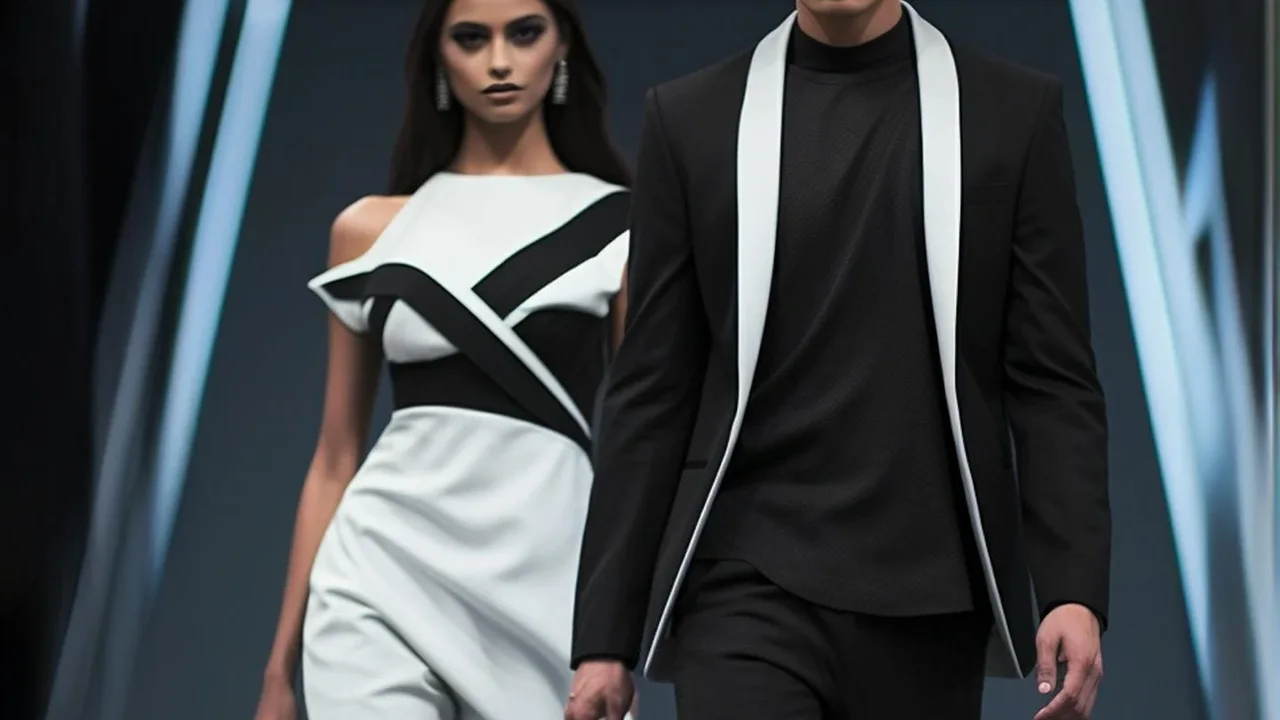
How you distribute the different shades across your body can completely change the effect of your outfit. Playing with proportions is a stylist’s secret weapon. Use darker shades to slim or ground parts of your figure and lighter shades to highlight. For instance, if you want to draw attention upward, wear a lighter top with darker pants. Pairing an oversized piece with something more fitted also adds structure and prevents the look from appearing shapeless, which can sometimes happen with a single block of color. A voluminous light gray sweater with tailored charcoal trousers is a classic example that masters both shade and proportion.
Use an Accessory as a Bridge
Sometimes, all you need is a single piece to tie everything together. Accessories are perfect for this. A belt, scarf, or handbag in a slightly different tone can act as a 'bridge' that connects the other shades in your outfit. Alternatively, you can use an accessory in a complementary neutral color. For example, an all-blue outfit in varying shades of navy and sky blue can be unified with a crisp white sneaker or a classic tan leather bag. These neutral accents don't disrupt the monochromatic feel; instead, they provide a clean focal point that makes the entire look feel more polished and complete.
Start with a Color You Love
The easiest way to get started with tonal dressing is to work with a color family that's already prominent in your wardrobe. For many, this might be blue (thanks to denim), gray, or neutral shades like beige and cream. Starting with a color you're comfortable in and have multiple pieces of removes the pressure. Pull out a few items and see how they look together in natural light, as artificial lighting can be deceiving. You don't need to force it. The goal is to build an outfit that feels like an elevated version of your personal style, not a trend you're just testing out.