

Think 'Inspired By,' Not 'A Costume Of'
The most common pitfall is taking the event's purpose too literally. Attending a retrospective on modernism doesn't require you to dress like a Mondrian painting. A launch party for a new video game doesn't mean you show up in tactical gear. Instead of
imitation, aim for interpretation. Let the event's subject matter inform your mood, color palette, or texture, but not your entire outfit. For an art gallery opening, you might choose a dress with a clean, sculptural silhouette or a single, bold color that complements the art without competing with it. The goal is to show you understand the context, not that you’re part of the exhibition.
Prioritize Silhouette and Texture Over Loud Prints
In creative circles, visual intelligence is often communicated through subtlety. Instead of relying on a busy, attention-grabbing pattern, focus on the interplay of shape and material. An oversized but well-structured blazer, wide-leg trousers in a heavy linen, or a knit dress with an unusual drape all signal a sophisticated eye. These architectural choices demonstrate an understanding of form and balance. Good quality fabrics like matte silks, wools, or even high-grade synthetics add depth and interest that a simple print cannot. This approach conveys confidence and competence, suggesting you're a creator, not just a consumer of trends.
Master the High-Low Mix
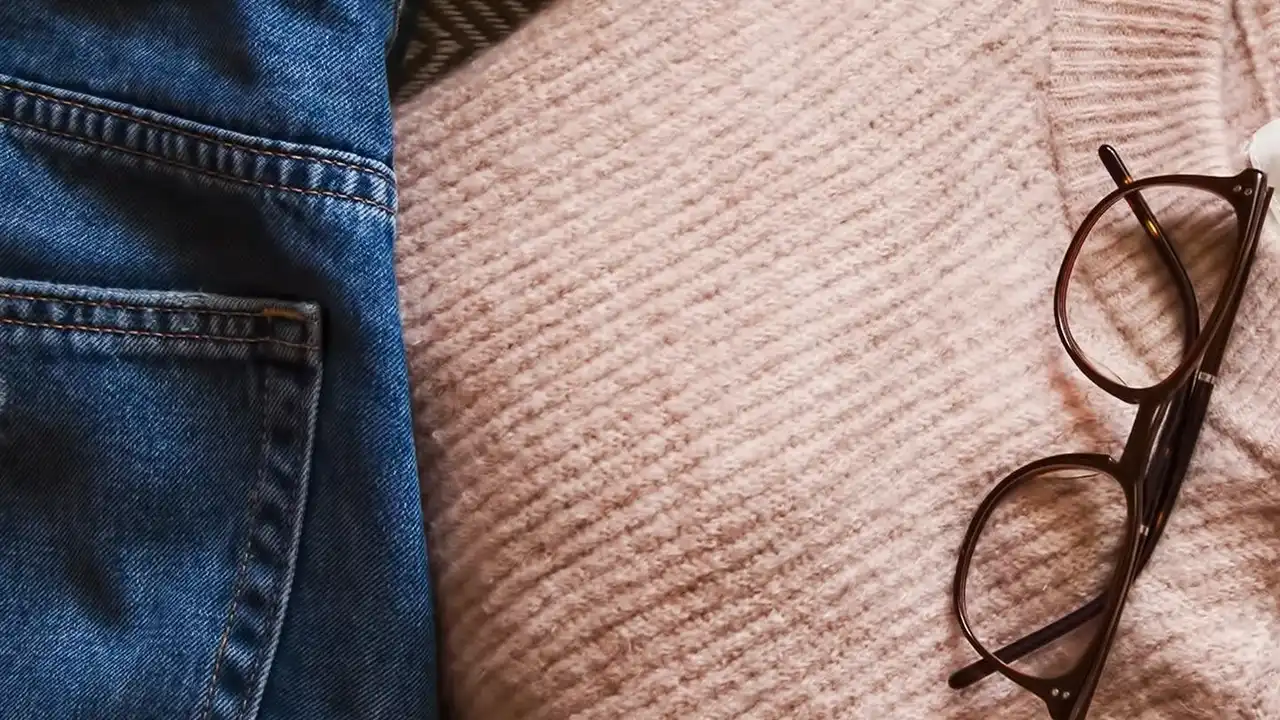
Few things broadcast style savvy like the ability to blend investment pieces with everyday basics. Pairing a designer jacket with a simple, high-quality t-shirt and dark-wash jeans, or wearing statement shoes with an otherwise understated outfit, strikes a perfect balance. This mix demonstrates that your style is personal and considered, not just purchased off a mannequin. It says you appreciate quality but aren't defined by labels. For many creative events, a full head-to-toe designer look can feel stiff or try-hard. Blending formal and informal pieces—like a silk blouse with well-cut trousers and clean, minimalist sneakers—shows you respect the occasion but are comfortable in your own skin.
Follow the 'One Weird Thing' Rule
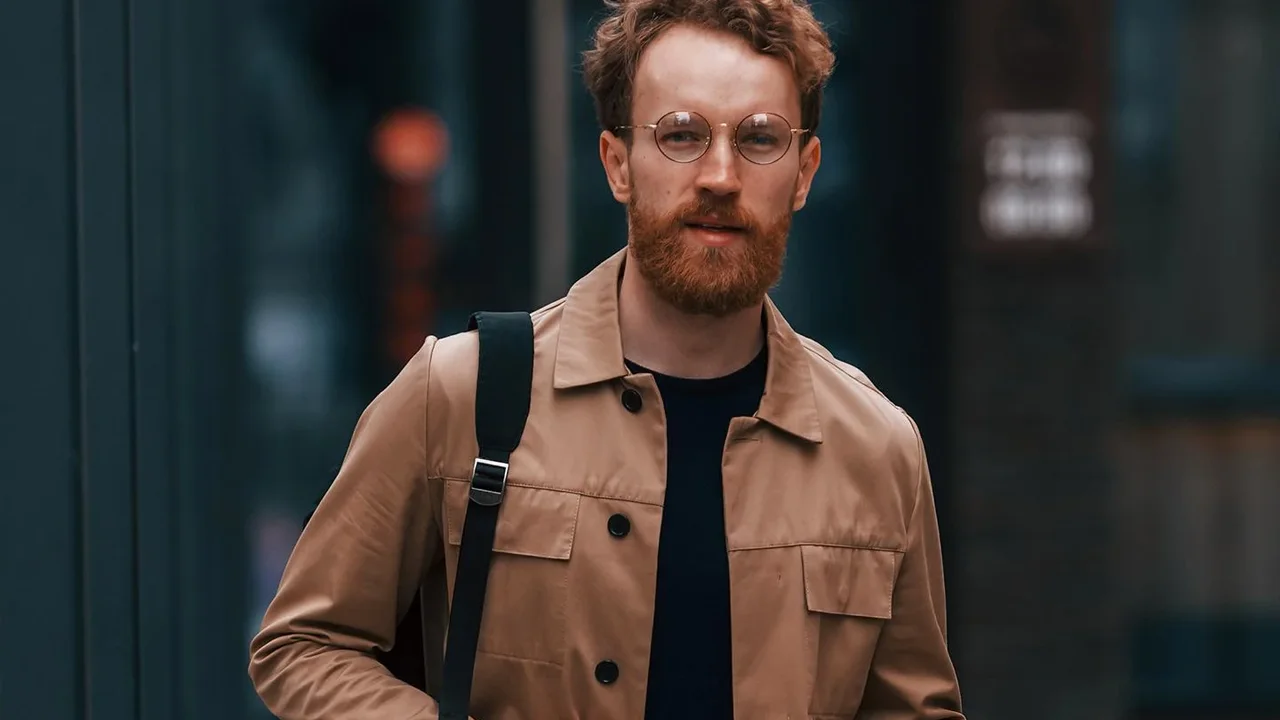
To avoid looking generic, allow one element of your outfit to be a conversation starter. This could be a piece of sculptural jewelry, a brightly colored handbag, unique glasses frames, or architecturally interesting shoes. The key is to limit the 'weird' to a single item. Build a polished, even classic, foundation—like a monochrome dress or tailored separates—and let your one statement piece add the necessary dose of personality. This strategy prevents your entire look from becoming a costume. It shows a spark of individuality and creative flair that is intentional and controlled, which is the very essence of professional creativity.
When in Doubt, Elevate the Basics
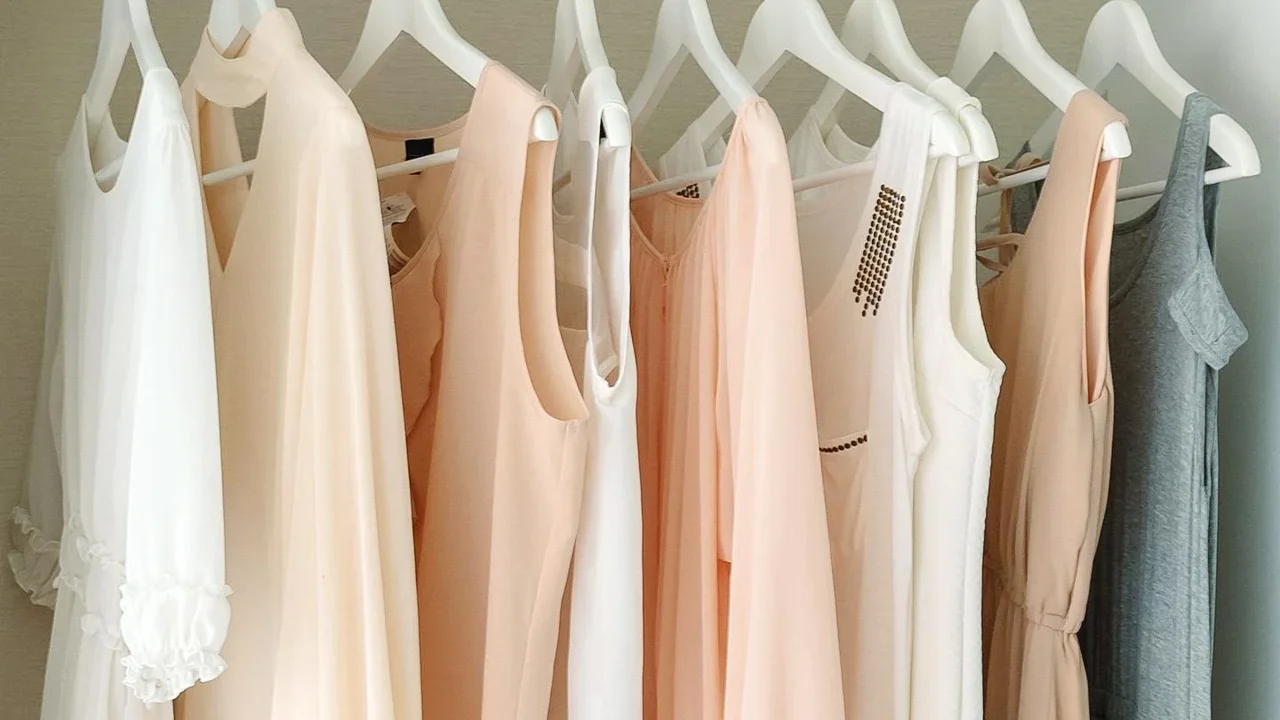
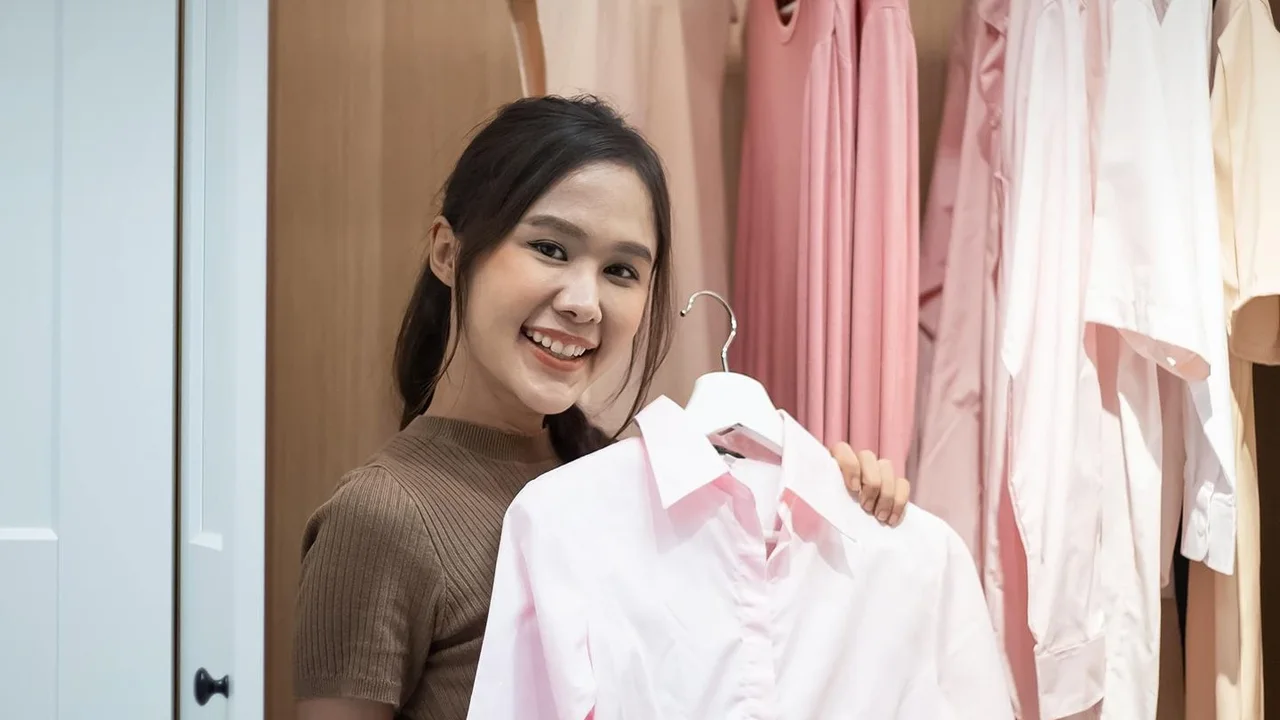
If you're truly stumped, you can never go wrong with a foundation of well-fitting, high-quality basics in a neutral palette. Think tailored trousers in black, navy, or charcoal; a crisp white shirt; a simple black midi dress; or a perfectly cut blazer. These pieces project professionalism and provide a clean canvas. From there, you can add personality through smaller, deliberate choices. A colorful silk scarf, a unique leather belt, or a pair of elegant loafers can elevate the entire look. Remember that fit and grooming are paramount. An impeccably tailored, simple outfit will always look more stylish and creative than an ill-fitting, complicated one.