


The Old Guard: What Is Rigid Tailoring?
Think of the classic 'power suit'. That's rigid tailoring. Its entire purpose is to create a specific, architectural shape independent of the person wearing it. This is achieved with internal scaffolding: layers of canvas, horsehair, and heavy padding
in the shoulders and chest. This construction method, often associated with traditional British tailoring, builds a visual frame that can broaden shoulders and create a strong 'V' silhouette. The goal is presence and authority, communicating professionalism through a clean, unchanging line. However, this structure can also feel restrictive, like wearing a piece of furniture. It's an approach designed for a more static lifestyle, not the constant movement of modern life.
The Modern Approach: The Freedom of Soft Tailoring
Soft tailoring, sometimes called unstructured or deconstructed, takes the opposite approach. It's a process of subtraction, removing the heavy padding and rigid internal layers. The result is a jacket that feels more like a cardigan but retains the elegant lines of a suit. With minimal-to-no shoulder padding and a lighter (or absent) chest canvas, the garment is designed to follow the body's natural shape rather than impose a new one. Popularized by Italian tailors seeking comfort in humid climates, this style allows for greater freedom of movement and a relaxed elegance that doesn't sacrifice polish. It's not about being shapeless; a poorly made jacket that collapses isn't soft tailoring, it's just a bad jacket. True soft tailoring is about achieving a clean silhouette through different means.
The Fabric Becomes the Architecture
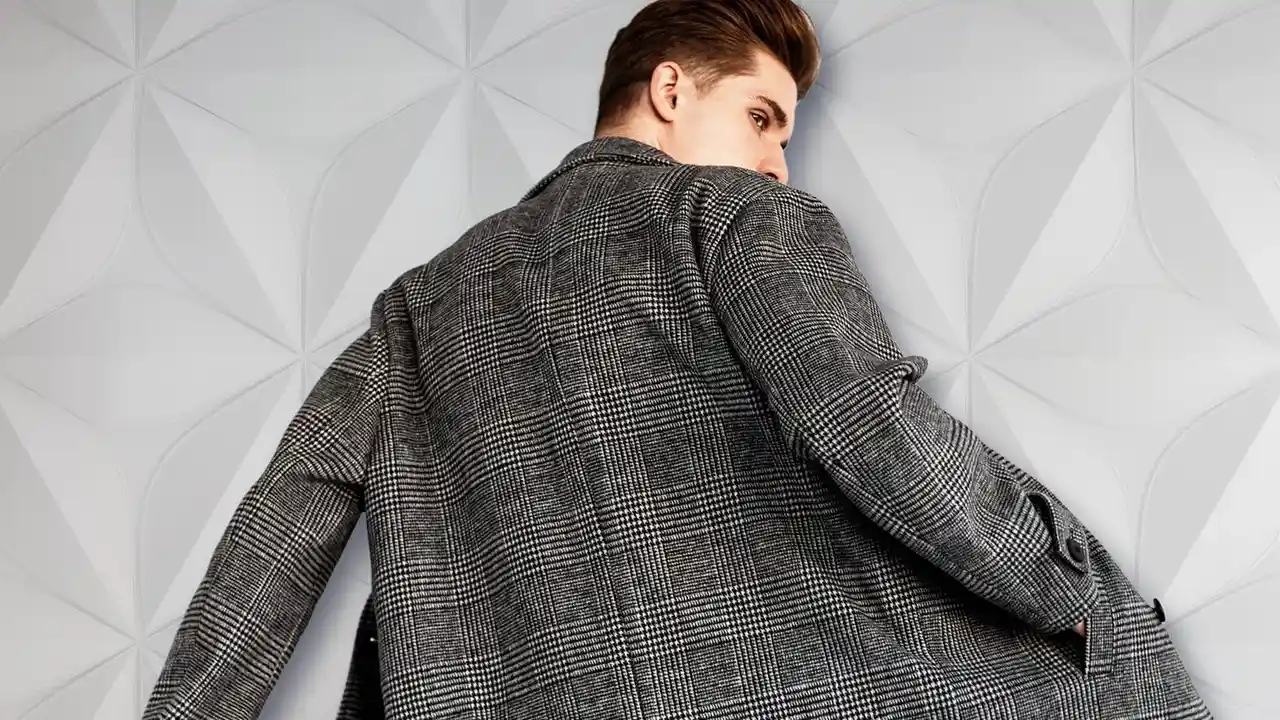
This is where the headline's promise comes into play. When you remove the internal scaffolding of a jacket, something else has to do the work of creating the shape. That 'something' is the fabric itself. In rigid tailoring, the fabric is draped over a pre-defined structure. In soft tailoring, the fabric is the structure. Its weight, weave, and drape are what create the silhouette. A flimsy, cheap material will look limp and sad, but a high-quality, thoughtfully chosen fabric can hang so perfectly that it creates a line cleaner and more impressive than any padded shoulder could. This is how softness achieves sharpness.
So, What Makes a Fabric 'Right'?
The right fabric for soft tailoring has character. It needs enough body and weight to hang cleanly without collapsing, but enough suppleness to move with you. High-twist wools, for instance, have a natural springiness that resists wrinkling and creates a beautiful, fluid drape. Heavier cotton twill, tweed, and corduroy are excellent for fall and winter, as their texture adds visual interest and holds a soft shape naturally. For warmer weather, linen and linen-wool blends are ideal; they are breathable, and their tendency to wrinkle is part of their charm, contributing to an air of lived-in elegance. The key is that these fabrics have enough inherent structure to define a sharp line while being comfortable and responsive to your movement.
The Confidence of Comfort
Ultimately, soft tailoring looks sharper because it looks more natural and confident. A person in a rigid suit can sometimes look like they're wearing a costume, their movements slightly stiffened by the garment's construction. Someone in a well - made, softly tailored jacket moves with ease. The jacket complements their form instead of fighting it. That comfort translates directly into confidence. You look sharper because you feel better. You're not thinking about the restrictive suit; you're just wearing a great jacket that happens to be incredibly comfortable. It’s a modern form of power dressing—one that relies on effortlessness and self - assurance, not armor.