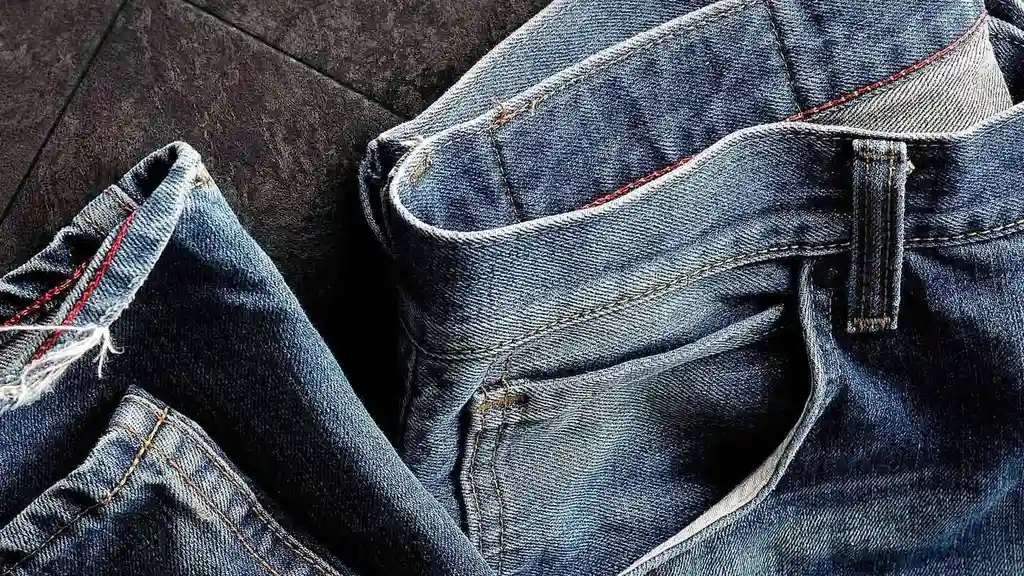




More Than Just a Belt Holder
At its most basic, a belt loop is a simple piece of fabric that keeps your belt from riding up or sagging away from your waistband. Before they became standard around the 1920s, men relied on suspenders to hold up their trousers. The introduction of loops
offered a new, more versatile way to ensure a good fit. But their job isn’t just functional; it’s architectural. A standard pair of jeans or trousers might have five to seven loops, and their spacing is designed to distribute the tension of the belt evenly. Too few loops, and your belt can bow out between them, especially at the back, creating an unflattering gap and compromising support. They are the unsung heroes that anchor your entire midsection.
It’s All About the Rise
The single biggest factor determining where belt loops are placed is the rise of the pants. The rise is the distance from the crotch seam to the top of the waistband, and it determines where the pants are designed to sit on your body. Low-rise pants, which sit on the hips, will have their belt loops positioned lower to match. Mid-rise pants, the most common style, sit just below the navel, and their loops follow suit. High-rise trousers are designed to sit at your natural waist (the narrowest part of your torso, usually around your belly button), so their belt loops are placed higher to help the belt define that line. A belt can only sit where the loops allow it to. Forcing a belt higher or lower than the loops will cause it to strain, bunch up, and refuse to lie flat, defeating the purpose of wearing it.
The Wrong Placement Spells Trouble
When belt loop placement doesn't align with your body or the intended style, problems arise. If you wear high-waisted pants but the loops are set too low, a belt will awkwardly try to pull the waistband down toward your hips. Conversely, trying to wear a belt at your hips on pants with high-set loops is a losing battle; the belt will constantly ride up to where the loops are anchored. This mismatch leads to more than just discomfort. It creates a sloppy look, with fabric bunching around the waist and a belt that looks like an afterthought rather than an integrated part of your outfit. A well-placed belt loop allows the trousers to drape smoothly from the waist, creating a clean, uninterrupted line. An ill-placed one breaks that silhouette.
What You Can Do About It
The good news is you have control. When shopping, pay attention to the rise of the pants and see where the belt loops sit. If you prefer high-waisted styles, look for loops that are positioned to help a belt cinch your natural waist. If you’re a fan of low-slung jeans, ensure the loops are on the hips. For those who find their pants never seem to have enough support, especially in larger sizes where the distance between loops can be significant, a tailor can add extra loops for better security. It's also possible, though more complex, for a skilled tailor to remove belt loops entirely or even move them, though this can sometimes risk damaging the fabric if not done carefully. Being aware of this small detail can transform how your clothes fit and feel.