



What's Happening?
The New York fashion industry is undergoing significant shifts, with major trends focusing on sustainability, digital transformation, inclusivity, and technological innovation. Sustainability is taking
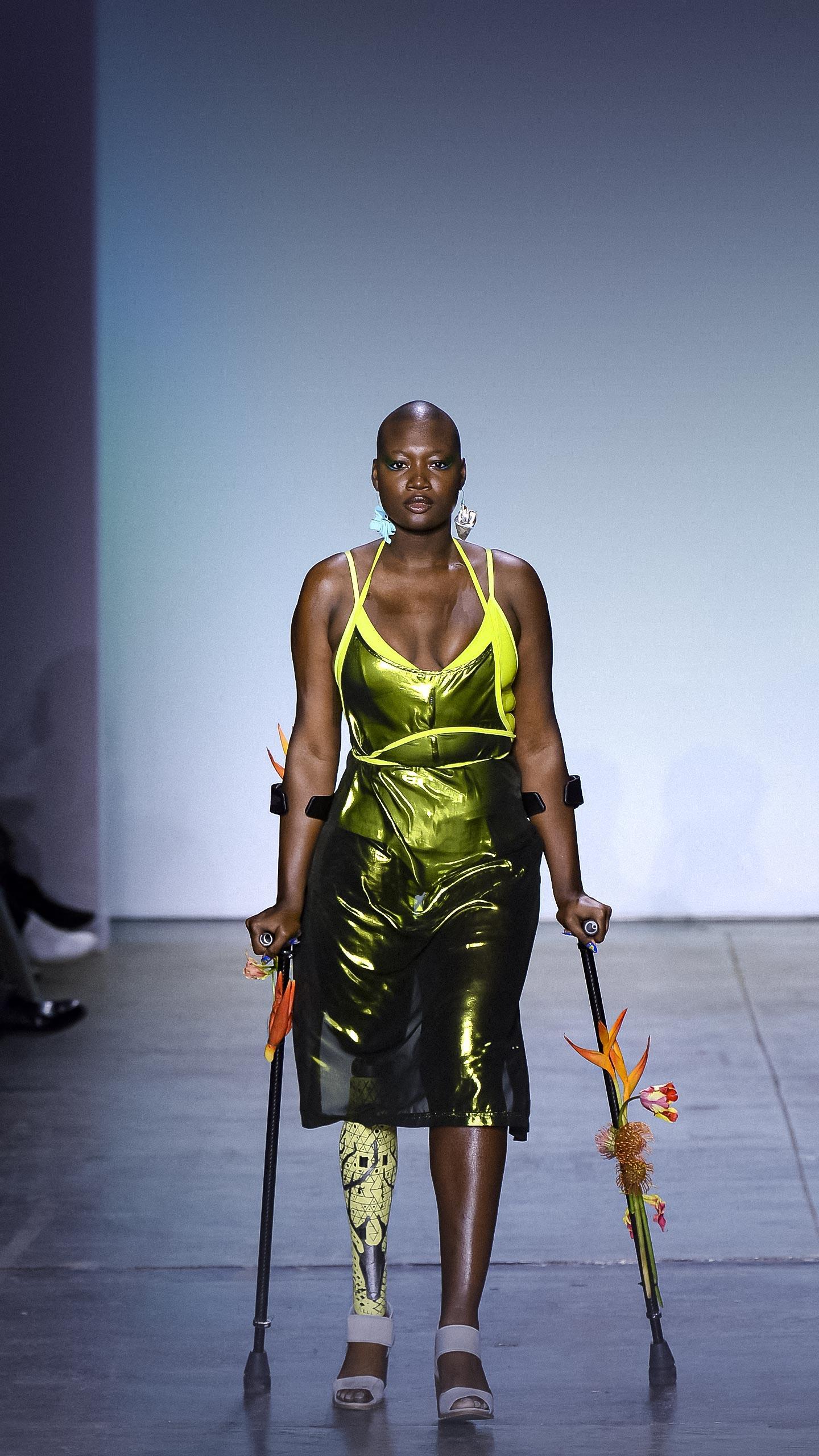
center stage, driving designers to use eco-friendly materials like organic cotton, recycled fabrics, and biodegradable textiles. Circular fashion initiatives are also gaining traction, with brands creating products designed for reuse, recycling, or refurbishment to reduce waste. Digital transformation, accelerated by the pandemic, has led to substantial e-commerce growth, with online shopping offering personalized experiences and virtual try-ons. Social media platforms are playing a crucial role in shaping trends, as influencers and content creators promote new styles globally. Furthermore, the industry is breaking traditional norms by embracing gender fluidity through gender-neutral collections and expanding size ranges to promote size inclusivity, reflecting a more realistic view of beauty and diverse identities.
Why It's Important?
These trends are profoundly impacting the U.S. fashion industry by reshaping consumer expectations, production methods, and market strategies. The move towards sustainability addresses growing environmental concerns among consumers, pushing brands to adopt ethical practices and potentially influencing policy discussions around manufacturing and waste. Digital transformation is critical for brands to remain competitive, as e-commerce and social media are now primary channels for sales and trend dissemination, affecting marketing budgets and technological investments. Inclusivity, encompassing gender fluidity and size diversity, is vital for brands to connect with a broader and more diverse consumer base, fostering positive body image and self-expression. Brands that fail to adapt to these shifts risk losing market share and relevance in an increasingly conscious and digitally-driven consumer landscape, while those that embrace them can enhance brand loyalty and appeal.
What's Next?
The New York fashion industry is expected to continue its trajectory towards greater sustainability, digital integration, and inclusivity. Consumers will likely see more brands adopting eco-friendly materials and circular economy models, potentially leading to new industry standards and certifications. Further advancements in fashion technology, such as AI in design and virtual fashion shows, will likely become more commonplace, enhancing efficiency and global reach. The push for gender-neutral and size-inclusive collections will continue to challenge traditional fashion norms, leading to a more diverse and representative market. Brands will need to continuously innovate their digital presence and leverage social media effectively to engage with consumers and stay ahead of evolving trends. This ongoing evolution will likely foster a more ethical, accessible, and technologically advanced fashion ecosystem.
Beyond the Headlines
The emphasis on sustainability and circular fashion in New York reflects a broader societal shift towards conscious consumption, where consumers increasingly demand transparency and ethical practices from brands. This could lead to a re-evaluation of the entire fashion supply chain, from raw material sourcing to end-of-life product management, potentially driving innovation in material science and manufacturing processes. The rise of gender fluidity and size inclusivity challenges long-held beauty standards and marketing conventions, promoting a more authentic and diverse representation of individuals in media and advertising. This cultural shift could have lasting impacts on self-perception and identity, moving beyond mere fashion trends to influence broader social dialogues about acceptance and representation. The digital transformation also raises questions about data privacy and the ethical use of AI in creative industries.