
What's Happening?
Loewe, a luxury fashion brand, has won a copyright infringement lawsuit concerning its Whisker handbag. A Dutch district court rejected a preliminary injunction request from Wandler, a smaller Dutch accessories
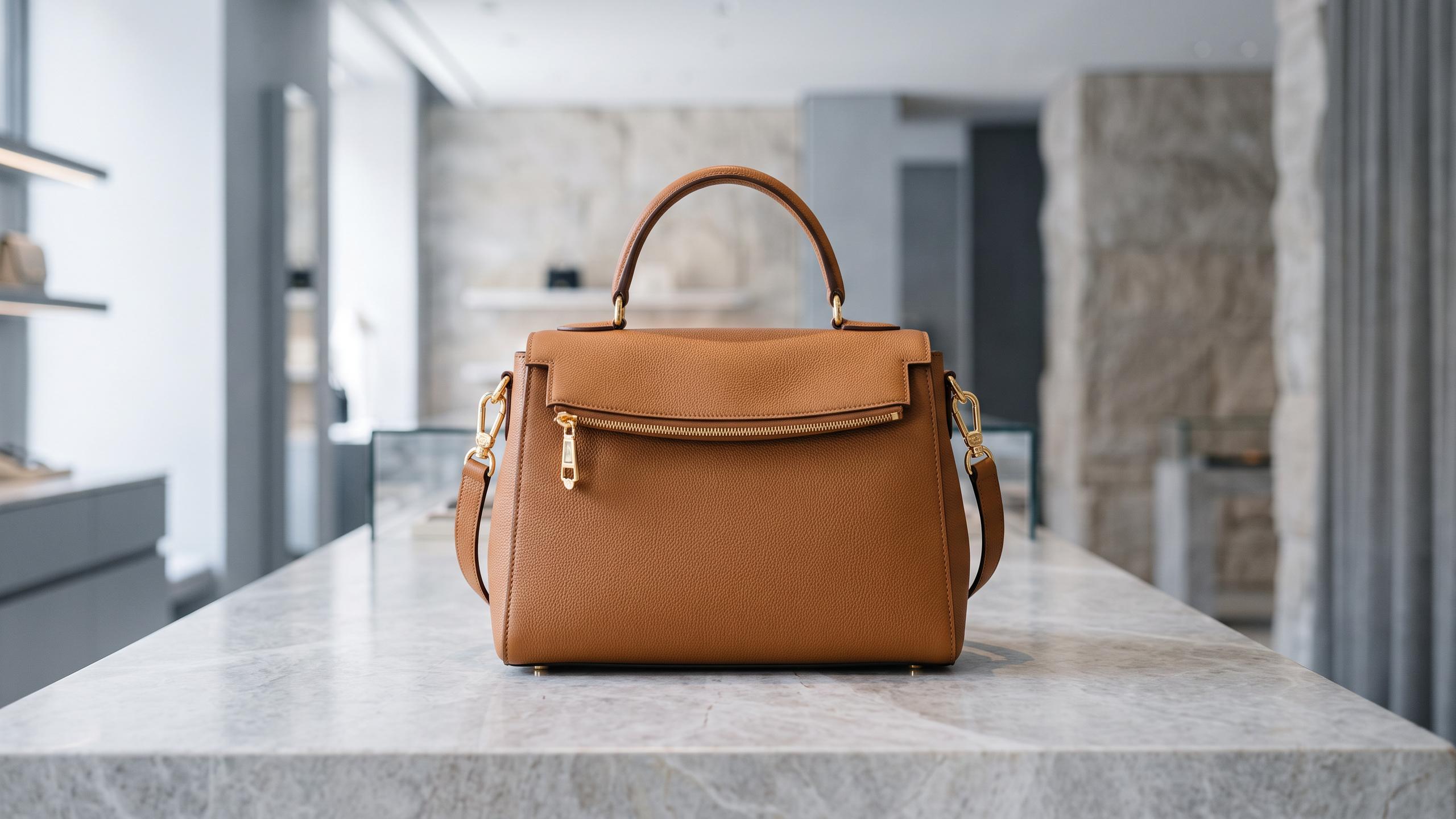
brand, which alleged that Loewe copied its Ida bag design. The dispute began in March 2026 when Loewe introduced its Whisker bag during Paris Fashion Week. Wandler claimed Loewe infringed on its copyright-protected Ida bag, which had been presented to buyers over a year prior. After unsuccessful negotiations and the global launch of the Whisker bag in August, Wandler filed a lawsuit, expressing concern that consumers would mistakenly believe it had copied Loewe. Loewe argued that the design elements of the Ida bag were common or functionally necessary, thus not protectable. Loewe also filed a counterclaim, accusing Wandler of infringing on its own overhanging zipper strip design from its Madrid bag and an early Strip Shoulder Bag design. The court acknowledged that Wandler's Ida bag design qualified for copyright protection due to its combination of ten design elements reflecting creative choices. However, the court concluded that Loewe's use of similar design elements in the Whisker bag demonstrated its own creative expression and was unlikely to constitute copyright infringement. The court also rejected Loewe's counterclaims, finding that Wandler had made its own creative choices, characterizing the Ida bag as an 'inspired work' that could also qualify for copyright protection.
Why It's Important?
This ruling is significant for the fashion industry, particularly regarding the scope and limitations of copyright protection for product designs. It clarifies that even if a combination of design elements qualifies for copyright protection, competitors may incorporate similar elements without incurring liability, provided they do not recognizably reproduce the protected creative expression. This decision could influence how fashion brands approach design inspiration and intellectual property protection, potentially encouraging more nuanced interpretations of originality. For smaller brands like Wandler, it highlights the challenges of protecting unique designs against larger, more established companies. For luxury brands like Loewe, the win reinforces their ability to innovate and draw inspiration without automatically facing infringement claims, as long as their designs demonstrate distinct creative expression. The case also underscores the reputational stakes in the luxury market, where accusations of copying can significantly impact a brand's image and perceived originality, which are crucial for maintaining premium pricing and consumer trust. Both parties were concerned about public perception, illustrating that managing the narrative around design originality is a strategic consideration in itself.
What's Next?
The immediate consequence of this ruling is that Loewe can continue selling its Whisker bag in the Netherlands without legal impediment from Wandler. For Wandler, the decision means its attempt to block sales has been unsuccessful, and it may need to re-evaluate its intellectual property enforcement strategy. The ruling could set a precedent within Dutch and potentially broader European intellectual property law regarding fashion design copyright, influencing future disputes. Other fashion brands might review their design processes and legal strategies in light of this judgment, focusing on ensuring their designs incorporate sufficient 'creative expression' to differentiate them from existing works. The case may also lead to increased scrutiny of design similarities in the industry, prompting brands to be more diligent in documenting their creative processes to defend against potential infringement claims. While the court did not definitively rule on whether Loewe drew inspiration from Wandler, the outcome emphasizes the importance of demonstrating independent creative choices in design.
Beyond the Headlines
This case delves into the complex interplay between inspiration, originality, and copyright law in the fast-paced fashion industry. It highlights the inherent difficulty in defining what constitutes 'copying' versus 'inspiration' when design elements are often iterative and influenced by broader trends. The court's emphasis on 'creative expression' as a differentiator suggests a nuanced approach to copyright, where mere visual similarity is not enough to prove infringement if the execution of shared elements demonstrates distinct artistic choices. This could lead to a more subjective and potentially challenging legal landscape for designers seeking to protect their work, as proving unique creative expression can be more difficult than simply pointing out similarities. Furthermore, the dispute underscores the significant reputational risks involved in such lawsuits. For both the accuser and the accused, public perception of originality can be as damaging or beneficial as the legal outcome itself, influencing consumer loyalty and market position. This case serves as a reminder that in the luxury fashion sector, where brand identity and perceived exclusivity are paramount, intellectual property battles are often fought on both legal and public relations fronts.