

What's Happening?
The brand Parke has rapidly become a staple in many Gen Z wardrobes, particularly known for its mock necks featuring an embroidered logo. Founded only a few years ago, Parke generated $16 million in revenue
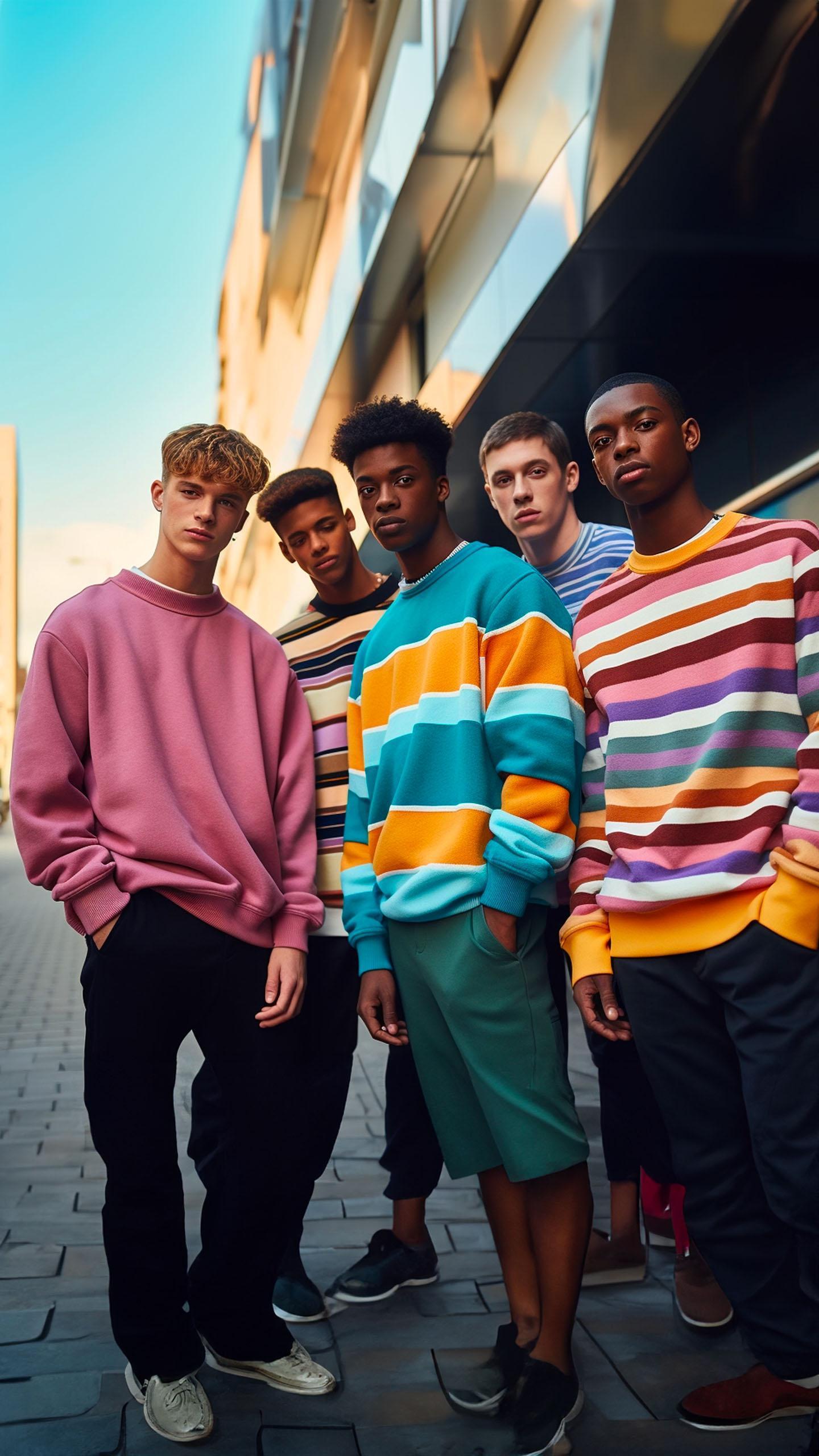
in 2024, largely due to its immense popularity among Gen Z buyers. The brand has cultivated significant excitement through strategic social media marketing, including well-timed posts and sneak peeks of upcoming designs. This widespread adoption of Parke apparel, alongside other trendy items like Uggs, has led to a phenomenon where many Gen Z individuals are frequently seen wearing identical clothing. This trend prompts a discussion about whether these popular items represent genuine fashion choices or have evolved into a form of uniform, despite Gen Z's stated desire for uniqueness.
Why It's Important?
The rapid rise of brands like Parke highlights the powerful influence of social media and influencer marketing on Gen Z's consumer behavior in the U.S. fashion market. This trend indicates that while Gen Z values individuality, they are also highly susceptible to collective trends amplified through digital platforms. For fashion retailers and brands, understanding this dynamic is crucial for successful engagement. Brands that can effectively leverage social media, create a strong online presence, and collaborate with influencers are better positioned to capture this demographic's attention and loyalty. However, the 'fashion or uniform' dilemma also suggests a potential saturation point, where widespread adoption of a trend might eventually lead to a backlash from consumers seeking more distinctive styles. This could drive a continuous cycle of new trends emerging and fading quickly, demanding agility from the industry.
What's Next?
The trajectory of brands like Parke will likely continue to be heavily influenced by their social media strategies and ability to maintain a sense of novelty and exclusivity, even amidst widespread popularity. Future trends may see brands attempting to balance mass appeal with opportunities for personalization or limited-edition drops to cater to Gen Z's desire for uniqueness. The role of influencers will remain critical in shaping consumer preferences, potentially leading to more sophisticated and integrated marketing campaigns. There might also be a counter-movement where Gen Z consumers actively seek out less mainstream or vintage items to differentiate themselves, pushing the market towards greater diversity in offerings. Brands will need to continuously innovate their designs and marketing approaches to stay relevant in this fast-paced, social media-driven fashion landscape.
Beyond the Headlines
This phenomenon extends beyond mere clothing choices, touching upon deeper aspects of identity formation and social conformity within the digital age. The tension between the desire for individual expression and the pull of collective trends, heavily mediated by social media, reflects a complex negotiation of self in a highly connected world. For Gen Z, fashion can serve as both a tool for self-definition and a marker of belonging to a particular online or offline community. The 'uniform' aspect, despite the absence of formal dress codes, suggests a new form of social cohesion driven by digital trends. This raises questions about the authenticity of personal style in an era where algorithms and influencers often dictate what is considered 'fashionable,' potentially leading to a homogenization of aesthetics even as individuals strive for uniqueness.