

What's Happening?
Kristie Chow, a former software engineer, and Michelle Li, a former investment banker, both members of Gen Z, have launched Hauteline, a luxury fashion rental service in New York City. The business, which
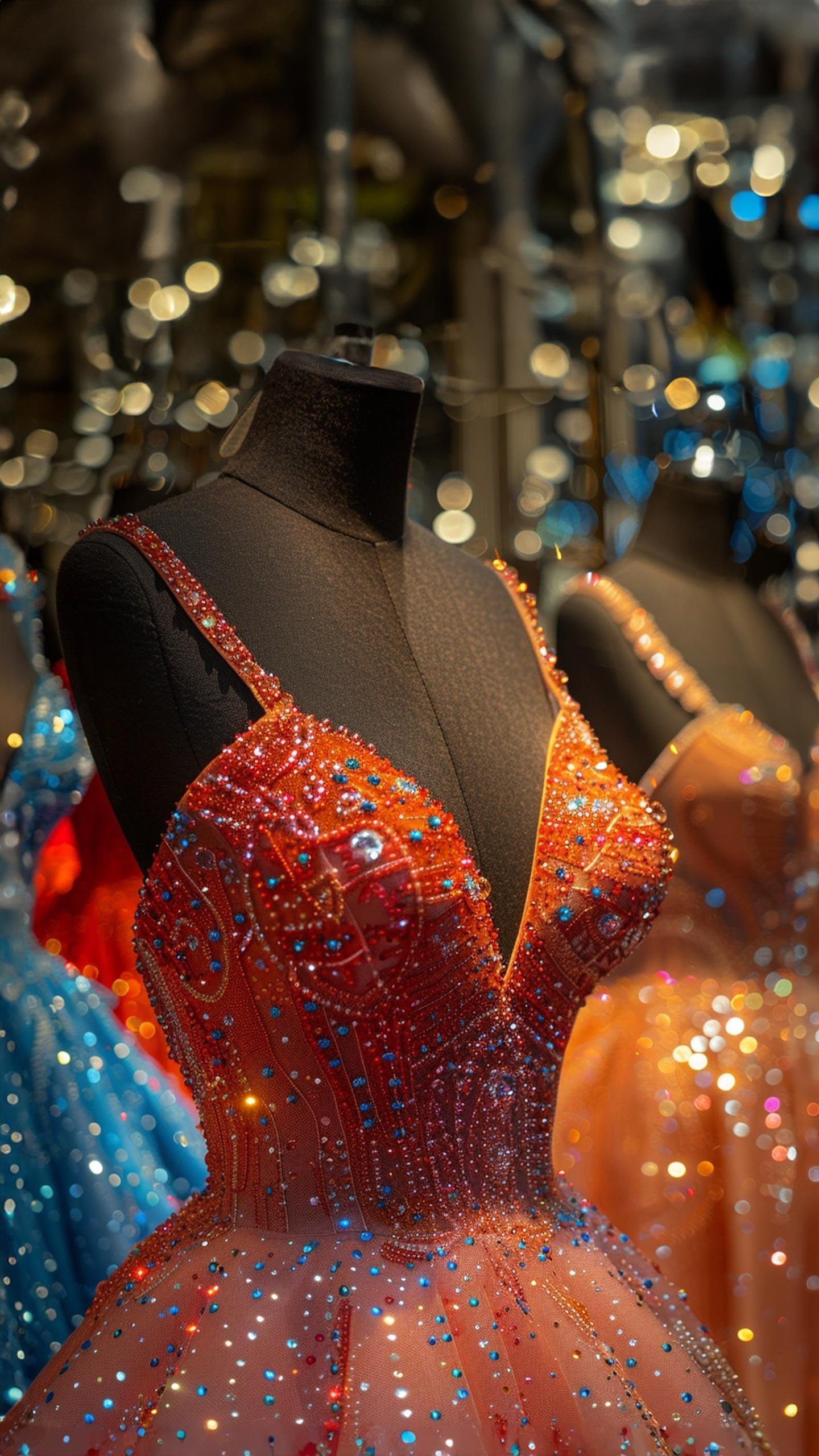
started in 2023, offers an alternative to traditional subscription-based rental models by allowing customers to rent pieces individually, both in-store and online. Located on Orchard Street in the Lower East Side, Hauteline distinguishes itself by prioritizing a full range of sizes, even when it presents financial challenges for a small business. The inventory includes emerging, independent brands and vintage pieces, featuring designers like Anna Sui and Marge Sherwood, as well as custom-made items from collectives such as Fancì Club. The founders aim to provide a platform for self-expression through fashion, moving beyond the traditional luxury market's emphasis on high price tags and labels.
Why It's Important?
Hauteline's entry into the fashion rental market signifies a shift in consumer values, particularly among Gen Z, towards sustainability, ethical consumption, and self-expression over brand prestige. By offering individual rentals and emphasizing size inclusivity, Hauteline addresses key pain points in the luxury fashion industry, making high-end and unique pieces more accessible to a broader audience. This model challenges established players like Rent the Runway, which operates on a subscription basis and closed its physical stores in 2020. The focus on independent designers and vintage items also supports smaller creators and promotes a circular economy, reducing the environmental impact of fast fashion. The founders' commitment to carrying every size, despite potential financial implications, highlights a growing demand for inclusive fashion that caters to diverse body types, influencing how other businesses might approach their product offerings and marketing strategies.
What's Next?
Hauteline plans to continue expanding its inventory of emerging, independent brands and vintage pieces, catering to a diverse clientele. The business model, which allows customers to rent items and then purchase them by paying the difference, offers a flexible approach to luxury consumption. This strategy could encourage more consumers to experiment with high-end fashion without the full commitment of a purchase, potentially increasing sales for the brands featured. The founders will likely continue to leverage their backgrounds, with Li managing finances and social media, and Chow overseeing branding and technology, to scale their operations. Their commitment to size inclusivity and unique offerings could attract further partnerships with designers who share similar values, solidifying Hauteline's position as a forward-thinking player in the fashion rental space.
Beyond the Headlines
Hauteline's success could signal a broader cultural shift in how consumers perceive and interact with luxury goods. The emphasis on renting rather than owning reflects a growing preference for access over ownership, driven by environmental consciousness and a desire for variety without financial burden. This model also democratizes luxury fashion, making it attainable for individuals who might not otherwise be able to afford designer pieces. The founders' personal experiences and their observation of New Yorkers' willingness to express themselves through fashion underscore a deeper societal value placed on individuality and authenticity. The business's commitment to supporting independent designers and promoting size inclusivity also challenges the traditional exclusivity of the fashion industry, potentially fostering a more equitable and diverse landscape for both creators and consumers.