


What's Happening?
The fashion industry is increasingly focusing on sustainability, moving beyond fleeting trends to embrace practices that combine traditional craftsmanship with modern technology. This shift is highlighted
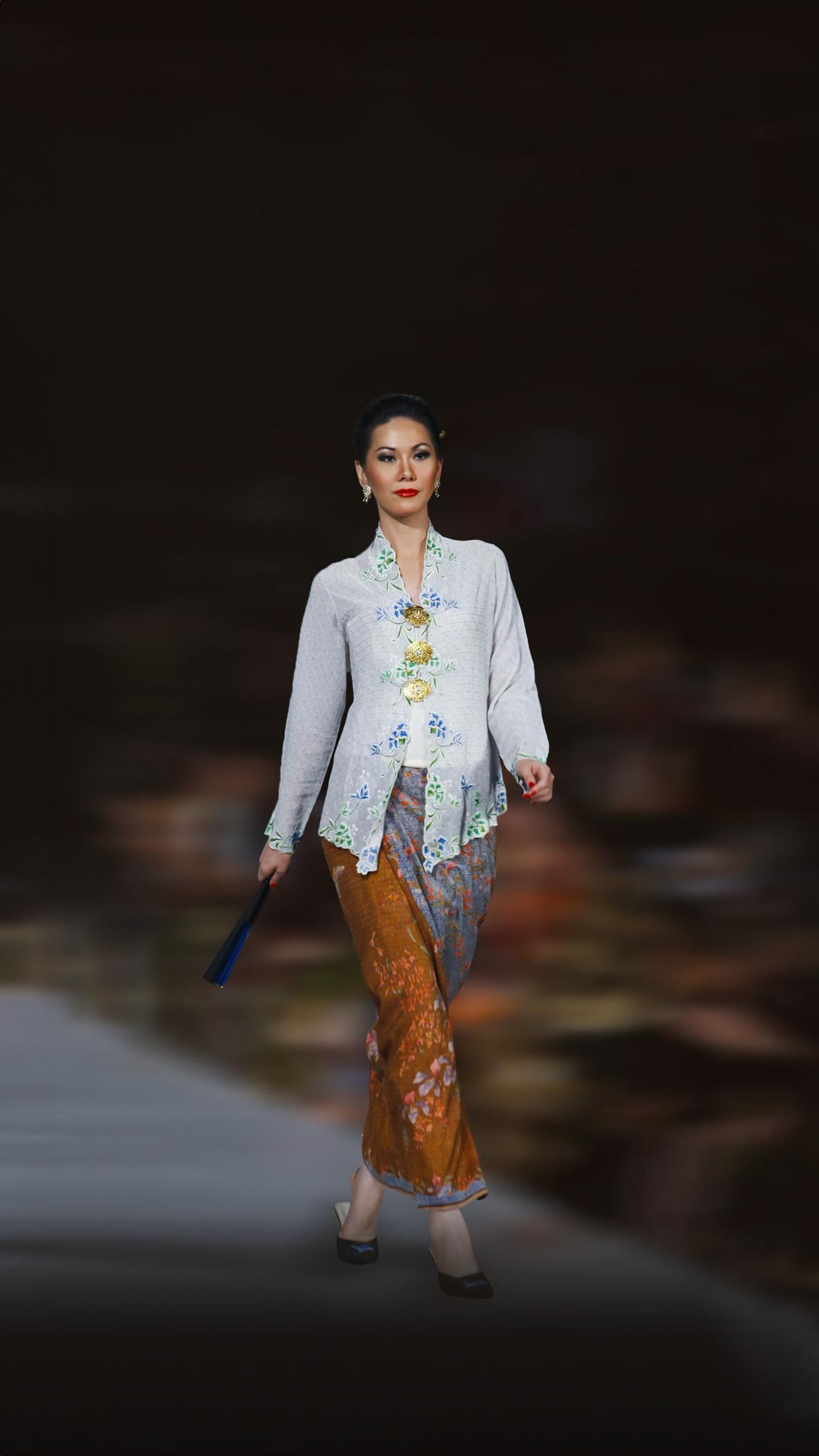
by designers who are drawing inspiration from cultural heritage, such as Anatolian weaving traditions, to create garments that are valued for their quality and longevity. For instance, Barrus, a fashion brand, presented 'The Anatolian Garden' collection at London Fashion Week, incorporating delicate textures, floral details, and traditional craftsmanship. This approach aims to preserve cultural knowledge and encourage a deeper appreciation for the work behind each garment. Additionally, brands are integrating recycled fabrics, with some collections using up to half recycled materials, and exploring innovations like nanotechnology for functional textiles. The goal is to create a more meaningful relationship between consumers and their clothing, emphasizing durability and responsible production over rapid consumption.
Why It's Important?
This movement towards sustainable fashion holds significant importance for several reasons. Environmentally, it addresses the industry's substantial impact on natural resources and waste generation by promoting the use of recycled materials and extending product lifespans. Socially, it helps preserve cultural heritage and human skills associated with traditional craftsmanship, ensuring these valuable assets are not lost in the pursuit of mass production. Economically, it encourages a shift from a disposable fashion model to one that values quality and durability, potentially leading to more stable and ethical supply chains. For consumers, it offers the opportunity to make more thoughtful choices, investing in garments that are designed to last and carry cultural significance. This paradigm shift challenges the conventional understanding of luxury, redefining it as appreciation for craftsmanship and longevity rather than mere newness.
What's Next?
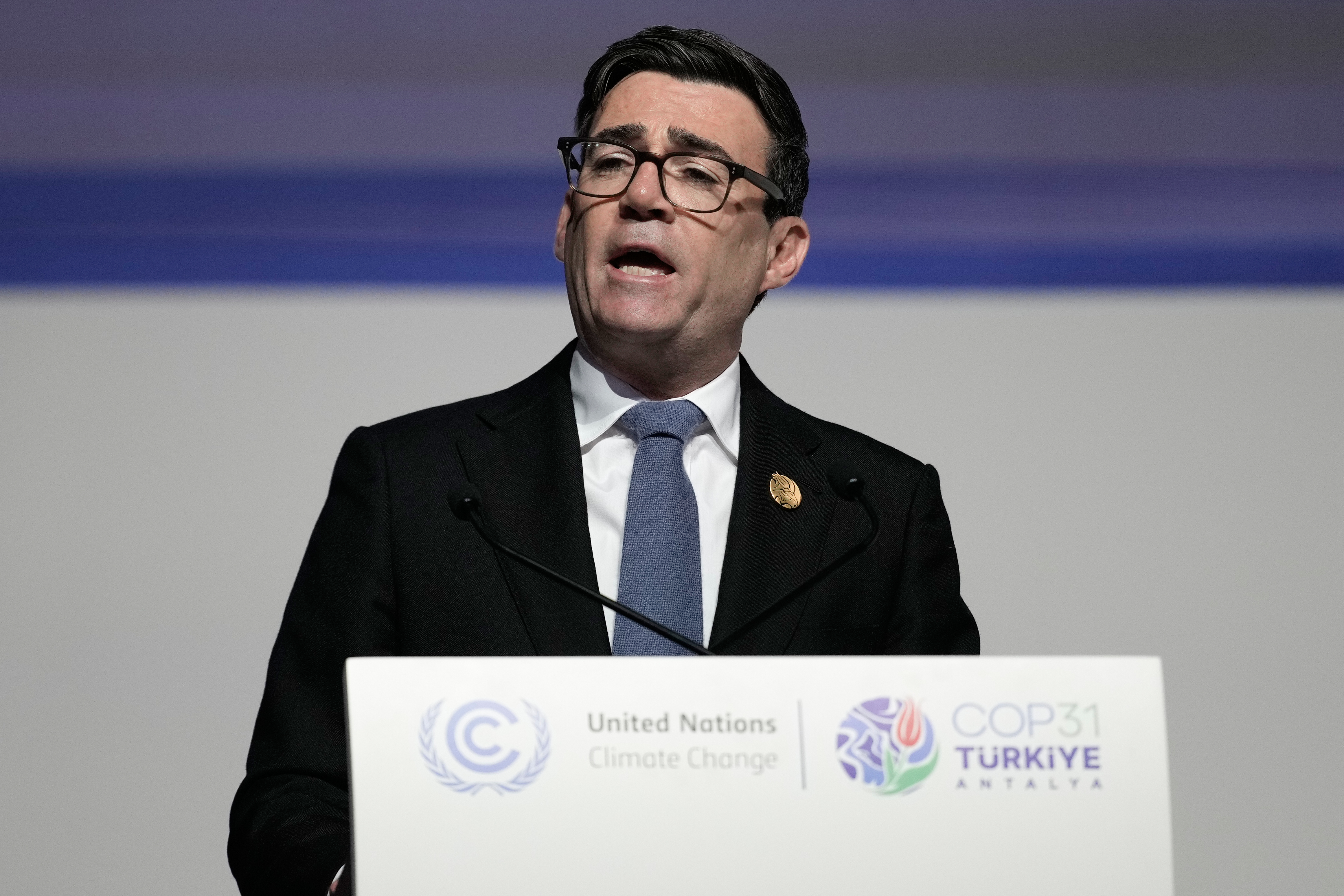
The future of fashion is expected to be defined by how intelligently resources are used, how cultural heritage is preserved, and how creativity is combined with responsibility. As global events like COP31 bring climate action to the forefront, the fashion industry is under increasing pressure to demonstrate transparent and measurable improvements in its sustainability efforts. This includes reducing unnecessary production, extending product lifespans, improving material choices, and investing in responsible manufacturing. Designers will continue to create timeless silhouettes and durable materials, while consumers are encouraged to make more thoughtful choices, care for their clothes, and appreciate craftsmanship. Small behavioral changes, multiplied across millions, are anticipated to contribute to a larger cultural transformation within the industry.
Beyond the Headlines
Beyond the immediate implications, the sustainable fashion movement touches upon deeper ethical and cultural dimensions. It challenges the prevailing consumer culture that often equates newness with desirability, encouraging a re-evaluation of what constitutes 'luxury.' By emphasizing the preservation of traditional skills and cultural stories, it highlights the intrinsic value of human artistry and heritage in an increasingly industrialized world. This shift also prompts a re-examination of the responsibility of creators, moving beyond mere aesthetics to consider the broader impact of their work. The integration of technology, while promising, also necessitates careful evaluation of its environmental impact and end-of-life implications, ensuring that innovation truly serves sustainability rather than merely offering a new form of consumption. Ultimately, this evolution in fashion reflects a broader societal trend towards conscious consumption and a more holistic understanding of value.