


What's Happening?
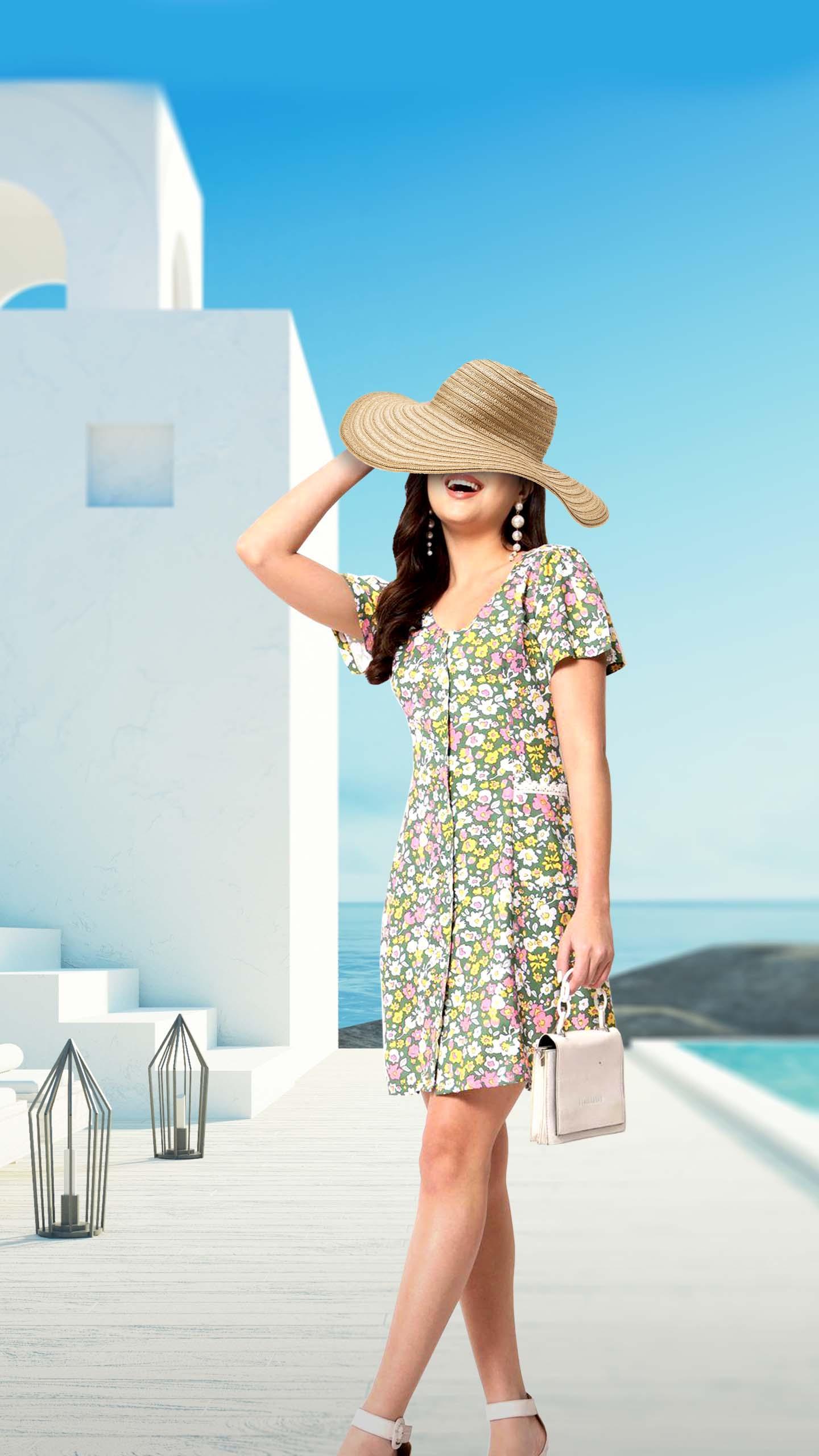
Resort wear is evolving beyond mere vacation attire, focusing on versatile pieces that blend comfort, practicality, and style for everyday use. This fashion category, traditionally associated with warm-weather
getaways, now emphasizes breathable fabrics, relaxed silhouettes, and cheerful colors that can transition seamlessly from a beachside setting to urban environments or casual daily activities. Key elements include midi dresses suitable for various occasions, swimwear designed to be layered under other garments, and accessories like colorful sandals and versatile bags that elevate an outfit. The goal is to create a 'resort capsule' wardrobe with adaptable items rather than a collection of single-use vacation-specific clothing. The trend highlights the importance of accessories in defining the mood of an outfit, with items like jelly sandals and structured totes offering both functionality and a touch of personality.
Why It's Important?
This shift in resort wear reflects a broader change in consumer behavior and fashion priorities within the U.S. market. Consumers are increasingly seeking value and longevity from their clothing, moving away from fast fashion and single-occasion purchases. The emphasis on versatility means that investments in resort wear can serve multiple purposes, extending the utility of each garment beyond a single trip. This trend also impacts the retail sector, encouraging brands to design collections that are more adaptable and less niche. For U.S. consumers, it offers a practical approach to building a wardrobe that is both stylish and functional, allowing for effortless transitions between different settings without compromising on comfort or aesthetic. The focus on quality materials and thoughtful design also aligns with growing sustainability concerns, as consumers look for pieces that can be worn repeatedly and styled in various ways.
What's Next?
Fashion brands and retailers are likely to continue adapting their resort wear collections to meet this demand for versatility and everyday applicability. We can expect to see more collaborations between designers and lifestyle brands that focus on creating multi-functional pieces. There will also be an increased emphasis on marketing resort wear not just for travel, but as a year-round category for casual and comfortable dressing. Consumers will likely find a wider array of options that blend vacation aesthetics with practical features suitable for daily life, such as easy-care fabrics and adaptable designs. The trend may also influence other fashion categories, promoting a general move towards more flexible and less rigidly defined clothing styles, encouraging a more conscious and sustainable approach to wardrobe building.
Beyond the Headlines
The evolution of resort wear signifies a deeper cultural shift towards a more relaxed and integrated lifestyle, where the boundaries between work, leisure, and travel are increasingly blurred. This trend reflects a desire for comfort and ease in all aspects of life, influencing not just fashion but also home decor, travel choices, and even work environments. Ethically, it encourages a more sustainable consumption model by promoting versatile pieces that reduce the need for excessive purchasing. Legally, it might lead to new considerations in intellectual property as designers focus on innovative, multi-functional designs. Culturally, it reinforces the idea that personal style should be effortless and adaptable, reflecting a modern approach to living that values flexibility and well-being over rigid formality. This shift could also impact the travel industry, as consumers seek destinations and experiences that align with this relaxed, versatile aesthetic.