



What's Happening?
Thom Browne showcased a design combining gold and silver in his Spring 2027 fashion collection. The collection featured a silver coat dress with a gold panel integrated into the front, merging both metallic
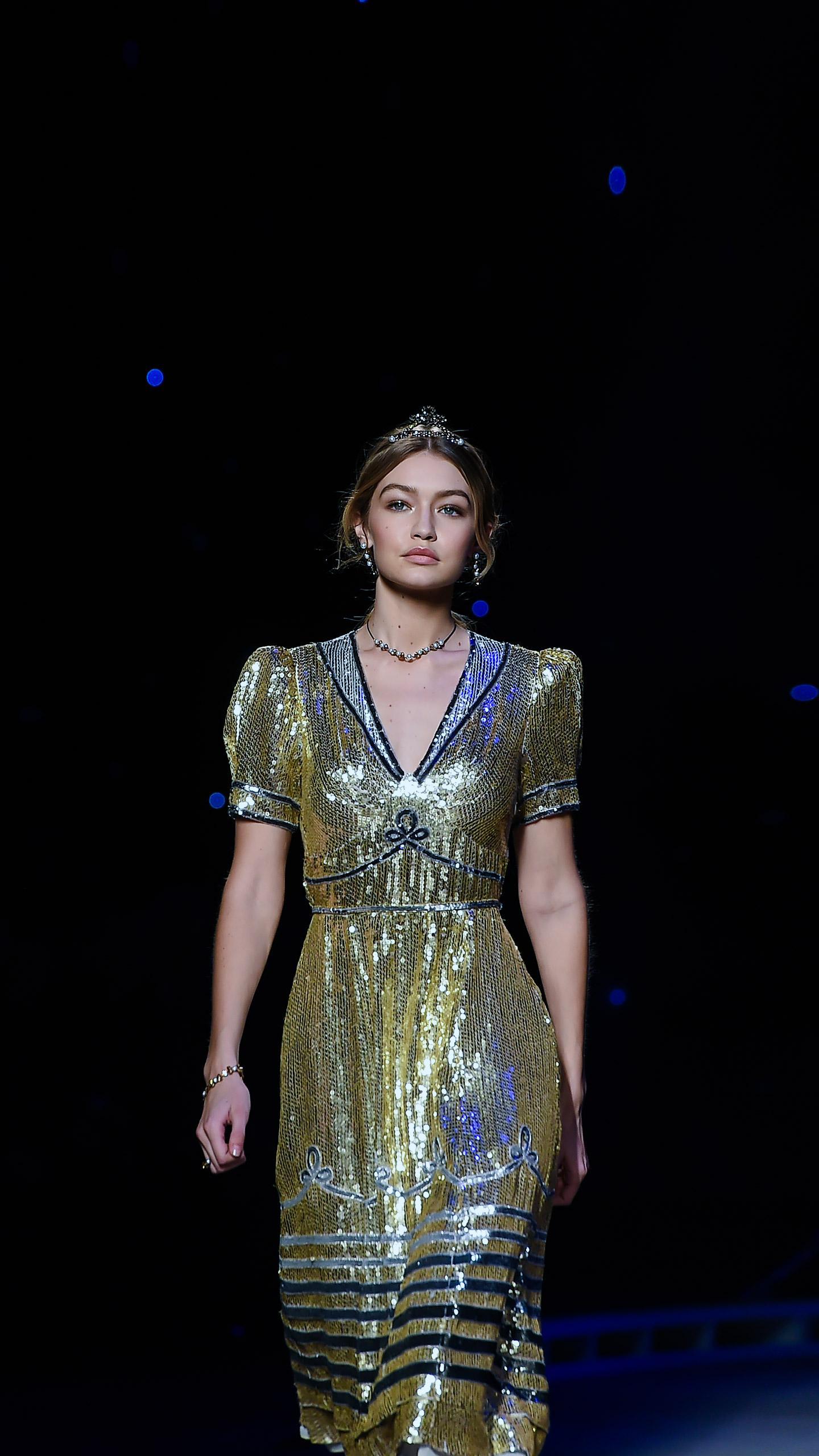
colors within a single garment. This approach utilized contrasting finishes as a core element of the garment's construction, rather than separating the two metallic shades. Other designers also incorporated metallic elements, with Fforme presenting glossy silver trousers that displayed an iridescent gold effect, creating a dynamic appearance based on lighting. The broader trend for Spring 2027 runways included prominent gold metallic designs from labels such as Saint Laurent, Ralph Lauren, and Dolce & Gabbana, extending beyond traditional jewelry to outerwear, dresses, and footwear. These collections explored various interpretations of metallic finishes, ranging from bright reflective surfaces to more muted tones, and incorporating gold in full-length garments, decorative details, and oversized jewelry.
Why It's Important?
The integration of gold and silver by Thom Browne and other designers signals a notable shift in metallic fashion trends for Spring 2027. This move away from single-tone metallic garments towards combined finishes offers consumers more diverse and complex aesthetic options. For the U.S. fashion industry, this trend could influence design directions for upcoming seasons, impacting manufacturers, retailers, and fashion marketers. The emphasis on contrasting finishes and iridescent effects suggests a demand for innovative textile treatments and material combinations, potentially driving research and development in fashion manufacturing. Furthermore, the widespread adoption of metallics across various categories, from eveningwear to outerwear, indicates a broader acceptance and versatility of these finishes, which could translate into increased sales for metallic-accented apparel and accessories in the U.S. market. This trend also highlights designers' ongoing efforts to push creative boundaries and offer novel interpretations of classic elements.
What's Next?
Following the Spring 2027 runway presentations, the designs featuring combined gold and silver metallics, as seen in Thom Browne's collection, are likely to influence upcoming fashion lines and consumer trends. Retailers and buyers in the U.S. will begin to stock collections that reflect these emerging styles, making these metallic combinations more accessible to the general public. Fashion forecasters and trend analysts will closely monitor consumer reception to these designs, which could dictate the longevity and evolution of this metallic trend. We can anticipate seeing similar mixed-metallic approaches in fast fashion adaptations and accessory lines. Additionally, the broader adoption of metallic finishes across different garment types suggests that consumers may increasingly seek out versatile metallic pieces for both formal and casual wear, prompting brands to diversify their metallic offerings beyond traditional eveningwear. The success of these collections could also encourage further experimentation with mixed materials and finishes in future seasons.
Beyond the Headlines
The trend of combining gold and silver, as exemplified by Thom Browne, reflects a deeper cultural shift towards embracing complexity and individuality in fashion. Historically, mixing metals was often considered a faux pas, but contemporary design is increasingly challenging such conventional rules. This move signifies a more fluid and experimental approach to personal style, allowing for greater creative expression. Ethically, the production of metallic fabrics and finishes can have environmental implications, depending on the materials and processes used. As these trends gain traction, there may be increased scrutiny on the sustainability practices of designers and manufacturers in creating such visually striking garments. Legally, intellectual property surrounding unique fabric treatments and design combinations could become more pertinent as designers seek to differentiate their innovative metallic offerings. Culturally, this trend could also be seen as a reflection of a desire for more opulent and statement-making fashion in a post-pandemic world, where consumers might be seeking ways to express optimism and extravagance through their attire.