
What's Happening?
Gen Z Muslim men in the USA are significantly influencing fashion by integrating traditional thobes with contemporary styles, emphasizing comfort, cultural identity, and personal expression. This evolving
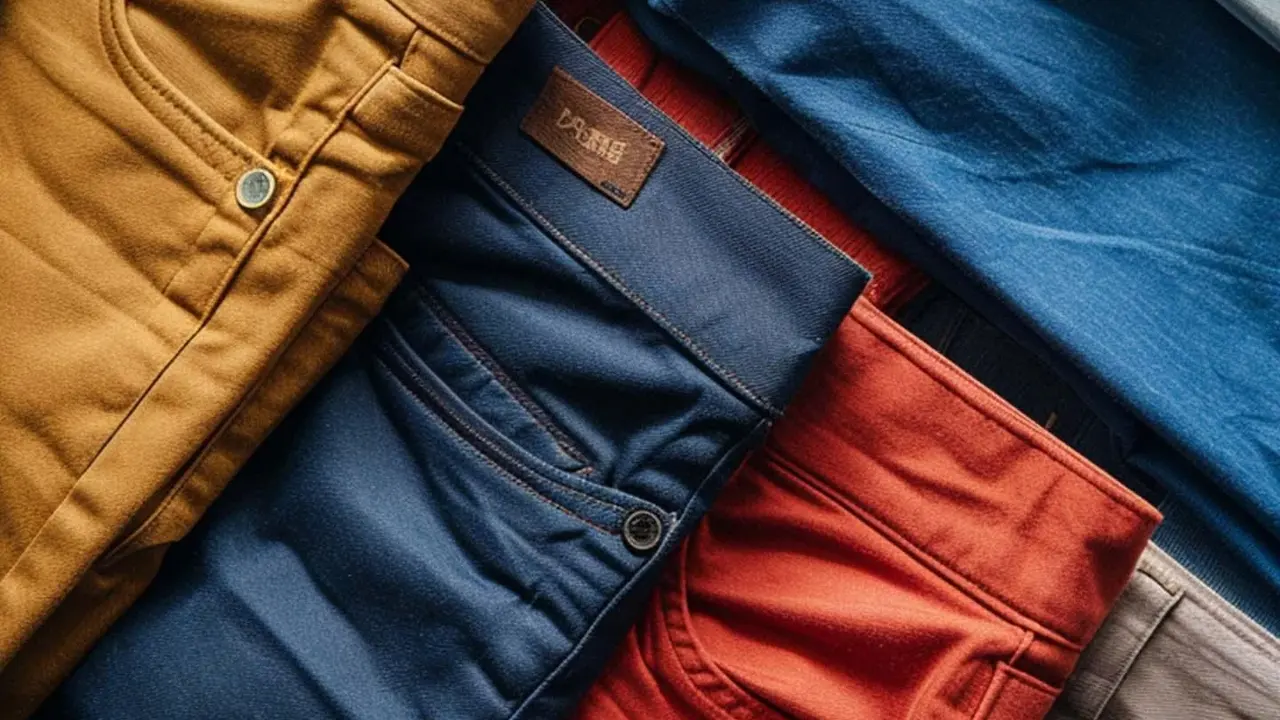
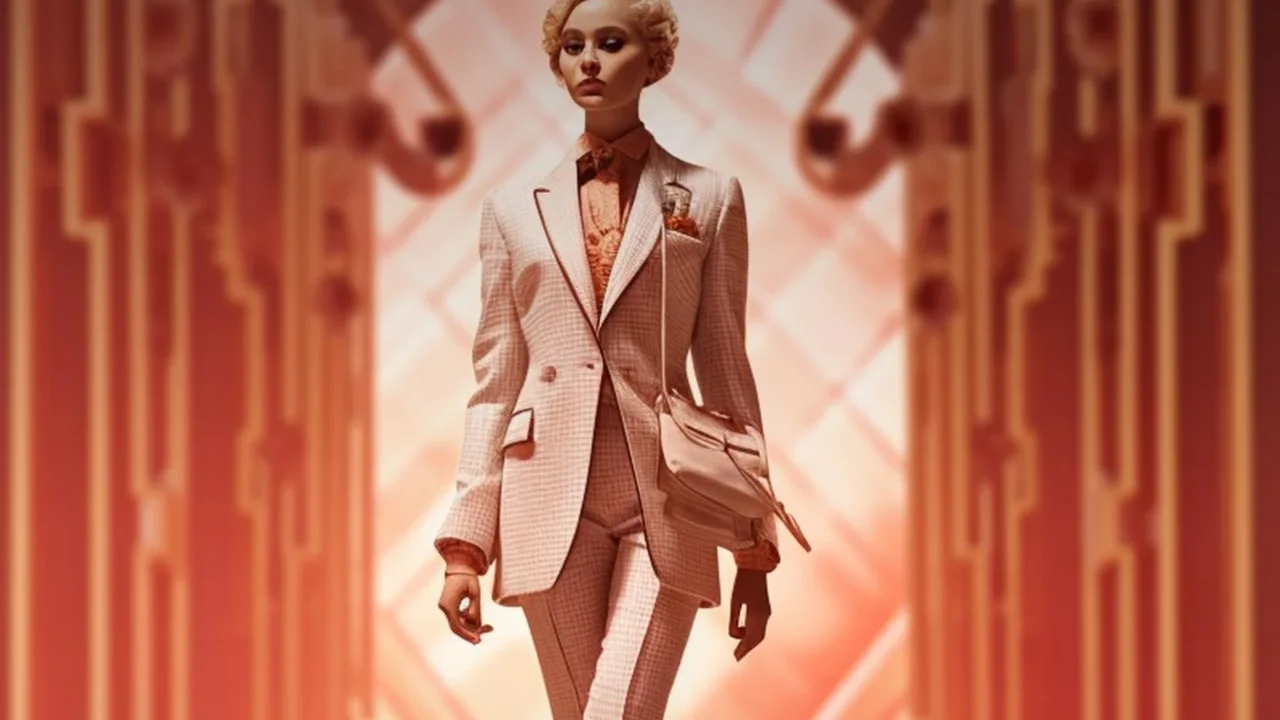
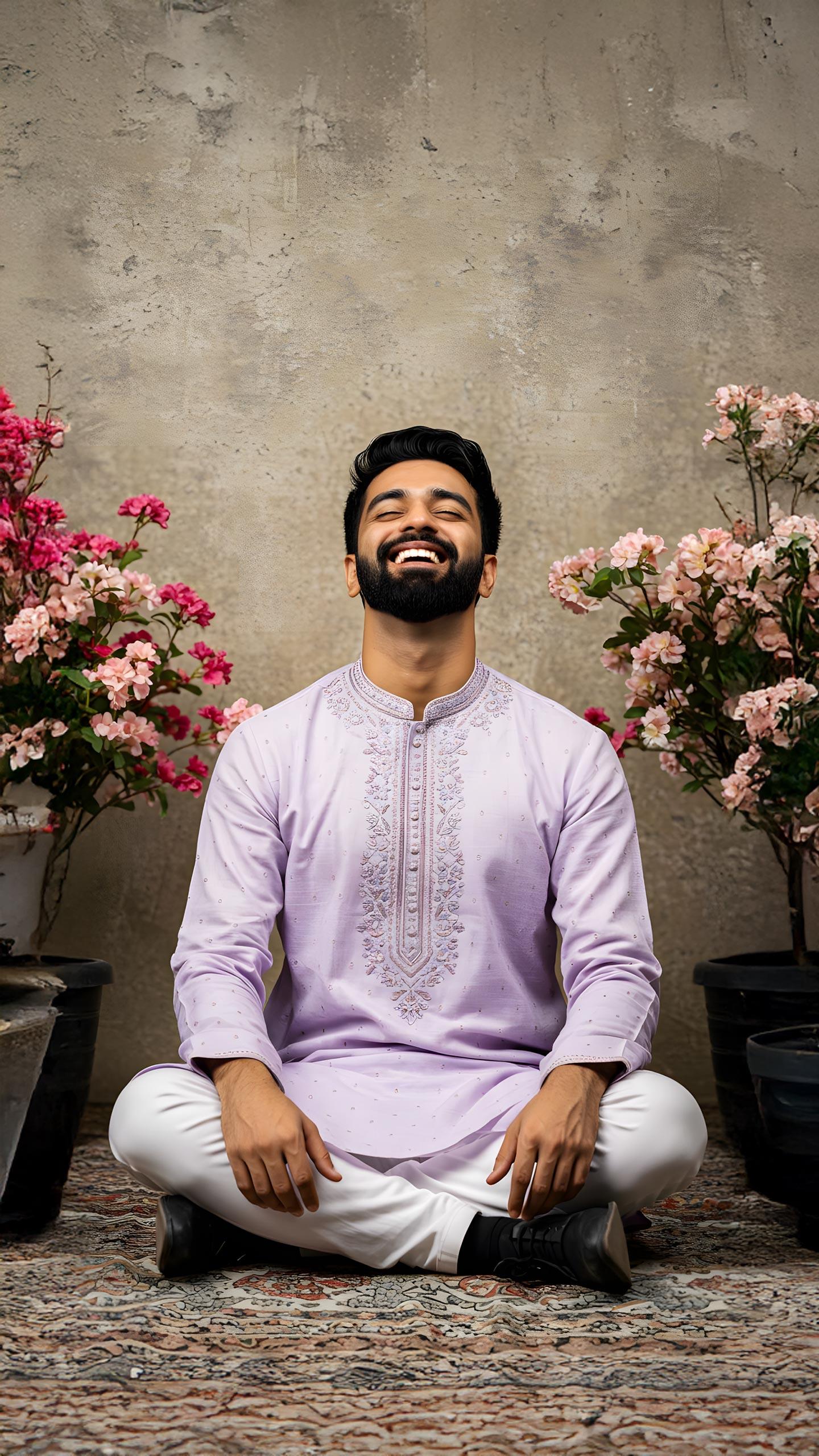
trend moves beyond rigid adherence to tradition, allowing garments like the thobe to be worn in everyday settings rather than solely for religious or special occasions. Young Muslim men are adopting a more flexible approach to modest fashion, combining traditional attire with modern elements such as sneakers and casual wear. This shift is driven by a desire to balance faith with individuality, cultural heritage with American life, and comfort with sophistication. Social media platforms play a crucial role in this evolution, exposing young Muslims to global fashion trends and diverse interpretations of Muslim attire, enabling them to curate personal styles that reflect their multifaceted identities. The movement highlights a blend of minimalism, comfort, and versatility in their fashion choices, moving away from excessive logos and complicated patterns towards clean silhouettes and neutral colors.
Why It's Important?
This shift in Muslim men's fashion among Gen Z in the USA is important as it reflects broader cultural integration and evolving identity within a significant demographic. It demonstrates how younger generations are navigating their heritage and faith within a modern, multicultural society, creating a unique sartorial language. For the fashion industry, this trend signals a growing market for versatile, modest, and culturally resonant clothing that caters to diverse needs. Brands that understand and adapt to this demand for comfort, minimalism, and cultural authenticity will likely gain significant traction. Furthermore, it challenges traditional notions of fashion by proving that tradition and modernity can coexist and even enhance each other, fostering a more inclusive and diverse fashion landscape. This evolution also underscores the power of social media in shaping consumer preferences and accelerating cultural shifts in fashion.
What's Next?
The future of Muslim men's fashion in the USA is expected to be characterized by increased diversity, personalization, and global connectivity. Brands will likely continue to innovate, offering traditional garments with modern adaptations in terms of fabric, color, sleeve style, and fit to meet the demands of this demographic. The thobe's role is anticipated to expand further, becoming a staple for various occasions beyond religious events. Designers and retailers will need to recognize that Muslim men are not a monolithic market but rather individuals seeking options that reflect their values, personality, and lifestyle. This will lead to a greater variety of modest fashion choices that are both sophisticated and comfortable, catering to different seasons and occasions. The ongoing influence of social media will continue to drive global inspiration and personal style development within this community.
Beyond the Headlines
The reimagining of Muslim men's fashion by Gen Z in the USA carries deeper implications beyond mere clothing choices. It signifies a broader cultural phenomenon where identity is fluid and layered, allowing individuals to embrace multiple facets of their heritage and contemporary life without contradiction. This movement challenges the notion that tradition must be static, instead presenting it as a dynamic element that can adapt and thrive in a modern context. Ethically, it promotes inclusivity and representation within the fashion industry, encouraging a more nuanced understanding of diverse consumer needs. Culturally, it reinforces the idea that clothing can be a powerful form of self-expression and a visible marker of identity, community, and values. This evolution suggests a long-term shift towards a more personalized and culturally integrated approach to fashion, where individuals curate styles that authentically represent their complex identities.