

What's Happening?
Bianca Censori, head of architecture at Yeezy, was recently photographed shopping at Williams Sonoma in Los Angeles wearing a long-sleeved brown zip-front bodysuit with elbow pads and sheer, snakeskin-patterned
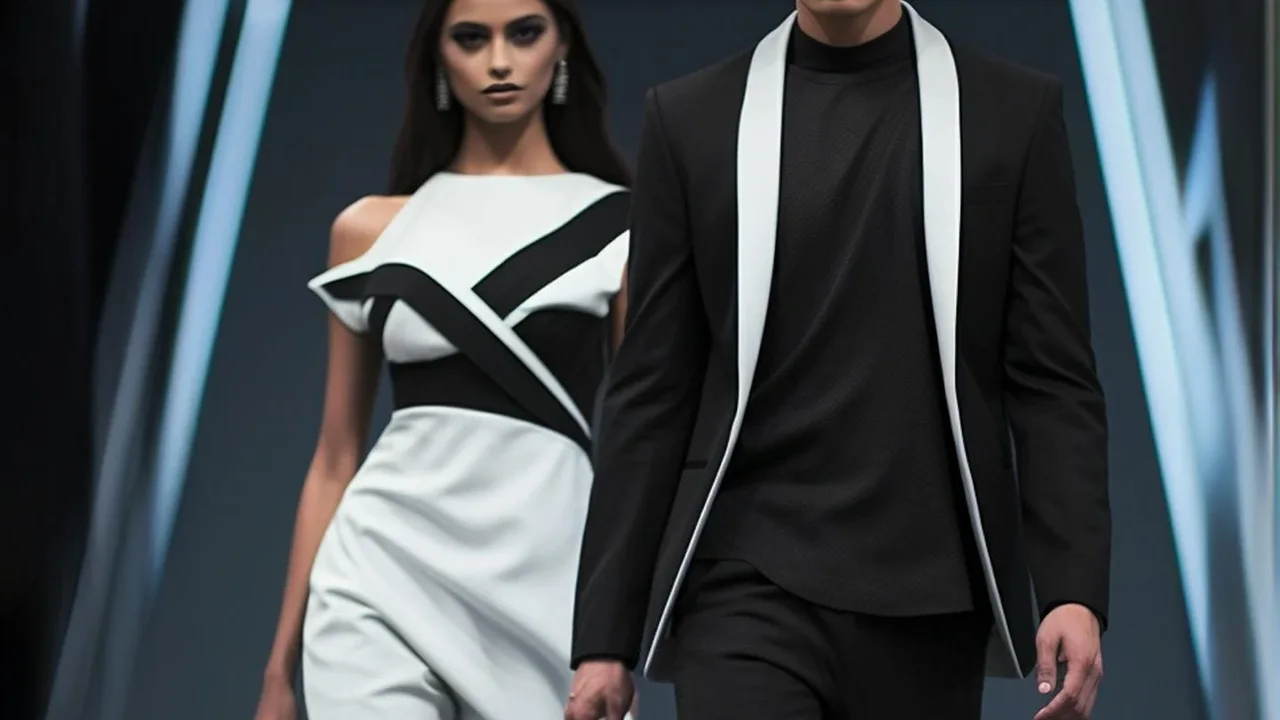
knee-high boots. The outfit, which left her trouserless, quickly garnered significant public attention and sparked widespread discussion on social media platforms like Threads and X. Many comments focused on the unconventional nature of her attire for a public shopping trip, with some users questioning her choice of clothing and others making jokes about the context. The incident highlights a growing trend in fashion, observed since spring 2023 collections from brands like Bottega Veneta and Miu Miu, where trouserless styling has become more prevalent on runways and red carpets. However, Censori's appearance in a casual shopping setting, rather than a fashion event, appears to have amplified public reaction and scrutiny. Despite the public focus on her fashion choices, Censori holds architecture degrees from the University of Melbourne and has an established career in architecture and design, having started at Yeezy in 2020.
Why It's Important?
This event is important as it underscores the ongoing tension between evolving fashion trends and established social norms, particularly in public spaces. The strong public reaction to Censori's outfit, despite similar styles being showcased by high-fashion brands and celebrities at events, reveals a societal discomfort when avant-garde fashion deviates from expected attire in everyday settings. It prompts a discussion about the boundaries of personal expression through clothing and the unwritten rules governing dress codes in different social contexts. The incident also highlights the power of social media in amplifying public discourse and scrutiny over celebrity appearances, often leading to rapid and widespread commentary. Furthermore, it subtly touches upon class dynamics, with some comments drawing parallels between Censori's outfit and 'going to the supermarket in pajamas but for rich people,' suggesting a perception of privilege influencing fashion choices and their reception. The public's focus on her attire also risks overshadowing her professional identity and achievements in architecture.
What's Next?
The public discussion surrounding Bianca Censori's fashion choices is likely to continue, contributing to the broader conversation about contemporary fashion, celebrity influence, and societal expectations regarding dress. As fashion continues to push boundaries, similar incidents may arise, further challenging traditional notions of appropriate attire in public. Designers and brands may continue to explore and normalize trouserless or similarly unconventional styles, potentially leading to a gradual shift in public acceptance over time. For individuals in the public eye, such events underscore the constant scrutiny they face and the potential for their personal style to become a subject of widespread debate. It also highlights the ongoing challenge for public figures to balance personal expression with public perception, especially when their choices diverge significantly from conventional norms.
Beyond the Headlines
Beyond the immediate reactions to Bianca Censori's outfit, this event touches upon deeper cultural and ethical considerations regarding body image, gender, and the male gaze in public discourse. The intense focus on a woman's clothing, particularly when it is perceived as revealing or unconventional, often reflects underlying societal attitudes towards female bodies and their presentation. It raises questions about who dictates fashion norms and the extent to which individuals, especially women, are judged based on their appearance. The discussion also implicitly explores the concept of 'performance' in public life, where celebrity figures are often seen as constantly 'on display,' and their choices, even in mundane settings, are interpreted as deliberate statements. Ethically, the widespread commentary, sometimes critical or mocking, raises questions about online civility and the impact of public shaming on individuals. Culturally, it reflects a dynamic interplay between high fashion, celebrity culture, and everyday life, where trends from the runway slowly filter into public consciousness, often with varying degrees of acceptance and controversy.