


What's Happening?
Fashion lovers are increasingly adopting strategies to maintain their style amidst tight budgets, focusing on resourceful methods rather than new purchases. Key recommendations include 'shopping' one's
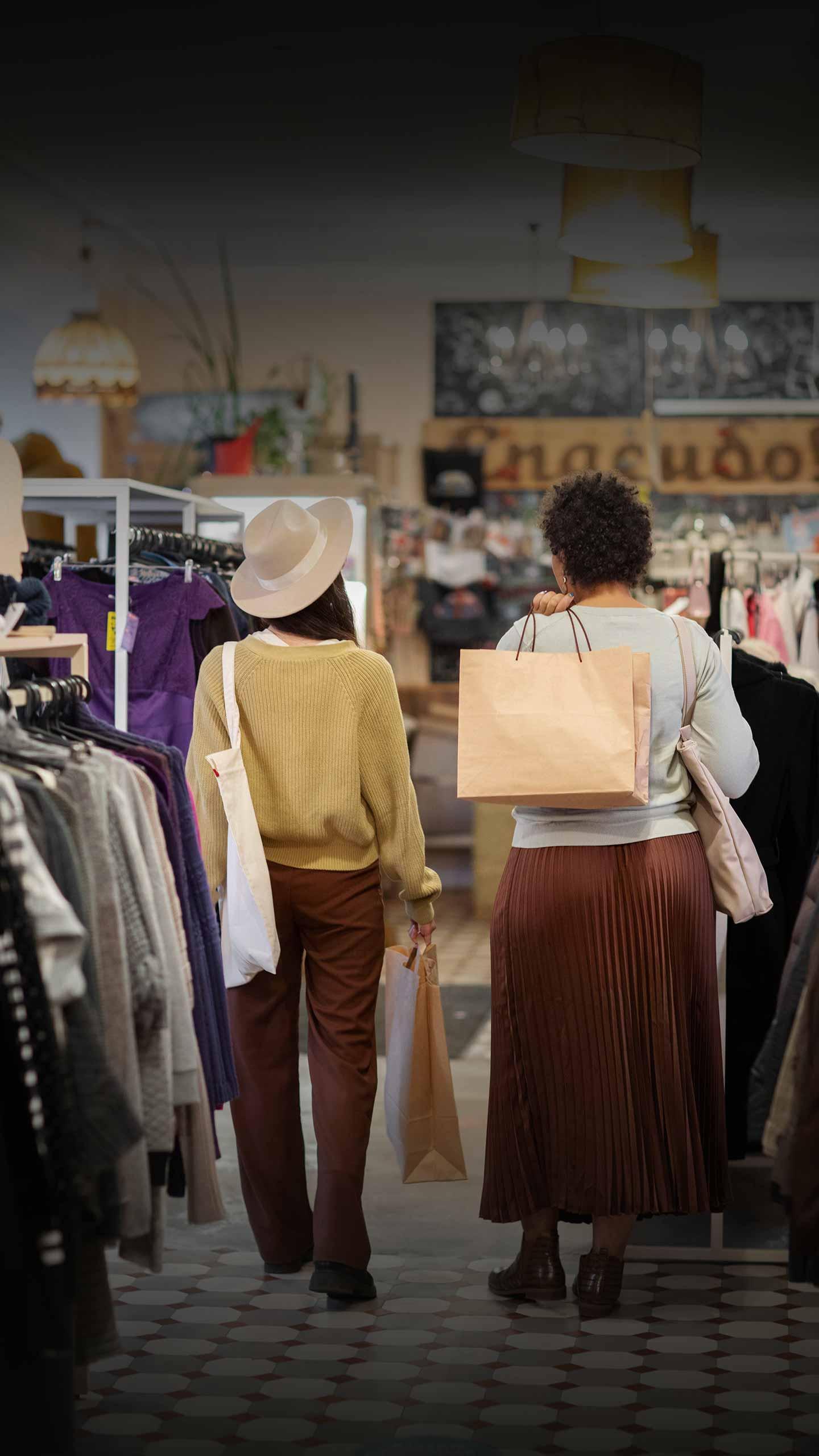
own closet by restyling and re-layering existing pieces, drawing inspiration from current fashion coverage to rebuild outfits from what is already owned. A significant trend gaining traction is second-hand shopping, which is not only budget-friendly but also valued for the proven quality and extended lifespan of garments. This approach allows individuals to refresh their wardrobes without incurring significant expenses, emphasizing creativity and sustainability in fashion choices. The focus is on making thoughtful decisions and building a curated wardrobe over time, rather than impulsive buying.
Why It's Important?
This shift in consumer behavior has significant implications for the U.S. retail and fashion industries. The growing preference for second-hand shopping and wardrobe restyling challenges traditional fast fashion models, potentially leading to a decrease in demand for new, mass-produced clothing. This trend encourages a more sustainable approach to fashion, aligning with broader environmental concerns and consumer desires for ethical consumption. For businesses, it highlights the need to adapt by either embracing the resale market, promoting durable and timeless pieces, or offering services that support wardrobe longevity. It also empowers consumers by providing accessible ways to stay fashionable, reducing financial pressure while fostering personal style and creativity.
What's Next?
The emphasis on budget-conscious and sustainable fashion is expected to continue growing, influencing both consumer habits and industry practices. We may see an expansion of second-hand marketplaces, consignment stores, and rental services, offering more diverse and accessible options for fashion enthusiasts. Brands might also increasingly focus on the quality and versatility of their products, encouraging consumers to invest in pieces that can be styled in multiple ways and last longer. Educational content on styling existing wardrobes and making informed purchasing decisions is likely to become more prevalent, further empowering consumers to navigate fashion on a budget. This trend could also lead to a greater appreciation for vintage and unique items, fostering a more individualized approach to style.
Beyond the Headlines
Beyond the immediate financial and retail impacts, the movement towards budget-friendly and sustainable fashion reflects a deeper cultural shift. It challenges the notion that staying fashionable requires constant new consumption, promoting a more mindful and creative relationship with clothing. This approach can foster a sense of personal accomplishment and individuality, as people learn to express their style through clever combinations and unique finds rather than simply following trends dictated by new releases. It also underscores a growing awareness of the environmental footprint of the fashion industry, encouraging practices that reduce waste and extend the life cycle of garments. This evolution in fashion consumption could contribute to a broader societal reevaluation of value, moving beyond mere price to encompass quality, longevity, and ethical considerations.