







What's Happening?
Major UK supermarkets have expressed strong opposition to a proposal from the Treasury to introduce voluntary price caps on staple groceries. The plan aims to alleviate the cost-of-living pressures by encouraging retailers to freeze prices on essential
items like bread, milk, eggs, and butter. In exchange, supermarkets might receive regulatory concessions, such as eased packaging policies. However, retailers argue that the plan could inadvertently increase costs across the broader shopping basket. A supermarket executive labeled the proposal as 'completely mad,' while another industry source criticized it as an 'unnecessary, unwanted, and unjustified intervention in the market.' The Treasury hopes that savings from reduced policy costs would be reinvested to maintain low grocery prices. Despite discussions, no formal request has been made to control prices, and the complexity of implementing such a policy raises concerns about potential unintended consequences for consumers.
Why It's Important?
The proposed price cap plan is significant as it highlights the ongoing struggle to balance consumer protection with market dynamics amid rising living costs. If implemented, the plan could potentially lower prices for essential goods, providing relief to households. However, supermarkets warn that the policy might lead to increased costs elsewhere, affecting non-essential items that some families rely on. The British Retail Consortium argues that the UK already benefits from competitive grocery pricing and suggests that the government should focus on reducing existing cost pressures, such as taxes and energy costs, rather than imposing price controls. The outcome of this proposal could set a precedent for government intervention in the retail sector, impacting how future economic challenges are addressed.
What's Next?
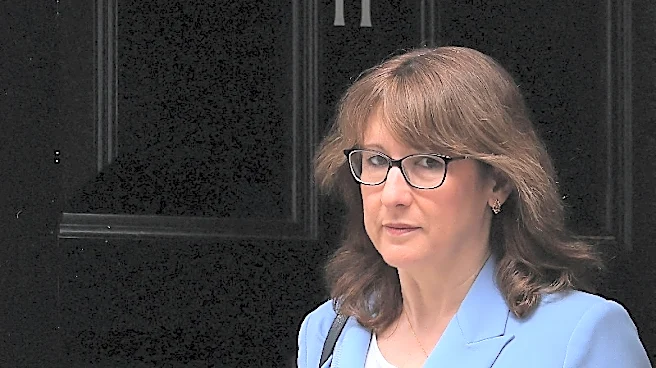
Chancellor Rachel Reeves is expected to announce further cost-of-living measures soon, although no agreement has been reached on the grocery price caps. The Treasury is exploring a voluntary price freeze rather than a mandatory cap, and discussions with supermarket bosses are ongoing. The government is also preparing to enhance regulatory powers to address unfair price increases during market disruptions. These measures could include allowing regulators to share intelligence more quickly and publicly naming companies that unjustifiably raise profit margins during crises. The response from supermarkets and the effectiveness of these measures will be closely watched as the government seeks to mitigate the impact of global instability on food prices.