



What's Happening?
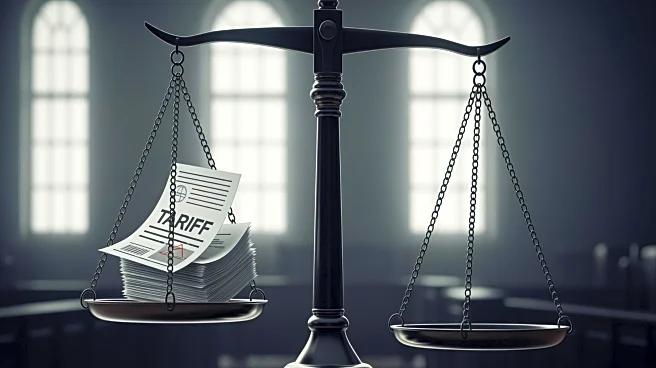
The U.S. Supreme Court recently invalidated tariffs imposed under the International Emergency Economic Powers Act, leading to potential refunds of approximately $170 billion. This decision has prompted downstream purchasers, such as distributors and retailers,
to seek a share of these refunds. However, legal challenges arise due to antitrust precedents that limit refund claims to the importers of record who directly paid the tariffs. The Supreme Court's decision did not specify a remedy for tariffs already collected, leaving importers to pursue administrative relief and legal action to recover funds. Downstream purchasers argue that they bore the economic burden of the tariffs through increased prices, but face significant legal hurdles in proving their claims.
Why It's Important?
The Supreme Court's ruling has significant implications for U.S. trade policy and the legal landscape surrounding tariff refunds. Importers of record stand to benefit from potential refunds, while downstream purchasers face challenges in claiming a share. This situation highlights the complexities of tracing economic impacts through supply chains and the limitations of current legal frameworks. The decision underscores the importance of clear legislative guidelines for tariff imposition and refund processes, impacting businesses across various sectors. The outcome of ongoing legal actions could set precedents for future tariff-related disputes and influence U.S. trade practices.
What's Next?
As importers of record pursue refunds through administrative and legal channels, downstream purchasers may continue to seek legal avenues to claim a share of the refunds. The resolution of these disputes could lead to further legal clarifications on the applicability of antitrust principles to tariff refund cases. Additionally, the decision may prompt legislative efforts to address gaps in the current tariff refund framework, potentially influencing future trade policies and economic strategies.