






What's Happening?
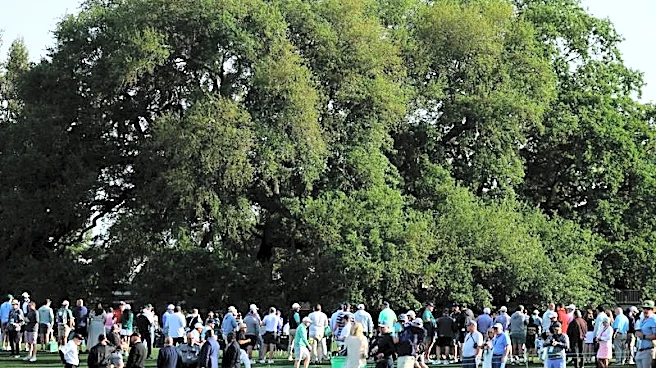
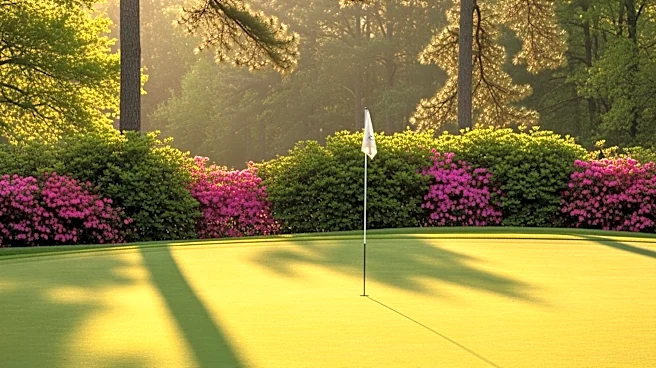
Augusta homeowners are being guided on how to achieve a lawn comparable to the Augusta National Golf Club, famous for hosting the Masters Tournament. The Augusta Chronicle outlines essential spring lawn care practices, emphasizing the importance of starting
with a thorough cleanup to remove winter debris such as fallen branches and dead grass. This cleanup allows sunlight and air to reach the soil, promoting healthy growth. Homeowners are advised to check for bare patches and signs of pests early in the season to prevent larger issues. Common pests in Georgia include beetle larvae, caterpillars, chinch bugs, and mosquitoes. The article also highlights the significance of soil testing, which is available through local University of Georgia Extension offices, to manage nutrients effectively without overusing fertilizers or pesticides. Choosing the right type of turfgrass based on environmental conditions can reduce maintenance needs, while proper timing in applying pre-emergent herbicides is crucial for effective weed control.
Why It's Important?
The advice provided is significant for homeowners aiming to maintain aesthetically pleasing and healthy lawns, which can enhance property value and community appeal. By following these guidelines, residents can avoid common lawn care pitfalls such as over-fertilization and improper pest control, which can lead to environmental harm and increased maintenance costs. The emphasis on soil testing and appropriate turfgrass selection reflects a growing awareness of sustainable gardening practices. This approach not only benefits individual homeowners but also contributes to broader environmental health by reducing chemical runoff and conserving water resources. The guidance aligns with a trend towards environmentally responsible landscaping, which is increasingly important in areas like Georgia, where climate conditions can challenge traditional lawn care methods.
What's Next?
Homeowners are encouraged to engage with local extension services for soil testing and further advice tailored to their specific lawn conditions. As the season progresses, they may need to adjust their lawn care strategies based on weather patterns and pest activity. The ongoing partnership between local media and extension services suggests a continued focus on educating the public about sustainable lawn care practices. This initiative could lead to more community workshops or informational campaigns aimed at promoting environmental stewardship among residents.
Beyond the Headlines
The push for 'Masters' level lawns in Augusta highlights a cultural appreciation for pristine landscapes, often associated with prestige and community pride. However, it also raises questions about the environmental impact of maintaining such high standards, particularly in terms of water usage and chemical inputs. The advice to choose turfgrass that naturally goes dormant in winter suggests a shift towards accepting seasonal changes in lawn appearance, which could reduce the environmental footprint of lawn care. This perspective encourages a broader acceptance of natural lawn cycles and a move away from the expectation of year-round greenery.