





What's Happening?
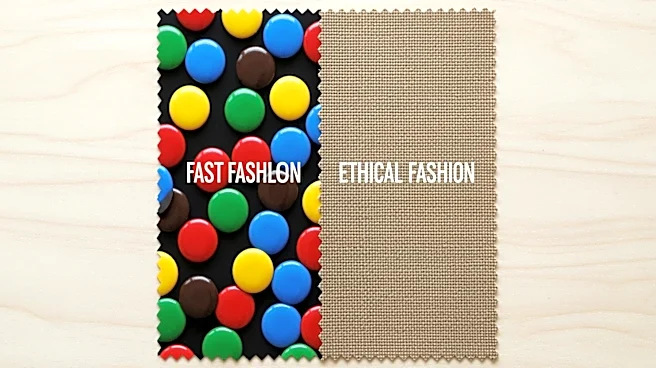
Shein, a major player in the ultra-fast fashion industry, has confirmed its acquisition of a majority stake in Everlane, a company known for its commitment to sustainable fashion. The acquisition is from L Catterton, a private equity firm backed by LVMH,
for an undisclosed amount, pending regulatory approval. This move follows L Catterton's efforts to find an investor to address Everlane's $90 million debt, which includes a $25 million loan from Gordon Brothers and a $65 million revolving credit line. Everlane's CEO, Alfred Chang, has assured employees that the company will maintain its design standards and values, despite the change in ownership. The acquisition has sparked discussions about the future of sustainable fashion, as Everlane has been a symbol of the movement towards more ethical consumerism.
Why It's Important?
The acquisition of Everlane by Shein is significant as it highlights the challenges faced by sustainable fashion brands in maintaining financial viability while adhering to ethical practices. Everlane's sale underscores the limitations of relying solely on consumer behavior to drive sustainability in the fashion industry. The partnership with Shein, known for its data-driven, on-demand supply chain, could potentially enhance Everlane's operational efficiency and market reach. However, it also raises concerns about the alignment of Everlane's sustainability goals with Shein's business model, which has been criticized for contributing to overproduction and environmental impact. This development could influence the broader fashion industry's approach to sustainability, emphasizing the need for systemic changes rather than isolated efforts.
What's Next?
As the acquisition moves forward, regulatory approval will be a critical step. If approved, Everlane will continue to operate independently, with its leadership team intact, while leveraging Shein's resources to expand its market presence. The partnership may lead to increased investment in product innovation and sustainability initiatives. Industry observers will be watching to see how Everlane integrates into Shein's supply chain and whether this collaboration can genuinely reduce environmental impact. The outcome of this acquisition could set a precedent for future partnerships between fast fashion and sustainable brands, potentially reshaping industry standards and consumer expectations.
Beyond the Headlines
The acquisition raises ethical questions about the balance between financial sustainability and environmental responsibility. Everlane's decision to partner with Shein, despite its controversial reputation, highlights the complexities faced by brands striving for sustainability in a competitive market. This development may prompt a reevaluation of what constitutes sustainable fashion and the role of large corporations in driving industry-wide change. It also underscores the importance of political and regulatory action in supporting sustainable practices, as consumer-driven efforts alone may not suffice to achieve meaningful environmental progress.