







What's Happening?
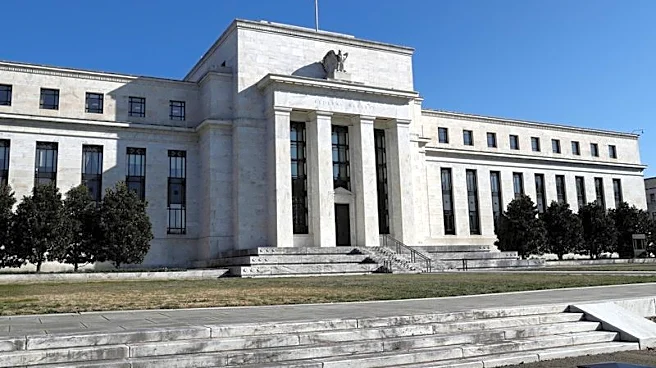
The Federal Reserve Bank of San Francisco's Twelfth District Beige Book for May 2026 highlights moderate price increases driven by higher fuel costs due to the ongoing conflict in the Middle East. The report notes that transportation and shipping costs have
risen across most sectors, with tariff-related input cost increases particularly affecting steel. Food service businesses are facing higher prices for ingredients, while costs for technology services, event staffing, and insurance have also increased. Some businesses have managed to push back against supplier cost increases, while others in sectors like transportation, hospitality, retail, and manufacturing have passed these costs onto customers. Manufacturing activity has strengthened somewhat, with stable or increased demand for commercial vehicles and capital equipment. However, cost increases for raw materials, energy, and shipping continue to pose challenges.
Why It's Important?
The Beige Book's findings underscore the broader economic impact of geopolitical tensions in the Middle East, particularly on fuel prices and transportation costs. These developments have significant implications for U.S. businesses, affecting their operational costs and pricing strategies. The report highlights the strain on sectors reliant on transportation and shipping, which could lead to increased consumer prices and affect demand. Additionally, the manufacturing sector's response to cost pressures reflects broader economic uncertainty, influencing capital spending decisions. The report's insights into retail and service demand provide a snapshot of consumer behavior, with stable demand for necessities contrasting with weakened demand for discretionary items.
What's Next?
The ongoing conflict in the Middle East and its impact on fuel prices may continue to influence U.S. economic conditions. Businesses may need to adapt their pricing strategies and operational plans to mitigate cost increases. The Federal Reserve's monitoring of these developments will be crucial in assessing future economic stability and potential policy responses. Stakeholders in affected sectors, such as transportation and manufacturing, may seek alternative strategies to manage costs and maintain competitiveness. The Beige Book's insights could inform policymakers and business leaders as they navigate these challenges.
Beyond the Headlines
The Beige Book's findings highlight the interconnectedness of global geopolitical events and domestic economic conditions. The impact of Middle East tensions on fuel prices illustrates the vulnerability of U.S. businesses to external shocks. This situation may prompt discussions on energy independence and diversification strategies to reduce reliance on volatile regions. Additionally, the report's insights into community conditions, such as increased demand for basic needs and housing support, reflect broader societal challenges exacerbated by economic pressures. These developments may influence public policy discussions on social support systems and economic resilience.