




What's Happening?
Gallery 1988, a renowned pop culture-focused art gallery in Los Angeles, is closing its doors after 20 years of operation. The gallery, which opened in 2004, was known for its unique exhibitions that celebrated television, film, and video games. Despite
efforts to maintain an online presence after closing its physical location on Melrose, the gallery's owner, Katie Sutton, cited the current art market as the worst in over two decades, leading to the decision to close. The gallery was famous for its 'Crazy 4 Cult' shows and collaborations with major studios for art campaigns around popular franchises like 'The Avengers' and 'Star Wars.' The closure reflects broader challenges in the art industry, with other galleries in Los Angeles also struggling or closing.
Why It's Important?
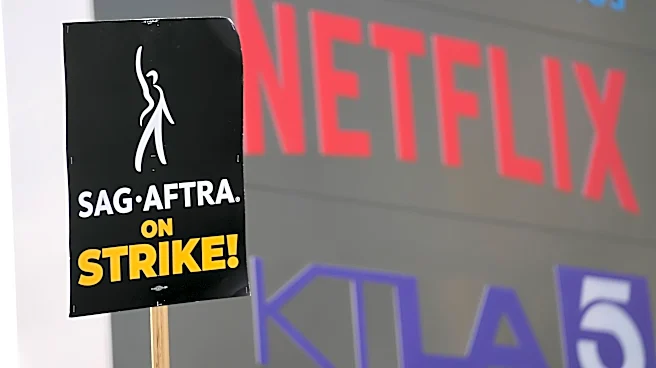
The closure of Gallery 1988 highlights significant challenges facing the art industry, particularly those related to the rise of AI-generated content and the contraction of the entertainment industry. As AI becomes more prevalent, it potentially devalues original art, impacting sales and the viability of galleries that rely on pop culture themes. The entertainment industry's struggles, with fewer movies being released and a shift in production locations, have reduced disposable income among key clientele, such as directors and producers, who were major patrons of the gallery. This situation underscores a broader economic impact on artists and galleries, as traditional revenue streams diminish and competition from digital platforms increases.
What's Next?
The closure of Gallery 1988 may prompt other galleries to reassess their business models and explore new ways to engage with audiences. Artists who relied on the gallery for exposure and sales will need to find alternative platforms to showcase their work. The art community may see a shift towards more digital and online exhibitions as a way to reach a global audience. Additionally, the industry might advocate for policies or initiatives to support artists and galleries in adapting to the changing landscape influenced by technology and economic shifts.
Beyond the Headlines
The situation with Gallery 1988 also raises questions about the cultural value of art in an increasingly digital world. As AI-generated content becomes more common, the definition of art and its appreciation may evolve, challenging traditional notions of creativity and originality. This could lead to a cultural shift in how art is consumed and valued, potentially affecting the livelihoods of artists who rely on traditional methods. The closure also reflects a broader trend of economic pressures on creative industries, prompting discussions about the sustainability of art as a profession in the modern economy.