
What's Happening?
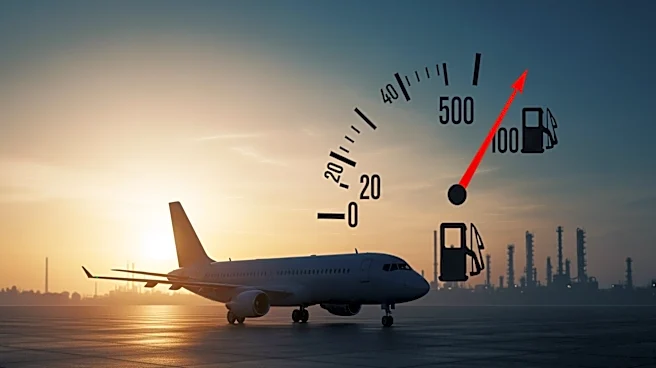
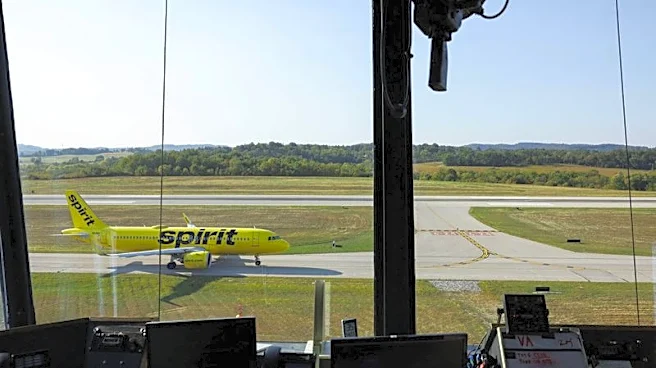
Spirit Airlines has announced its closure after 34 years in operation, attributing the decision to unsustainable high oil prices exacerbated by the ongoing conflict in the Middle East. The airline, known
for its ultra-low-cost model, has ceased all flights and begun an orderly wind-down of operations. This move affects approximately 17,000 employees and leaves budget-conscious travelers, particularly in areas like Las Vegas and Florida, without a low-cost travel option. The airline had previously filed for bankruptcy twice and was unable to secure a government bailout or a merger with JetBlue due to antitrust concerns. The Trump administration had considered a bailout, but it did not materialize.
Why It's Important?
The shutdown of Spirit Airlines marks a significant shift in the U.S. airline industry, particularly affecting the low-cost travel segment. The closure is expected to reduce competition, potentially leading to higher airfares. The loss of 17,000 jobs will have a substantial impact on the workforce, particularly in regions where Spirit had a strong presence. The situation also highlights the vulnerability of airlines to fluctuating oil prices and geopolitical tensions, which can severely impact operational costs and financial stability. The failure to secure a merger or bailout underscores the challenges faced by airlines in navigating regulatory and economic landscapes.
What's Next?
In the immediate future, Spirit Airlines will focus on selling its assets, including aircraft and spare parts, to settle its debts. Other airlines are stepping in to offer discounted fares to stranded Spirit passengers and are providing job opportunities to affected Spirit employees. The broader airline industry may see shifts as competitors adjust to fill the void left by Spirit, potentially leading to strategic mergers or expansions by other low-cost carriers. Regulatory bodies may also face pressure to reassess antitrust policies in light of the reduced competition in the market.