






What's Happening?
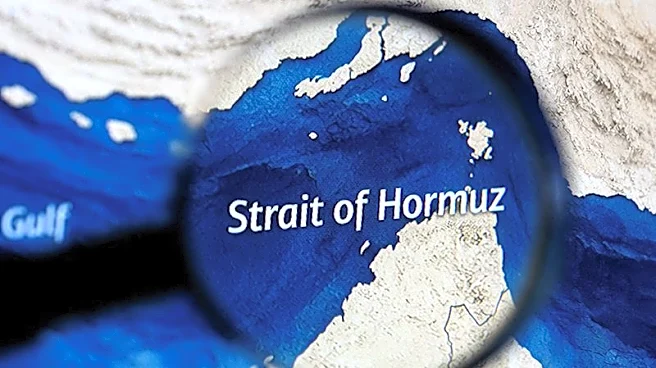
The ongoing conflict in the Middle East has led to significant disruptions in global commodity markets, particularly affecting aluminum and copper. The International Energy Agency, International Monetary Fund, and World Bank have noted the severe energy
shock resulting from the conflict, which has caused volatility in oil and commodity markets. Aluminum markets are experiencing immediate supply shortages due to missile and drone strikes on major producers in the region, leading to a sharp increase in prices. In contrast, copper markets face a potential surplus due to a demand-driven risk, as rising oil prices could slow global economic growth and reduce industrial demand for copper.
Why It's Important?
The divergence in the aluminum and copper markets underscores the complex economic impacts of geopolitical conflicts. The supply shortages in aluminum could lead to increased costs for industries reliant on this metal, affecting sectors such as automotive and construction. The potential surplus in copper, driven by reduced demand, could impact mining companies and economies dependent on copper exports. The situation highlights the interconnectedness of global markets and the ripple effects of regional conflicts on international trade and economic stability.
What's Next?
Monitoring the ongoing conflict and its impact on commodity markets will be crucial for businesses and policymakers. Companies in affected industries may need to adjust their supply chains and pricing strategies to mitigate the impact of rising costs and potential shortages. Policymakers may need to consider measures to stabilize markets and support affected economies, particularly those heavily reliant on commodity exports. The situation also calls for increased international cooperation to address the broader economic and humanitarian impacts of the conflict.