
What's Happening?
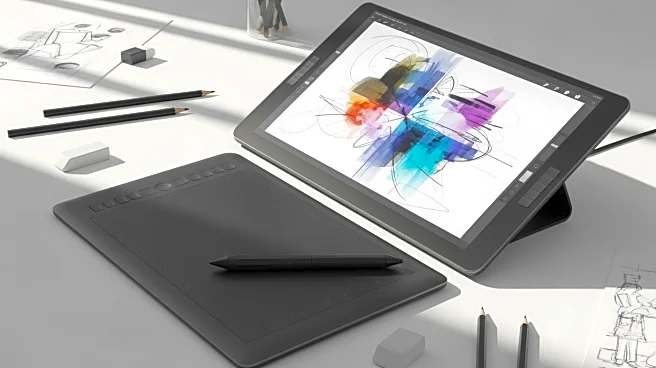
Generative AI has become a contentious topic in the video game industry, particularly among concept artists. While some companies, like Larian Studios, have integrated AI tools for tasks such as exploring new game ideas and creating placeholder text, many artists argue that AI complicates their workflow. Paul Scott Canavan, a concept artist with experience on projects like Destiny 2 and Netflix's The Witcher, expressed frustration over clients using AI to generate preliminary designs, which they then ask artists to replicate. This practice, according to Canavan, undermines the creative process and makes the job more challenging. Similarly, Kim Hu, lead artist on Rollerdrome, noted that AI-generated images limit creative discovery, as they often
provide exactly what is requested, stifling the exploration of new ideas. Another senior concept artist, who chose to remain anonymous, highlighted the additional burden of reverse-engineering AI-generated references to create usable design packages for 3D artists.
Why It's Important?
The integration of generative AI in the video game industry has significant implications for creative professionals. While AI can streamline certain tasks, it also poses challenges to the traditional creative process, potentially leading to job dissatisfaction and a reduction in creative exploration. Artists like Canavan and Hu emphasize the importance of human creativity in concept art, which AI-generated designs can inadvertently stifle. This tension highlights a broader industry debate on the role of AI in creative fields, where the balance between efficiency and artistic integrity is increasingly scrutinized. As companies like Netflix and Microsoft invest heavily in AI, the potential for job displacement and changes in creative workflows becomes a critical concern for artists and industry stakeholders.
What's Next?
As the debate over AI's role in the video game industry continues, companies may need to reassess how they integrate AI tools into their creative processes. Artists and industry leaders might engage in discussions to establish guidelines that protect the creative integrity of concept art while leveraging AI's capabilities. Additionally, there could be increased advocacy for policies that ensure AI complements rather than replaces human creativity. The industry's response to these challenges will likely shape the future of video game development and the role of artists within it.
Beyond the Headlines
The ethical implications of AI in creative industries extend beyond immediate workflow challenges. The reliance on AI-generated designs raises questions about intellectual property rights and the originality of creative works. As AI tools become more prevalent, the industry may face legal challenges related to the ownership and authorship of AI-assisted creations. Furthermore, the cultural impact of AI on artistic expression and the potential homogenization of creative outputs are areas of concern that warrant further exploration.