



What's Happening?
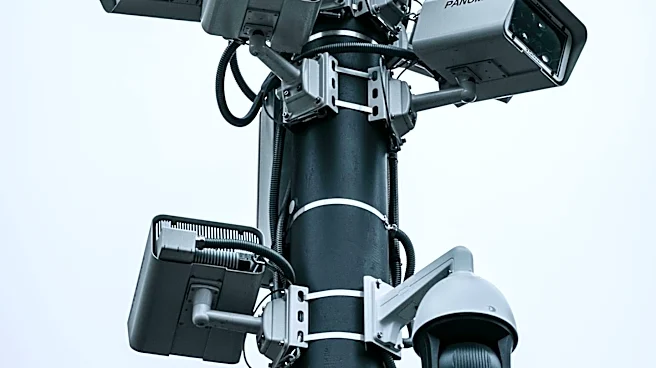
Artificial intelligence is increasingly being used in K-12 schools to enhance security by monitoring physical spaces and student movements. Beyond managing digital safety, AI tools are now employed to prevent fights, reduce vandalism, and efficiently
locate students during emergencies. These technologies offer real-time crisis response and early intervention capabilities. However, the use of AI in schools raises privacy concerns, as most education privacy laws were not designed for real-time location tracking or biometric identification. The ethical implications of tracking students' physical presence in schools, where attendance is mandatory, require careful consideration.
Why It's Important?
The integration of AI in school security systems represents a significant advancement in ensuring student safety. By providing real-time data and insights, AI can help schools respond more effectively to potential threats and incidents. However, the use of AI also poses privacy and ethical challenges, as it involves tracking students' movements and behaviors. Schools must balance the benefits of enhanced security with the need to protect students' privacy and rights. The development of clear guidelines and frameworks for AI use in schools is essential to address these concerns and ensure responsible implementation.
Beyond the Headlines
The deployment of AI in schools highlights the broader trend of using technology to enhance safety and efficiency in educational environments. While AI offers potential benefits, it also raises questions about surveillance and the normalization of monitoring in schools. The ethical considerations surrounding AI use in education are complex, as students do not have the same agency as adults in choosing their environments. The edtech industry must navigate these challenges carefully, ensuring that AI applications genuinely enhance safety without compromising students' privacy or autonomy.