


What's Happening?
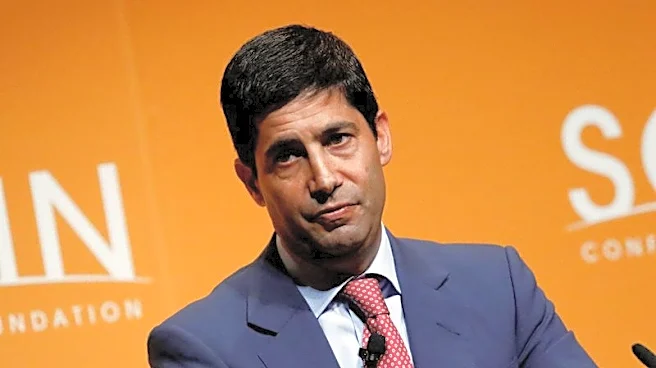
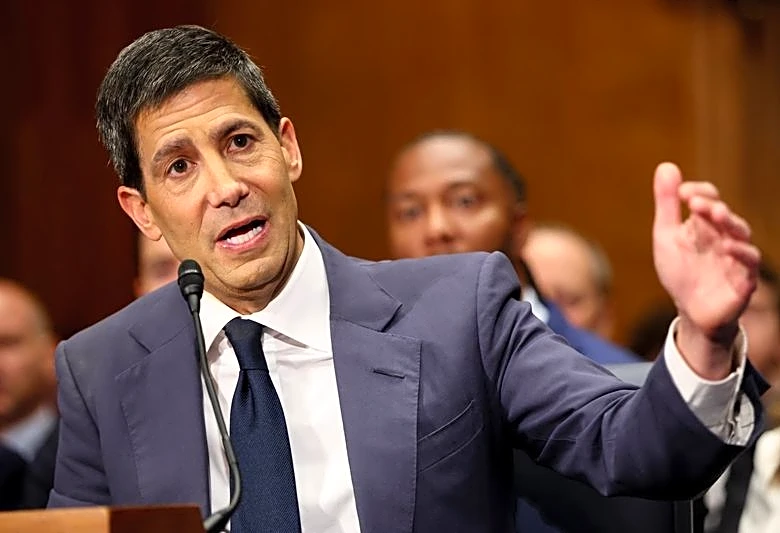
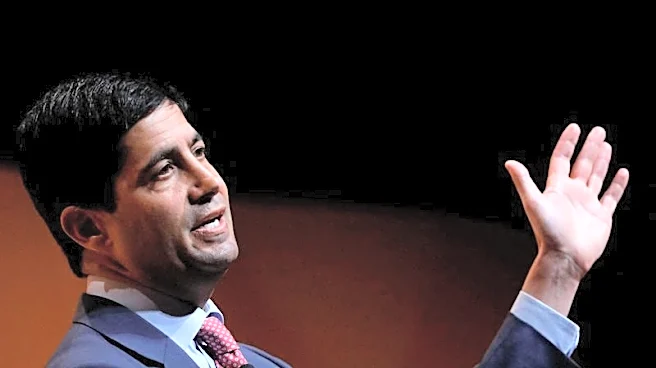
Kevin Warsh, nominated by President Trump for Federal Reserve Chair, faced intense questioning during his Senate Banking Committee confirmation hearing. Senator Elizabeth Warren challenged Warsh on his independence from the Trump administration, particularly
regarding the president's calls for lower interest rates. Warsh, a former Federal Reserve governor, emphasized his commitment to maintaining the Fed's independence, despite the administration's history of pressuring the central bank. The hearing also touched on Warsh's personal finances and his ties to the White House, with Democrats expressing concerns about potential conflicts of interest.
Why It's Important?
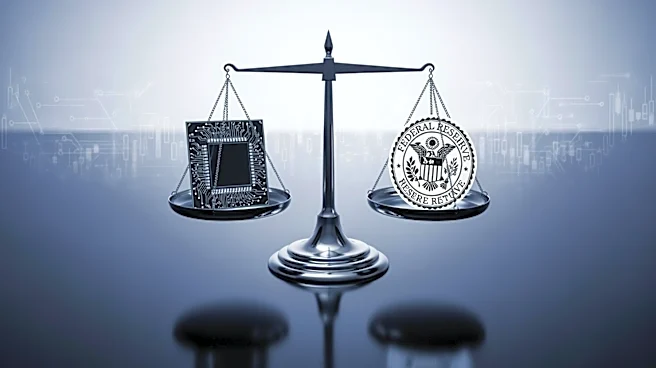
The confirmation of a new Federal Reserve Chair is critical for the U.S. economy, as the Fed's policies influence interest rates, inflation, and overall economic stability. Warsh's nomination comes at a time when the Fed's independence is under scrutiny, with President Trump having previously criticized the central bank's decisions. The outcome of Warsh's confirmation could impact the Fed's future policy direction and its ability to operate free from political influence. This hearing also highlights broader concerns about the administration's approach to economic governance and the potential implications for financial markets.
What's Next?
The Senate Banking Committee will continue to evaluate Warsh's qualifications and his stance on key monetary policy issues. The confirmation process will likely involve further scrutiny of his financial disclosures and his ability to maintain the Fed's independence. If confirmed, Warsh will need to navigate the complex relationship between the Fed and the White House, balancing the administration's economic goals with the central bank's mandate to ensure economic stability. The decision will be closely watched by financial markets and policymakers, as it could signal shifts in U.S. monetary policy.