
What's Happening?
Mark Zandi, a top economist at Moody's, has expressed concerns about the current state of the U.S. economy, highlighting a significant disconnect between the soaring stock market and underlying economic
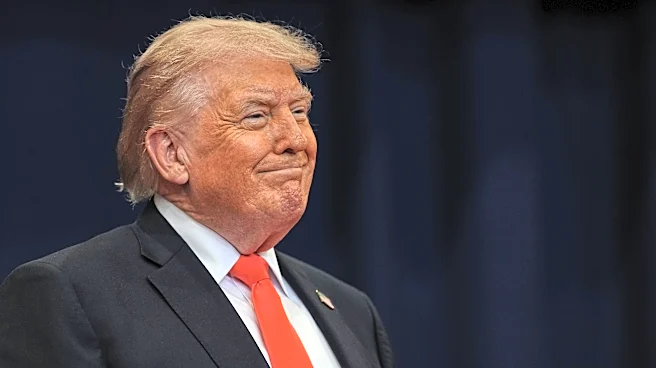
realities. Despite the S&P 500 reaching record highs, Zandi points out that this surge is largely driven by speculative enthusiasm around artificial intelligence stocks, which now account for a substantial portion of the market's capitalization. He warns that this enthusiasm is detached from broader economic conditions, including ongoing geopolitical tensions such as the Iran war. Zandi also notes that the U.S. economy is facing vulnerabilities in the labor and housing markets, with his firm's model predicting a 40% chance of a recession within the next year. He suggests that President Trump may intervene to stabilize the markets if they begin to falter, a strategy referred to as the 'Trump put.'
Why It's Important?
The concerns raised by Mark Zandi underscore the precarious balance between market performance and economic fundamentals. The stock market's current highs, driven by AI-related stocks, may not reflect the true state of the economy, which is grappling with potential recessionary pressures. This situation poses risks for investors who may be overly optimistic about market stability. Additionally, the potential for President Trump to intervene in market dynamics highlights the influence of political decisions on economic outcomes. If the economy does enter a recession, it could have widespread implications for employment, consumer spending, and overall economic growth, affecting various stakeholders from businesses to individual consumers.
What's Next?
Looking ahead, the U.S. economy's trajectory will likely depend on several factors, including the resolution of geopolitical tensions and the performance of key economic sectors. Investors and policymakers will need to monitor these developments closely. If the predicted recession materializes, it could prompt further government intervention to support economic stability. Additionally, the speculative nature of the current stock market rally suggests that a correction could occur if investor sentiment shifts. Stakeholders will need to prepare for potential volatility and adjust their strategies accordingly.