
What's Happening?
Dietitians are advising consumers to avoid certain high-sugar beverages to improve overall health. According to experts like Stephani Johnson, D.C.N., R.D.N., from Rutgers University, and Jason Ewoldt,
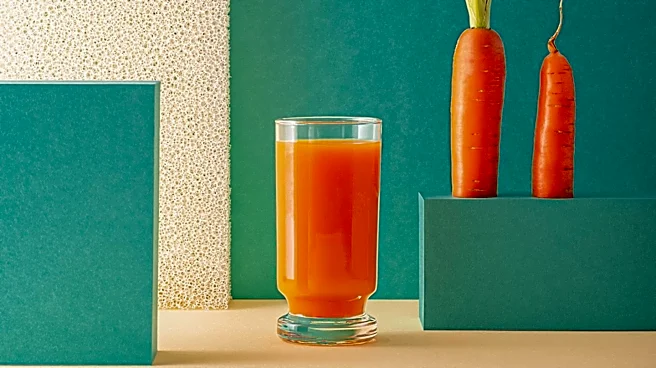
M.S., R.D.N., from the Mayo Clinic, drinks such as fruit juices, sweetened iced teas, sugary coffee drinks, sodas, and pre-mixed alcoholic beverages are significant sources of added sugars in the American diet. These beverages often contain high levels of sugar and calories, which can contribute to health issues like weight gain and metabolic disorders. The American Heart Association recommends limiting added sugar intake to 36 grams per day for men and 25 grams for women. Alternatives suggested include whole fruits, unsweetened teas, and homemade smoothies with less sugar.
Why It's Important?
The consumption of high-sugar beverages is a major contributor to the intake of added sugars in the American diet, which is linked to various health problems, including obesity, diabetes, and heart disease. By reducing the intake of these drinks, individuals can better manage their calorie and sugar consumption, leading to improved health outcomes. This shift is particularly important as dietary guidelines emphasize the need to limit added sugars to less than 10% of daily caloric intake. The advice from dietitians highlights the importance of making informed beverage choices to support a balanced diet and prevent chronic health conditions.
What's Next?
As awareness of the health impacts of sugary beverages grows, consumers may increasingly seek healthier alternatives. This could lead to a rise in demand for products like unsweetened plant-based milks, homemade smoothies, and beverages sweetened with natural alternatives like stevia. The beverage industry may respond by expanding their offerings of low-sugar and sugar-free options to meet consumer demand. Additionally, public health campaigns and policy measures could further encourage the reduction of sugar consumption, potentially influencing industry practices and consumer habits.