





What's Happening?
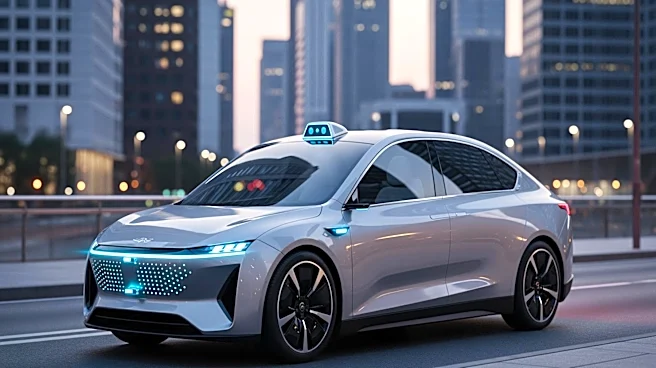
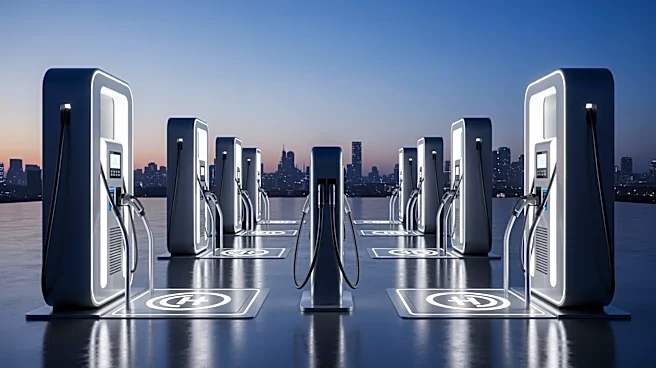
Tesla Inc. has filed an application to build a charging hub with 56 stalls for its autonomous robotaxi fleet in San Antonio, Texas. The facility, located at 245 W. Josephine St., will serve Tesla's private ride-hailing fleet and will not be open to the
general public. This move is part of Tesla's broader strategy to expand its robotaxi service and increase the adoption of its self-driving software. The company has already launched its ride-hailing fleet in Austin and expanded to Dallas and Houston. Despite Tesla's ambitions, its robotaxi service currently lags behind industry leader Waymo in terms of fleet size and operational area.
Why It's Important?
Tesla's initiative to establish a dedicated charging hub for robotaxis in San Antonio represents a significant step in the evolution of autonomous vehicle services. This development could accelerate the adoption of self-driving technology and reshape urban transportation infrastructure. The expansion of Tesla's robotaxi service may also influence regulatory frameworks and competitive dynamics within the autonomous vehicle industry. As Tesla continues to innovate, it could potentially disrupt traditional ride-hailing services and create new economic opportunities in the region.
What's Next?
Tesla's proposal for the San Antonio charging hub is pending approval, and the company may face regulatory scrutiny as it seeks to expand its robotaxi operations. The success of this initiative could lead to further expansion of Tesla's autonomous fleet across other U.S. cities. Additionally, the development may prompt responses from competitors like Waymo, which could accelerate advancements in autonomous vehicle technology and service offerings.