



What's Happening?
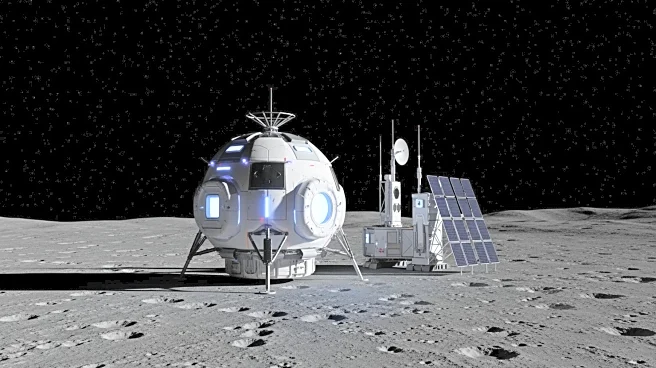
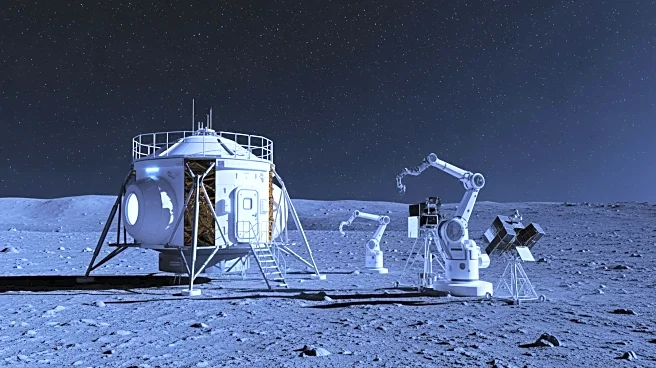
Japanese spacecraft startup ispace has announced a strategic shift in its operations, delaying a U.S.-sponsored lunar mission to 2030. This decision comes in the wake of two unsuccessful lunar landings, prompting the company to consolidate its moon lander
development efforts across its Japanese and U.S. units. Originally, the NASA-commissioned launch was scheduled for 2027. The company plans to launch five lunar orbiters by the end of the decade, but faces financial challenges that may require additional equity financing. CFO Jumpei Nozaki indicated that these changes are part of a broader strategy to streamline operations and manage costs effectively.
Why It's Important?
The delay in ispace's lunar mission highlights the challenges faced by private companies in the space exploration sector, particularly in achieving successful landings and managing financial constraints. This development could impact the timeline and collaboration dynamics between private space companies and government agencies like NASA. The need for additional equity financing underscores the financial pressures in the space industry, which could influence investment strategies and partnerships. The consolidation of operations may also affect employment and innovation within the company, potentially influencing the broader space technology landscape.
What's Next?
Ispace's decision to delay the lunar mission and consolidate operations suggests a period of restructuring and strategic planning. The company may seek new investors or partners to secure the necessary funding for its ambitious plans. Additionally, the focus on launching lunar orbiters by the end of the decade indicates a shift in priorities that could lead to new technological developments and collaborations. Stakeholders, including NASA and potential investors, will likely monitor ispace's progress closely to assess the viability and impact of its revised strategy.