



What's Happening?
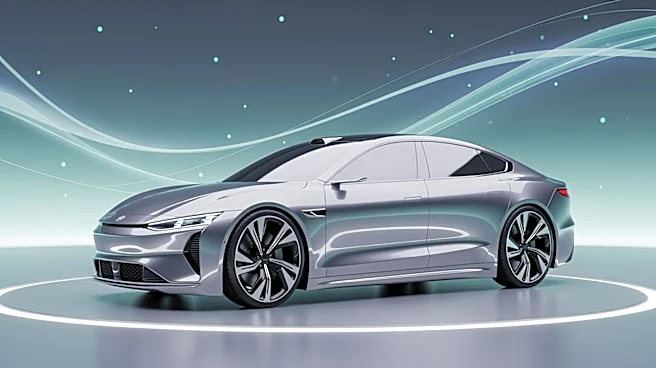
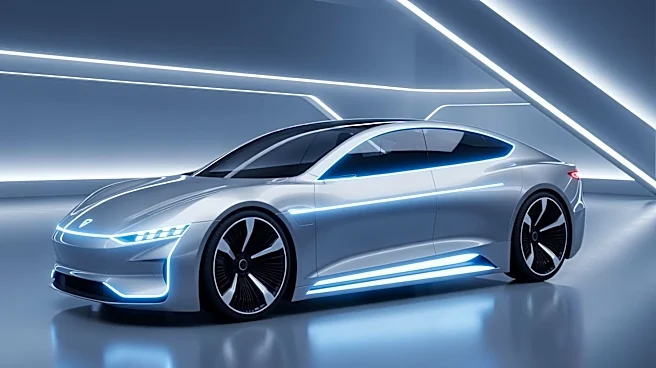
Hyundai has introduced the Ioniq V, a new electric sedan, at the 2026 Beijing Motor Show. This model marks Hyundai's first dedicated Ioniq vehicle for the Chinese market, diverging from its global EV lineup. The Ioniq V, which closely resembles the Venus
concept, features a distinctive design with a sloping roofline and frameless doors. It is built on a dedicated electric platform, allowing for an extended wheelbase compared to traditional combustion-engine sedans. The interior is equipped with a 27-inch, 4K-resolution touchscreen, replacing most physical controls. Hyundai has not disclosed full technical specifications but claims the long-range version will offer over 373 miles of range based on China's CLTC test cycle. The Ioniq V is part of Hyundai's strategy to launch 20 new models in China over the next five years, aiming to sell 500,000 units annually by 2031.
Why It's Important?
The launch of the Ioniq V is significant as it represents Hyundai's strategic push into the Chinese electric vehicle market, which is highly competitive and rapidly growing. By introducing a model specifically designed for China, Hyundai aims to strengthen its position against domestic manufacturers who are known for launching new products with competitive specifications and pricing. The investment in new models, including the Ioniq V, is part of a broader effort by Hyundai and its local partner BAIC to capture a larger share of the Chinese market. This move could influence Hyundai's global strategy, as success in China may lead to further innovations and adaptations in other markets. The focus on electric vehicles aligns with global trends towards sustainable transportation, potentially impacting Hyundai's brand perception and market share worldwide.
What's Next?
Hyundai plans to follow the Ioniq V with an SUV based on the Earth concept in the first half of next year. The company is also developing models in the midsize and large segments, some of which will feature range-extending combustion engines. These efforts are part of Hyundai's goal to launch 20 new models in China over the next five years. The success of these models will be crucial for Hyundai to achieve its target of selling 500,000 units annually by 2031. The company's ability to compete with local Chinese manufacturers will depend on its capacity to offer innovative and cost-effective solutions. Hyundai's continued investment in the Chinese market may also lead to collaborations or partnerships that could further enhance its competitive edge.