







What's Happening?
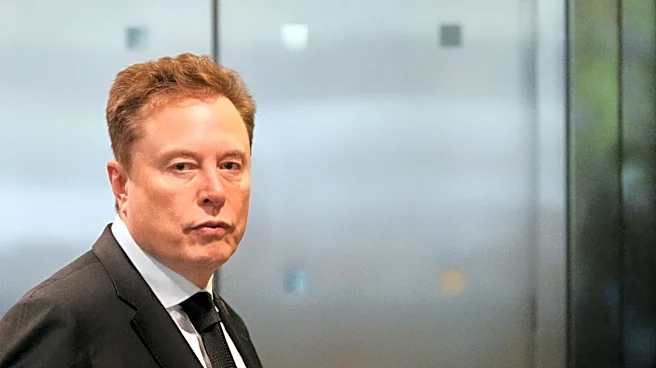
Elon Musk's lawsuit against Sam Altman, CEO of OpenAI, concluded with a courtroom defeat for Musk. The trial, which took place in Oakland, centered on Musk's allegations that OpenAI violated its founding principles by seeking profits, contrary to its original
nonprofit status. Musk sought over $150 billion in damages, claiming that OpenAI's actions compromised AI safety. However, the jury found that Musk's lawsuit was filed outside the statute of limitations, leading to a verdict in favor of Altman and OpenAI. Despite the legal victory, the trial exposed internal tensions and unflattering details about OpenAI's corporate culture.
Why It's Important?
The trial's outcome is significant for the AI industry, as it underscores the challenges of balancing profit motives with ethical considerations in AI development. Musk's defeat may deter similar legal actions against tech companies transitioning from nonprofit to for-profit models. The case also highlights the complexities of AI governance and the importance of maintaining transparency and accountability in tech organizations. For OpenAI, the verdict allows it to continue its operations without the immediate threat of legal repercussions, although it may still face scrutiny over its business practices and adherence to its founding mission.
What's Next?
Following the trial, OpenAI may need to address the reputational impact of the lawsuit and work to rebuild trust with stakeholders. The company could focus on reinforcing its commitment to ethical AI development and improving its corporate governance. Meanwhile, Musk may consider appealing the decision or pursuing other legal avenues. The trial's revelations could prompt broader discussions within the tech industry about the ethical implications of AI commercialization and the role of profit in shaping AI research and development. Stakeholders will be watching for any further legal developments or strategic shifts from both OpenAI and Musk.