


What's Happening?
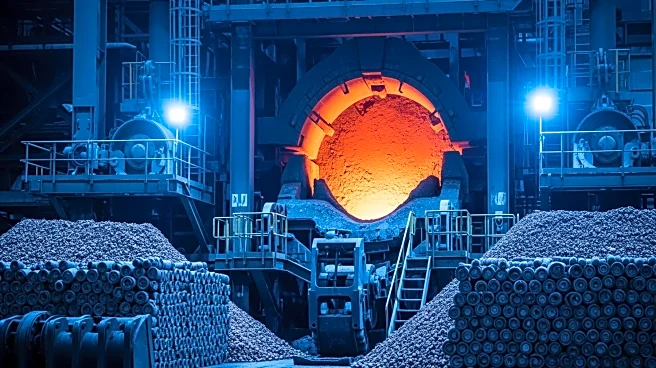
Earth-i's SAVANT Global Copper Monitoring Index has reported that 14.3% of global smelting capacity was inactive in January, marking the highest level of inactivity since the index began nearly a decade ago. This represents a 2.5% decrease in activity from December 2025. The inactivity is notably higher than the three-year average, with a significant portion of the underperformance attributed to regions outside China. In China, only 7.5% of capacity was inactive, whereas the rest of the world saw a much higher rate, contributing to a global decrease in active tonnage by over 1.2 million tonnes compared to the previous year. The Asia and Oceania region, in particular, experienced a significant drop due to the closure of the Isabel Leyte plant
in the Philippines and temporary shutdowns of smelters in Indonesia following a mud rush incident at the Grasberg Mine.
Why It's Important?
The increase in inactive smelting capacity has significant implications for the global copper supply chain. Copper is a critical component in various industries, including construction, electronics, and renewable energy. The reduced smelting activity could lead to supply shortages, potentially driving up prices and affecting industries reliant on copper. The disparity in smelting activity between China and other regions highlights the global supply chain's vulnerability to regional disruptions. This situation underscores the importance of diversifying supply sources and enhancing resilience in the face of operational challenges.
What's Next?
The ongoing inactivity in smelting capacity may prompt stakeholders to seek alternative sources or increase investments in operational efficiency to mitigate supply chain disruptions. Companies may also explore technological advancements to enhance smelting processes and reduce dependency on specific regions. Additionally, the situation could lead to increased scrutiny of environmental and operational practices at smelting facilities, particularly in regions with higher inactivity rates.
Beyond the Headlines
The current situation may accelerate the adoption of sustainable practices and technologies in the smelting industry. As companies seek to improve efficiency and reduce environmental impact, there could be a shift towards more sustainable and innovative smelting techniques. This could also lead to increased collaboration between industry players and technology providers to develop solutions that address both operational and environmental challenges.