


What's Happening?
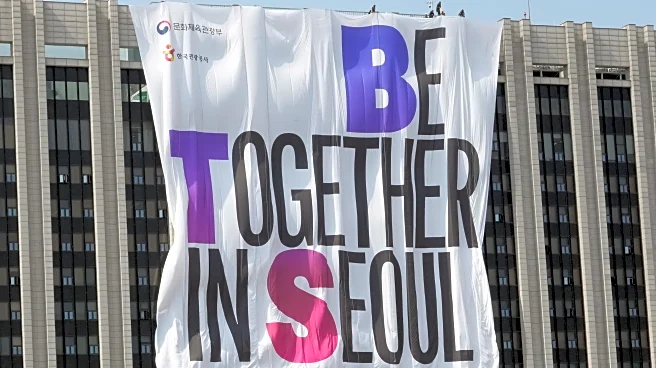
BTS, the globally renowned K-pop group, has made a significant return to the stage with a free public concert in Seoul, marking their first performance in nearly four years. The event, held at Gwanghwamun Square, attracted an estimated 260,000 fans, with only
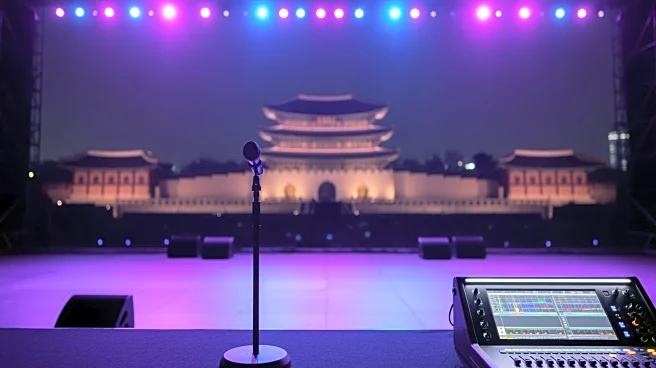
22,000 receiving 'Golden Tickets' for entry. This concert is part of a promotional tour for their new album 'Arirang,' which explores themes of personal identity and belonging. The concert featured a mix of new tracks and older hits, with elaborate stage designs and traditional Korean elements. The event was directed by Hamish Hamilton, known for his work on major entertainment events like the Super Bowl halftime show.
Why It's Important?
The return of BTS is a significant cultural event, not only for their fans but also for the broader K-pop industry. Their comeback is expected to generate substantial economic impact, with estimates suggesting it could rival major tours like Taylor Swift's 'Eras Tour.' The concert and new album are seen as opportunities to promote Korean culture globally, with BTS incorporating traditional elements like hanbok into their performances. This event also highlights the deep connection between BTS and their fanbase, known as ARMY, who play a crucial role in promoting the group. The concert's success underscores BTS's influence and the potential for K-pop to expand its global reach.
What's Next?
Following the concert, BTS is set to embark on a world tour covering 34 regions from April 2026 to March 2027. A documentary on their reunion and the concert will be available on Netflix, further expanding their global presence. The group's activities are expected to continue promoting Korean culture and influence, with potential impacts on tourism and international interest in K-pop. Observers will be watching how BTS's return affects the K-pop industry, especially as new groups emerge and the genre continues to evolve.
Beyond the Headlines
BTS's comeback is not just a musical event but a cultural phenomenon that reflects the growing global influence of K-pop. The group's ability to integrate traditional Korean culture into their performances highlights a trend of cultural rediscovery among young Koreans. This event also demonstrates the strategic use of soft power by South Korea, leveraging BTS's popularity to enhance the country's cultural standing. The concert's success may inspire other K-pop acts to incorporate similar cultural elements, potentially leading to a broader appreciation of Korean heritage worldwide.