




What's Happening?
The U.S. is advancing plans to establish a deep-sea mining industry following an executive order by President Trump. This initiative has led to increased investor interest and a surge in stock prices, with at least nine companies in discussions with the
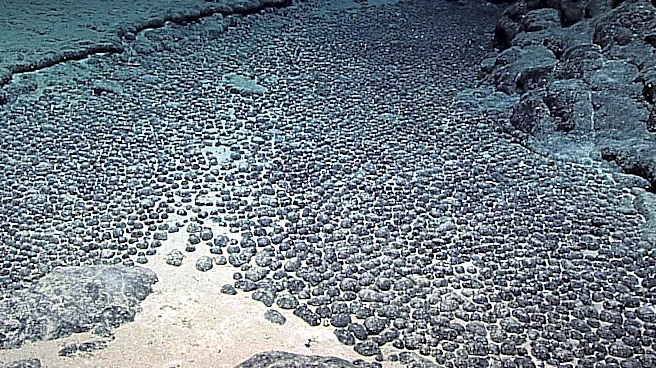
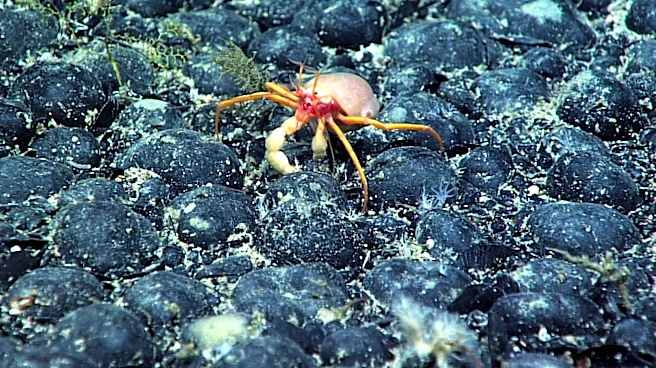
government for seabed mineral access. The minerals, including polymetallic nodules rich in manganese, copper, nickel, and cobalt, are found on the seafloor from American Samoa to Alaska. However, the industry faces skepticism due to the uncertain track records of involved companies and unresolved questions about mineral processing and refining.
Why It's Important?
The push for deep-sea mining in the U.S. is significant as it could position the country as a leader in this nascent industry, potentially reducing reliance on foreign mineral sources. However, the environmental impact of mining the seabed raises concerns among scientists and environmentalists. The economic viability of deep-sea mining is also questioned, given the availability of minerals on land and the high costs associated with underwater extraction. The outcome of this initiative could influence global mining practices and environmental policies, as well as impact the U.S.'s trade independence and economic strategy.
What's Next?
The U.S. government plans to auction sections of the seafloor for mining, with the first lease sale expected as early as August. Companies like The Metals Company are preparing to commence commercial mining operations, pending permit approvals. The industry will need to address environmental concerns and establish processing facilities, potentially relying on international partnerships. The development of this industry will be closely watched by environmental groups, policymakers, and investors, as it could set precedents for future deep-sea mining activities worldwide.