






What's Happening?
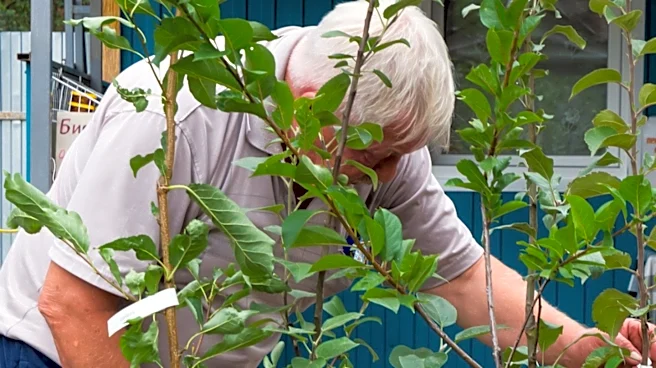
Lilacs, known for their vibrant spring blooms, require regular pruning to maintain their health and aesthetic appeal. According to Sharon Yiesla, a plant knowledge specialist at The Morton Arboretum, pruning should occur shortly after the lilacs finish
blooming. This timing is crucial as lilacs form their flower buds for the next year soon after blooming. Without regular pruning, lilacs can become overgrown, tangled, and susceptible to diseases like powdery mildew. The process involves removing dead wood and the oldest stems to allow air circulation and sunlight penetration, which are essential for the plant's health and bloom production. Pruning also helps control the plant's size and encourages more blooms at eye level.
Why It's Important?
Pruning lilacs is vital for both aesthetic and health reasons. Proper pruning ensures that the plant remains manageable and continues to produce abundant blooms. It also prevents the spread of diseases by improving air circulation within the plant. For gardeners and homeowners, maintaining healthy lilacs can enhance the visual appeal of their gardens and contribute to the overall biodiversity of their environment. Additionally, well-maintained lilacs can increase property value by adding to the landscape's beauty. The practice of regular pruning also educates gardeners on plant care, promoting sustainable gardening practices.
What's Next?
Gardeners are encouraged to adopt a routine of annual pruning to ensure their lilacs remain healthy and vibrant. This involves removing dead and old stems and managing the plant's height and spread. As lilacs are a popular choice for many gardens, continued education on proper pruning techniques can help gardeners maximize their plants' potential. The Morton Arboretum and similar institutions may offer workshops or resources to assist gardeners in learning these techniques. As awareness grows, more gardeners may adopt these practices, leading to healthier and more beautiful gardens.