









What's Happening?
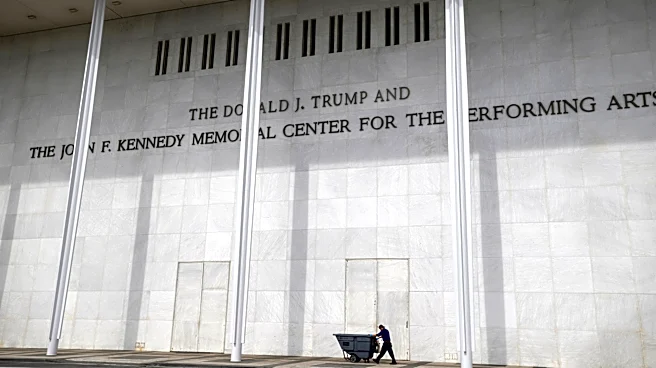
The Washington National Opera (WNO) has filed a lawsuit against the John F. Kennedy Center for the Performing Arts, seeking the return of over $17 million in donations. The opera company alleges that these funds, which were meant for its operations, have
been withheld since the two organizations ended their affiliation in January. The lawsuit also names the federal government as a defendant, given the Kennedy Center's establishment by Congress. The WNO claims that the Kennedy Center failed to fulfill its contractual obligations, which included marketing, fundraising, and administrative support, and has used a significant portion of the opera's funds to secure its own line of credit. In response, the Kennedy Center argues that the opera company has accumulated a $72 million deficit to the center over the years and plans to countersue, labeling the lawsuit as meritless.
Why It's Important?
This legal battle highlights significant financial and operational tensions between major cultural institutions in the U.S. The outcome of this lawsuit could impact how arts organizations manage their finances and partnerships, especially those involving federal entities. The Kennedy Center's financial practices and its relationship with affiliated organizations are under scrutiny, which could lead to changes in governance and financial oversight. The case also underscores the challenges faced by arts organizations in maintaining financial stability and transparency, potentially affecting donor confidence and future funding opportunities.
What's Next?
The lawsuit is expected to proceed through the courts, with both parties preparing for a legal showdown. The Kennedy Center's planned countersuit will likely focus on the alleged financial burden imposed by the opera company. The case could set a precedent for how similar disputes are handled in the arts sector, particularly those involving federal institutions. Stakeholders in the arts community will be closely monitoring the proceedings, as the outcome could influence future collaborations and financial agreements between cultural organizations.