




What's Happening?
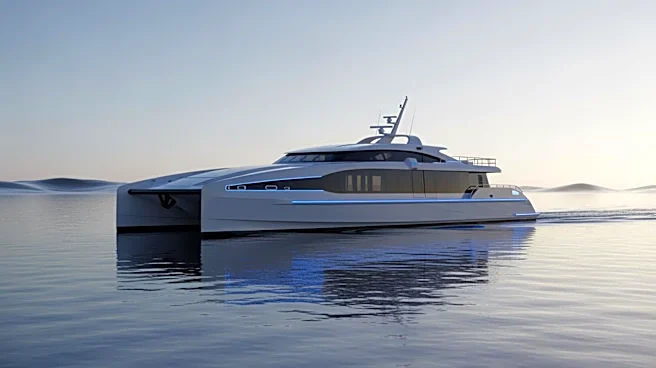
The debate over the best vessel architecture for ferry electrification is intensifying, with electric catamarans emerging as a strong contender against hydrofoils. While hydrofoils offer efficiency by reducing drag, catamarans provide a more practical
solution for many ferry routes. They offer significant reductions in drag without the operational constraints of hydrofoils, making them suitable for a wider range of conditions. This shift is evident in various electrification projects across Canada and other regions, where catamarans are being favored for their balance of efficiency and operational flexibility.
Why It's Important?
The choice between hydrofoils and catamarans has significant implications for the future of ferry electrification. Catamarans' ability to operate efficiently in diverse conditions makes them a more viable option for many routes, potentially accelerating the transition to electric ferries. This could lead to reduced emissions and operational costs, aligning with global sustainability goals. The trend towards catamarans also reflects a pragmatic approach to electrification, focusing on reliability and ease of integration into existing infrastructure.
What's Next?
As ferry operators continue to explore electrification options, the preference for catamarans is likely to grow. This could drive further innovation in battery technology and charging infrastructure, enhancing the feasibility of electric ferries. Regulatory support and investment in port infrastructure will be crucial to support this transition. The ongoing development of large-scale electric catamarans, such as those by Incat Tasmania, will serve as a benchmark for future projects.