
What's Happening?
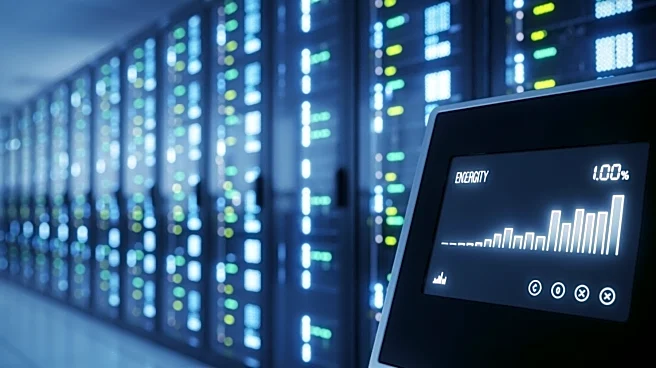
Bitcoin miners are increasingly transitioning to AI data centers as the cryptocurrency market experiences significant changes. Public Bitcoin miners have secured over $70 billion in AI and high-performance
computing contracts, moving away from their traditional reliance on mining revenue. This shift is marked by a substantial increase in mining stocks, which have outperformed Bitcoin itself in 2026. Companies like Hut 8, TeraWulf, and IREN have signed multi-billion-dollar contracts with major tech firms, indicating a strategic pivot towards AI infrastructure. This transformation is driven by the more stable and predictable revenue streams offered by AI contracts compared to the volatile nature of Bitcoin mining.
Why It's Important?
The transition of Bitcoin miners to AI data centers represents a significant industrial shift within the cryptocurrency sector. This move could impact Bitcoin's network security and market dynamics, as miners sell off Bitcoin reserves to fund their AI ventures. The shift also highlights the growing demand for AI infrastructure, which is reshaping the business models of companies traditionally focused on cryptocurrency mining. This change could lead to a more stable financial outlook for these companies, as they secure long-term contracts with creditworthy AI clients. However, it also introduces new risks, such as potential overbuilding of AI capacity and increased regulatory scrutiny.
What's Next?
As Bitcoin miners continue to pivot towards AI, the industry may see further consolidation and strategic partnerships with tech giants. The long-term leases and contracts signed by these companies suggest a permanent shift away from Bitcoin mining. This could lead to a decrease in Bitcoin's hashrate and increased selling pressure on the cryptocurrency market. Additionally, the success of this transition will depend on sustained demand for AI services and the ability of these companies to manage their new debt obligations. Regulatory challenges related to power usage and environmental impact may also arise as AI data centers expand.