







What's Happening?
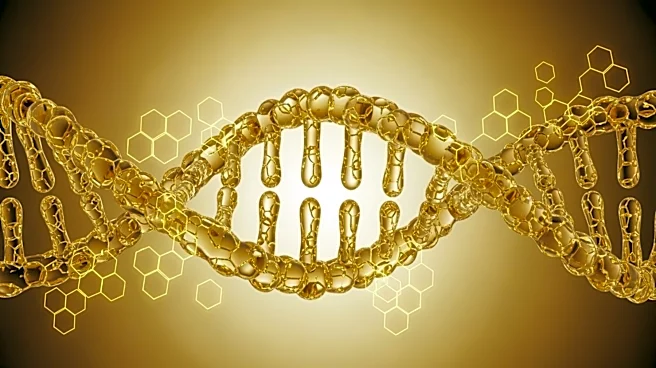
Recent advancements in Next Generation Sequencing (NGS) technology have been proposed as a method for authenticating honey. NGS allows for high-throughput parallel sequencing of DNA fragments, which can be applied in two ways: targeted sequencing (metabarcoding)
for species identification, and untargeted sequencing (whole genome sequencing) for a comprehensive overview of genetic material. These methods have been used to study honeybee products and associated microbiomes, but standardization for honey authentication remains a challenge. The complexity of honey, influenced by environmental factors and human activities, poses significant hurdles for DNA-based authentication. Efforts to validate NGS methods are ongoing, with the aim of establishing reliable techniques to detect food fraud in honey.
Why It's Important?
The global honey market faces threats from adulteration, which can undermine consumer trust and economic stability in the sector. NGS offers a promising solution for ensuring honey authenticity, potentially safeguarding the industry from fraudulent practices. By providing a scientific basis for authentication, NGS could enhance regulatory frameworks and consumer confidence. However, the effectiveness of these methods must be rigorously tested and compared with existing techniques to ensure reliability. Successful implementation of NGS-based authentication could lead to broader applications in food safety and quality control, benefiting producers and consumers alike.