
What's Happening?
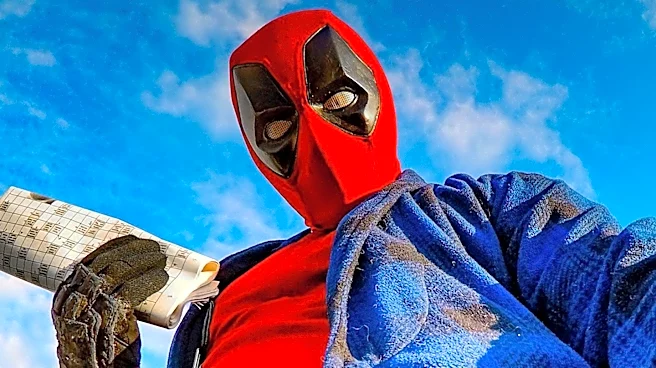
Recent events at a convention in Birmingham, England, have highlighted ongoing issues of harassment within the cosplay community. The convention, which included DreamHack, MegaCon, and the Arnold Sports
Festival, saw instances where cosplayers were filmed and photographed without their consent. This behavior has sparked discussions about the need for respect and consent in public spaces, especially at events where individuals are in costume. The phrase 'cosplay is not consent' has been reiterated by many in the community, emphasizing that being in costume does not give others the right to invade personal space or capture images without permission. The issue was further exacerbated by a streamer who filmed cosplayers without consent, asking them uncomfortable questions and disrupting group photos. This behavior has been condemned by attendees and community members alike, who stress the importance of creating a safe and respectful environment at such events.
Why It's Important?
The incidents at the convention underscore a broader societal issue regarding personal privacy and consent in public spaces. For the cosplay community, which often serves as a safe haven for self-expression and creativity, such invasions of privacy can be particularly damaging. The lack of consent in filming and photographing individuals without their permission not only violates personal boundaries but also detracts from the inclusive and welcoming atmosphere these events aim to foster. This situation highlights the need for greater awareness and respect for personal boundaries, not just within the cosplay community but in society at large. It also raises questions about the responsibilities of event organizers to ensure a safe environment for all participants.
What's Next?
Moving forward, there may be increased efforts within the cosplay community and event organizers to address these issues more proactively. This could include implementing clearer guidelines and policies regarding consent and privacy at conventions. Additionally, there may be a push for more education and awareness campaigns to inform attendees about the importance of respecting personal boundaries. The community's response to these incidents could lead to broader discussions about privacy rights and the ethical implications of filming and photographing individuals in public spaces without their consent.
Beyond the Headlines
The situation also reflects a cultural shift towards greater recognition of individual rights and the importance of consent in all interactions. As society becomes more aware of these issues, there may be a growing expectation for individuals to seek permission before capturing images or videos of others, even in public settings. This could lead to changes in social norms and behaviors, promoting a more respectful and considerate approach to personal interactions. The cosplay community's advocacy for consent may serve as a model for other groups facing similar challenges, highlighting the power of collective action in driving social change.